

As the distorting impact of the Covid-19 pandemic fades, we can start to see more clearly how it changed the museum landscape, and how the near-complete drops in museum attendance in 2020 have obscured deeper trends.
The Art Newspaper’s annual visitor-numbers survey compiles figures from art museums around the world for the preceding calendar year. Our data for 2025 shows that, on the whole, art museums are as popular as they have ever been, with many of the biggest museums continuing to welcome millions every year. More than 200 million visits were made to the top 100 museums in our list—still a little off the 230 million recorded in 2019, but a long way from the 54 million in 2020.
A raft of new museums have opened in the last few years to great success—not just in the Middle East and East Asia, where demand seems almost unlimited, but also in highly museum-dense cities like London and New York. However, the growth is not spread evenly, with some museums that used to dominate our list still struggling to get back to their pre-Covid glory days.
United Kingdom
For the last few years we have been reporting the same two things about London’s National Gallery. First, it had the ignominious position of being the institution that had lost the most visitors in absolute terms from its pre-Covid high—almost 3 million of them. Secondly, we expected numbers to jump after it reopened its Sainsbury Wing in May of last year. With a redesigned entrance to more easily accommodate security checks and spectacular rehung galleries packed with everything from Leonardos to Van Goghs, would visitor numbers get back to normal?
The answer, sadly, is not quite. Numbers have gone up since the re-
opening, and the museum finished up on nearly 4.2 million for 2025. That is about 30% up on the previous year, but still 30% down on 2019. Looking at individual months, as reported by the UK’s cultural ministry, we can see that even after the opening, numbers were still on average 15% down on 2019. If those volumes continue into 2026, we can expect the National Gallery to achieve around 4.9 million visitors—still not to be sniffed at, and putting it firmly in the top ten worldwide, but somewhat off its days of getting 6 million-plus visitors.
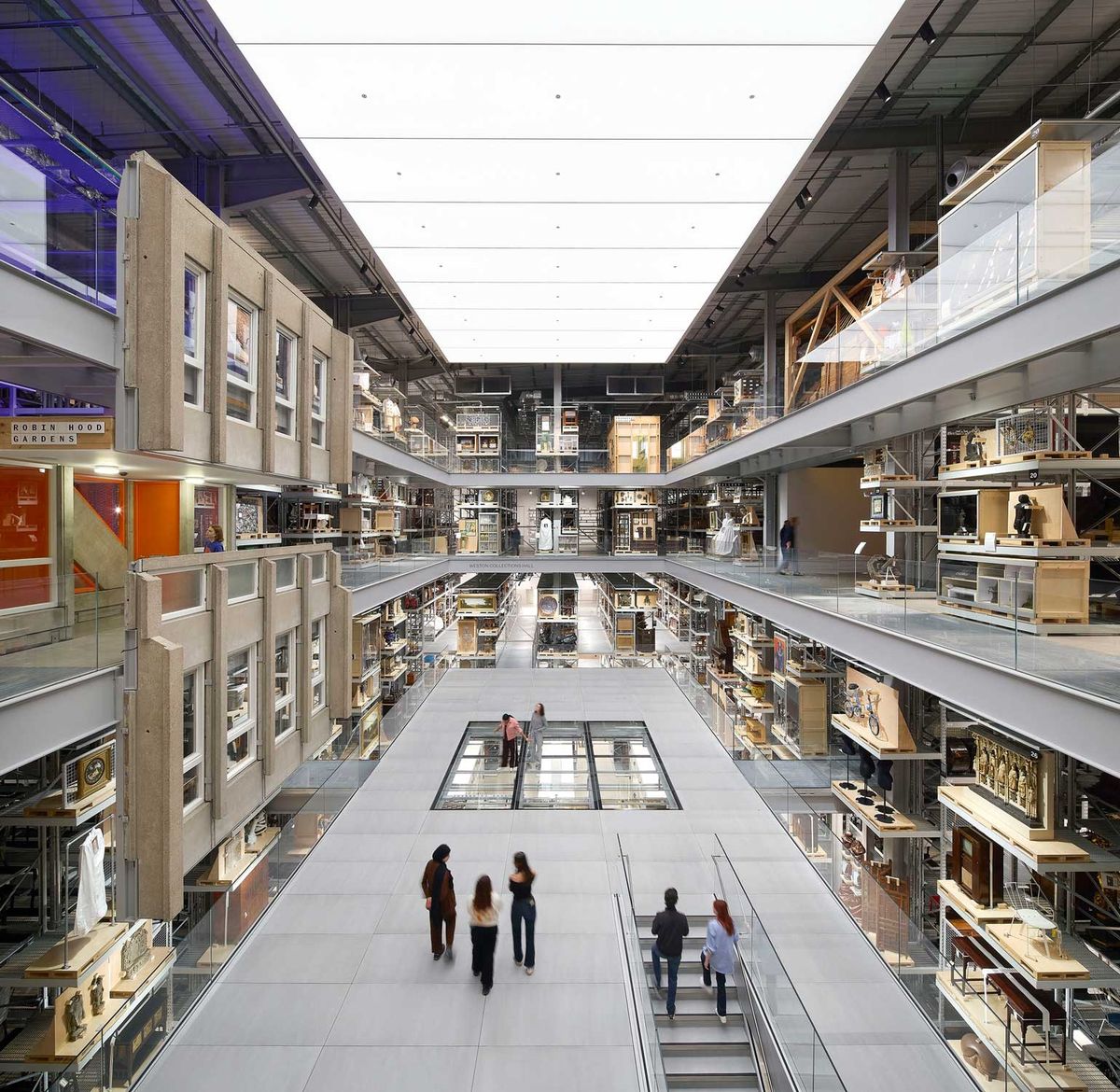
That, of course, assumes we are not seeing a bump from aficionados eager to see the new galleries. The neighbouring National Portrait Gallery saw exactly that when it reopened in summer 2023, but numbers are now back at pre-Covid levels, with 1.5 million last year. Across town, the new V&A East Storehouse also got off to a good start, attracting an average of nearly 60,000 visitors per month, slightly more than Young V&A and the Wallace Collection and similar to the Imperial War Museum London. It beat its annual target in just five months, says a museum spokesperson. Even if this drops off, it bodes well for the nearby V&A East, which opens this year.
Madrid’s Prado broke the 3.5 million barrier for the first time
While museum directors sometimes dismiss visitor numbers as a poor measure of an institution’s success, they do have an undeniable effect on finances. The National Gallery announced in February it would have to make staff redundant in order to fill a £8.2m deficit, citing “the present global landscape with the cost-of-living crisis”. Over at Tate, whose museums have also been struggling since Covid—with Tate Modern still 26% down on 2019, Tate Britain 36% down, Tate St Ives 19% down and Tate Liverpool closed for renovation—a round of redundancies cut 7% of the workforce last year.
But the pain is not spread equally in the UK museum sector. The British Museum had another strong year, with 6.4 million visitors, similar to last year and up on 2019. And London’s Natural History Museum (not included in our survey) achieved 7.1 million, a record year. The main Oxbridge museums, the Ashmolean and the Fitzwilliam, were up 16% and 38% on 2019, respectively, while the Birmingham Museum and Art Gallery fully reopened after five years of closures, achieving 672,000 visitors, slightly up on 2019.
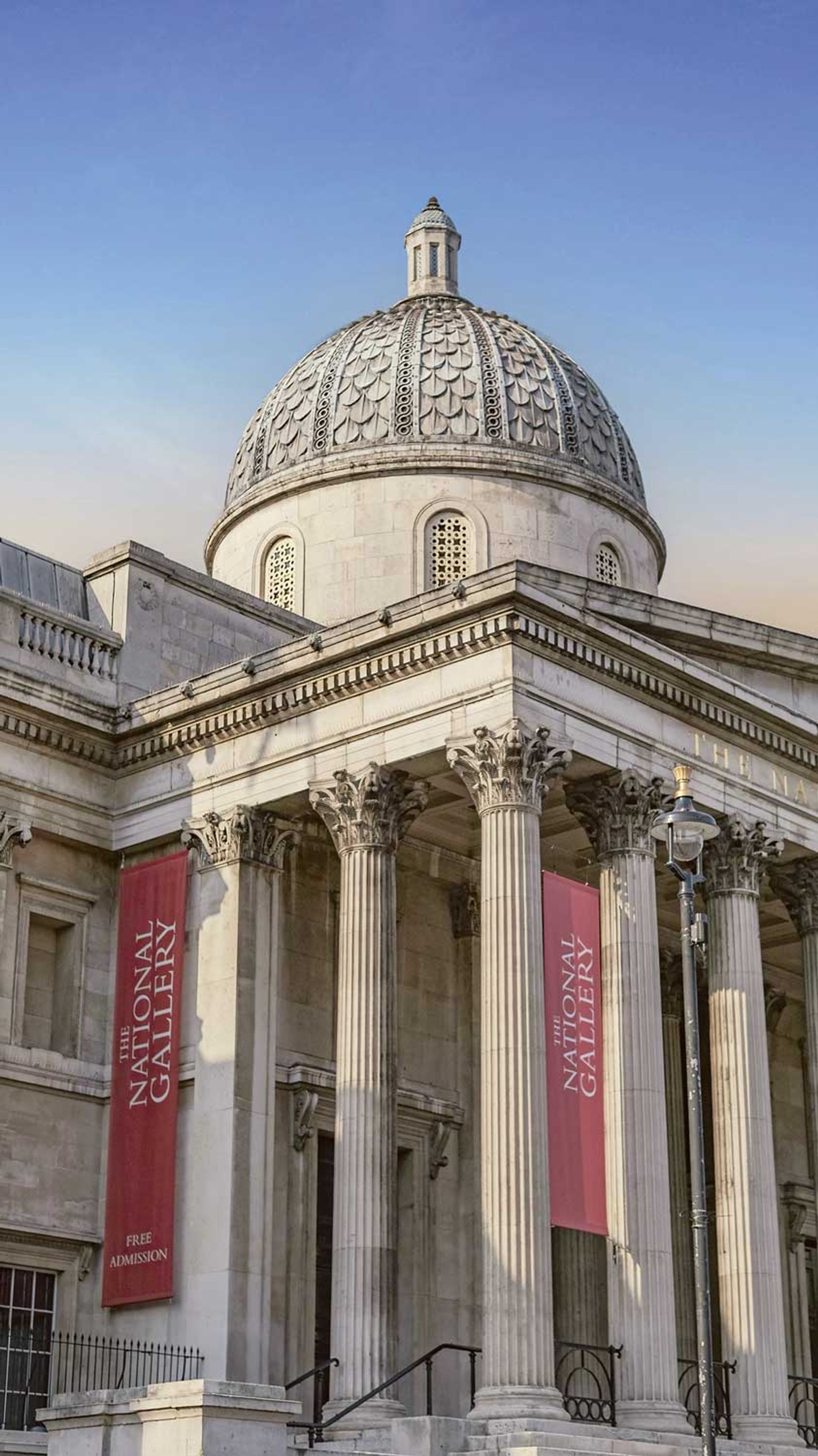
Despite the opening of the renovated Sainsbury Wing last May, the National Gallery’s visitor numbers are still down on its numbers in 2019, before the Covid-19 shutdown Photo: John Kuriakose
What is the reason for the divergence? In 2024, Tate shared internal data with The Art Newspaper that showed it had recovered 95% of domestic visitors but only 61% of international visitors. The museum attributed this to the effects of Brexit, reporting that visitors aged 16-24 from the EU had nearly halved, and arguing that this demographic shift hit art museums, especially contemporary art museums, the hardest. In contrast, the British Museum reported that its international visitor numbers had almost fully recovered. The government tourism agency Visit Britain estimates that total inbound tourism to the UK in 2025 was higher than in 2019, and EU visitors were up 4% on 2024.
Europe
It was a relatively uneventful year for museum attendance in mainland Europe. Most of the big museums, especially in France, Spain and Italy, have long recovered any Covid-related falls and are now marching steadily forwards, clocking around the same number of visitors year
after year.
One museum that did see a small rise was the Prado in Madrid, which broke the 3.5-million barrier for the first time. But rather than celebrating the record, director Miguel Falomir was circumspect, telling the press in January: “The Prado doesn’t need a single visitor more. We feel comfortable with 3.5 million. A museum’s success can collapse it, like the Louvre, with some rooms becoming oversaturated. The important thing is not to collapse.”
The Musée du Louvre, of course, has been complaining about overattendance for a while and, this year, had to contend with theft, ticket fraud and the resignation of its director to boot. None of that has stopped it keeping its place on top of our survey, however. The Louvre actually gained visitors from the previous year, counting more than 9 million people in 2025.
Elsewhere in Paris, the Museé d’Orsay held firm on 3.8 million. Centre Pompidou closed in September for refurbishment—many of its shows will be held instead at the Grand Palais, while the Musée de l’Orangerie had a short closure, resulting in a small fall to its figures. In Spain, two of the Reina Sofia’s venues were closed in 2025, but the main museum in central Madrid rose slightly to 1.6 million. Italy’s biggest museums continued to pack them in—the Vatican Museums with 6.9 million and the Uffizi with 5.3 million over its three interconnected sites in Florence (The Uffizi was unable to provide a figure for individual sites, thus has been excluded from our table).
The picture in northern Europe was slightly more mixed. An Anselm Kiefer exhibition shared between Amsterdam’s Stedelijk and Van Gogh Museums was an unexpected hit, drawing 340,000 visits in total and helping to boost overall attendance to 675,000 and 1.9 million, respectively. The Rijksmuseum was slightly down, however—2.3 million from 2.5 million in 2024. In Oslo, the newish Munch Museum got 775,000 visitors and reported an increase in international visitors and young adults, which it put down to increased marketing efforts.
In Berlin the state museums increased their ticket prices in October 2025, along with starting to charge for parts of the Humboldt Forum that were previously free. This is likely to have weighed on visits to the Humboldt Forum, which reported 634,000 entries, 13% down on last year. The Neue Nationalgalerie was up 8%, though, to 608,000.
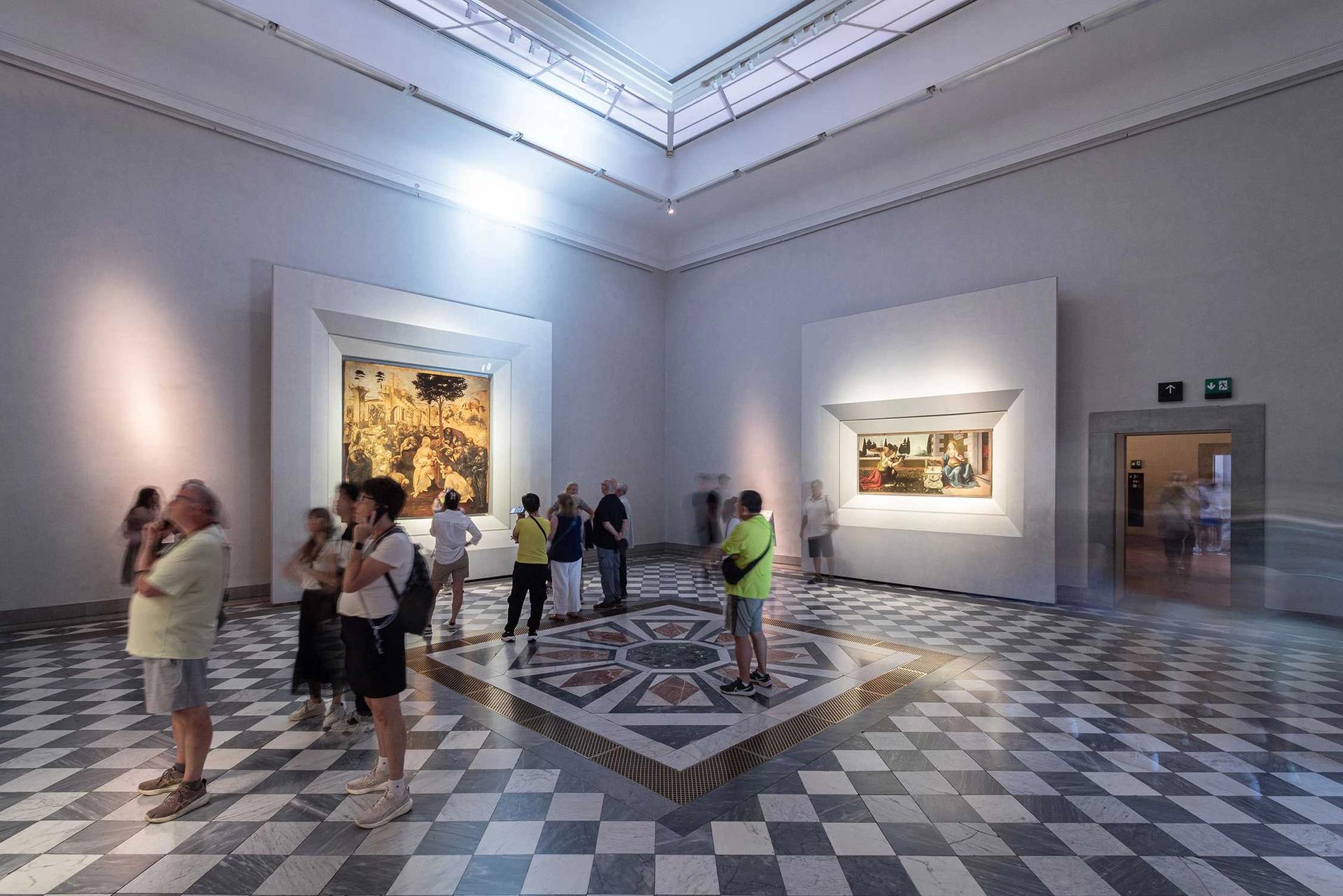
Italy’s big museums are still drawing crowds—the Uffizi’s three sites in Florence saw 5.3 million visitors in 2025 Courtesy the museum
As last year, Russia’s big museums seem relatively unaffected by the ongoing war in Ukraine—indeed, the State Russian Museum in St Petersburg has more than doubled its attendance since 2019, with more than 5 million visits this year. That is more than the nearby Hermitage (3.8 million) or the Tretyakov in Moscow (3.1 million)—although both of those grew in 2025.
Asia, Middle East and Australia
The most dramatic visitor growth can be seen once again in East Asia. After the Shanghai Museum East debuted in 2024 with 4.2 million visitors, despite not being fully open, it did even better in 2025 with 4.6 million. The original branch in People’s Square brought in 2.4 million visitors of its own, and the blockbuster exhibition On Top of the Pyramid: The Civilisation of Ancient Egypt closed with an extraordinary 2.8 million visitors across its 13-month run. In Hong Kong, M+ and the Hong Kong Palace Museum maintained their visitor numbers from last year—2.6 million and 940,000, respectively. Unfortunately, numbers for China’s thousands of state-run museums are not released in time for The Art Newspaper’s annual report: if they were, it should be noted that several would make it into the top ten: the National Museum of China reported just under 7 million in 2024.
Japan, a more mature market with older museums, saw rises and falls: the Tokyo National Museum was up slightly to 2.6 million, while an exhibition of Monet’s water lilies at the National Museum of Western Art in the capital got 808,000 visits, helping overall numbers to rise 20% to 1.7 million. Tokyo Metropolitan Art Museum, meanwhile, saw a 14% fall from the previous year to 1.7 million.
The most spectacular rise, however, was seen in Korea. The National Museum of Korea’s main venue in Seoul boomed by more than 70%, from 3.8 million in 2024 to 6.5 million in 2025. That is one of the largest rises in absolute numbers we have ever seen (see page 7). Branches of the National Museum in Jinju, Gyeongju, Cheong-ju, Buyeo and Iksan also saw significant rises. Meanwhile, MMCA Seoul was up 28% to 2.1 million. It seems the worldwide fervour for Korean culture is translating into museum visits from both locals and foreigners.
The Australian art-museum scene is competitive and slightly complex. The big three museums—the Art Gallery of New South Wales (AGNSW) in Sydney, the National Gallery of Victoria (NGV) in Melbourne and the Queensland Art Gallery/Gallery of Modern Art (QAGOMA) in Brisbane—are all split into two buildings. At AGNSW they are immediately adjacent, at QAGOMA they are a few hundred metres apart, and at NGV separated by a river.
Combining the figures, NGV takes the lead: it achieved 3 million visitors last year, up 7.8% on 2024, and a few thousand more than in 2019. The NGV’s Yayoi Kusama exhibition sold almost 571,000 tickets and, according to the museum, was the most popular ticketed art exhibition in Australian history—beating its own Van Gogh show from 2017.
Next up is AGNSW with 2.4 million visitors, nearly double what it achieved in 2019, before the opening of the Naala Badu building (previously referred to as the Sydney Modern project). QAGOMA received just under 1.2 million visitors, down 15% on 2019. In the nation’s capital, Canberra, the National Gallery of Australia received 749,000 visitors, up from the previous year, while Sydney’s Museum of Contemporary Art Australia got 820,000, around the same as in 2024.
A Yayoi Kusama show was the most popular ticketed art exhibition in Australian history
Israel’s war in Gaza continued to impact its museum visitorship. The Israel Museum lost 40% of its visitors compared with 2024, as it closed for two days of each week. The Tel Aviv Museum of Art saw its exhibition programme severely disrupted, with cancellations of international exhibitions, and was only open 244 days because of security concerns. It still drew more than a million visitors, however.
We were unable to obtain reliable visitor numbers for the biggest museum opening of 2025—the Grand Egyptian Museum outside Cairo. After its formal opening in November, the museum reported it was receiving up to 18,000 visitors a day, which would equate to around 6.5 million annually—around the same as the British Museum.
United States
In the US, museums saw only modest rises in visitorship and, in some cases, significant falls—the most dramatic of which were a result of closures due to the Los Angeles wildfires in January and the federal government shutdown in October and November. The Getty Villa, miraculously spared by the Palisades fire that burned all around it, suffered the steepest drop-off in numbers (189,000 visitors, down 58% on 2024), as it was closed for almost half the year. Other Los Angeles-area museums—including the Getty Center (1.3 million visitors, up 2% on 2024) and the Huntington (1.1 million visitors, down 5% on 2024)—saw their numbers remain generally stable, despite the wildfires. In fact, the Getty Center was the sixth most popular art museum in the US last year, with the Huntington close behind in seventh.
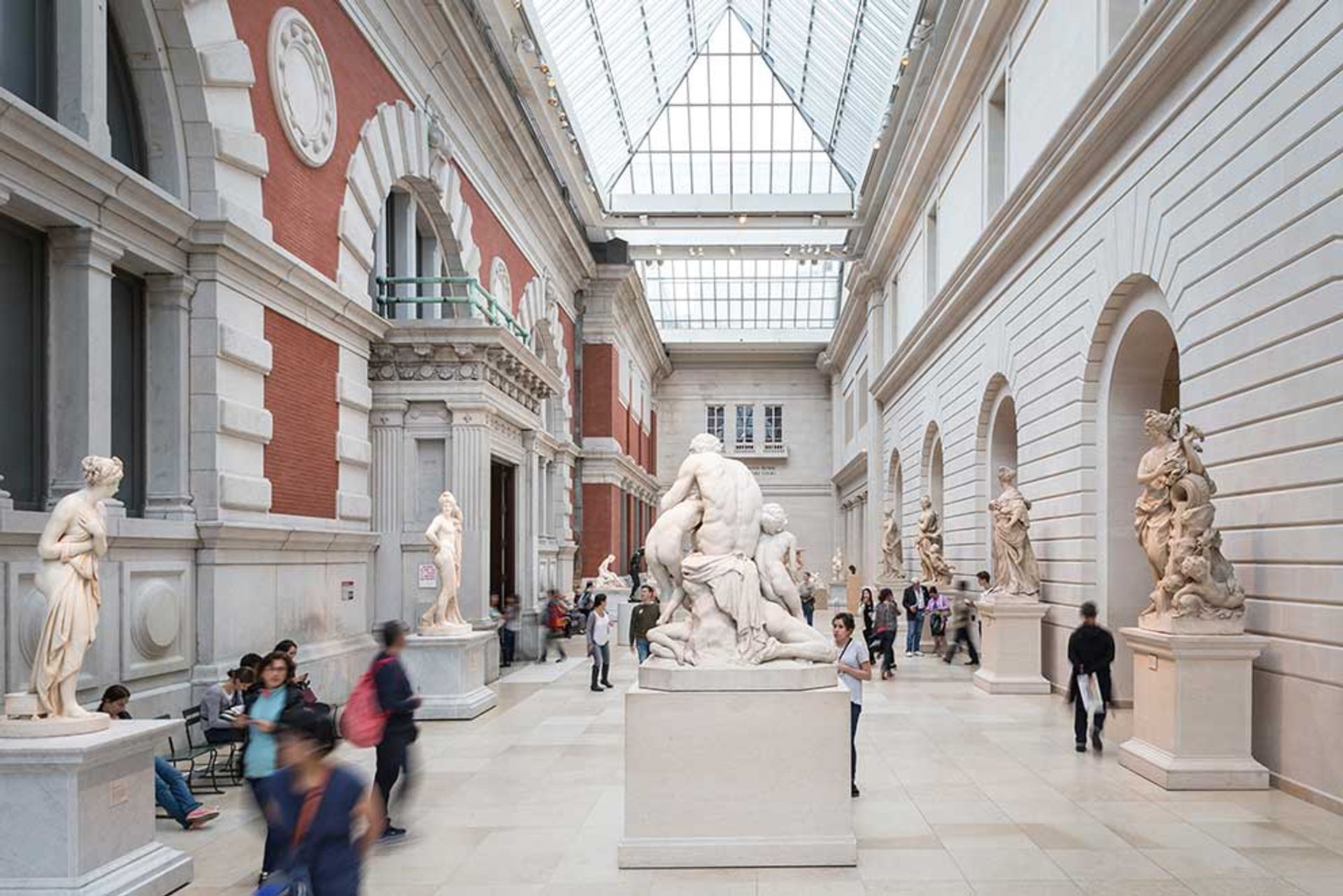
New York’s Metropolitan Museum of Art remains the most popular museum in the Western Hemisphere Photo: Brett Beyer
In Washington, DC, meanwhile, federally funded museums closed for more than a month in the autumn during the longest government shutdown in US history. The most affected institutions included the National Gallery of Art (2.9 million visitors, down 28% on 2024), the National Museum of African American History and Culture (1.4 million visitors, down 13% on 2024) and the National Museum of the American Indian (621,000 visitors, down 13% on 2024). The National Portrait Gallery and Smithsonian American Art Museum, which share a building, saw their visitor numbers sink to almost half of what they were pre-Covid (938,000 visitors in 2025, down 26% on 2024 and 44% on 2019). The two museums had a particularly volatile year—with prolonged political battles with the Trump administration over programming, artists pulling out of exhibitions amid accusations of institutional censorship and high-level resignations.
As in previous years, the most popular US museum was the Metropolitan Museum of Art in New York with almost 6 million visitors to its main building (up 4% on 2024); the Met reopened its revamped Michael C. Rockefeller Wing of African, ancient American and Oceanic art to great acclaim in May. The National Gallery of Art, despite its troubles, came in second. It was followed by New York’s Museum of Modern Art (MoMA, 2.8 million visitors, up 4% on 2024) and the Art Institute of Chicago (1.5 million visitors, up 14% on 2024).
The most popular exhibitions in New York last year were Superfine: Tailoring Black Style at the Met’s Costume Institute and a retrospective devoted to the artist Jack Whitten (1939-2018) at MoMA. Shows dedicated to Van Gogh specifically or Impressionism more broadly were extremely popular at the National Gallery of Art, Getty Center and Museum of Fine Arts (MFA) Boston. At the MFA Boston (1.1 million visitors, up 7% on 2024), an exhibition focused on Van Gogh’s portraits of the Roulin family in Arles brought in more than a quarter of the museum’s total visitors for the year. On the other side of the country, almost half of the San Francisco Museum of Modern Art’s yearly visitorship attended its Ruth Asawa retrospective.
The largest gains in visitor numbers were seen in smaller museums and those outside of major art centres. The Museum of Contemporary Art in San Diego, for example, almost doubled its numbers to 132,000 visitors. The Morgan Library and Museum in New York, Cleveland Museum of Art and Toledo Museum of Art also each saw significant jumps in visitorship of more than 20% on 2024. Museums that surpassed their pre-Covid numbers included the San Diego Museum of Art, Virginia Museum of Fine Arts in Richmond and Frederik Meijer Gardens & Sculpture Park in Grand Rapids, Michigan. And while the numbers at institutions like the Museum of Fine Arts, Houston, and New York’s Solomon R. Guggenheim Museum are still far lower than in 2019, they held fairly steady. Not so for the Brooklyn Museum, which had a particularly hard year (422,000 visitors, down 29% on 2024); the museum explains the drop by the fact that it had only one ticketed show in 2025, whereas it usually has two
per year.
Mexico and Brazil
As was the case in 2024, some of the biggest gains in museum attendance in the Western Hemisphere were seen in Mexico and Brazil. Latin America’s most popular museum, the Museo Nacional de Antropología in Mexico City, has been gaining on the Met with a record 5.1 million visitors last year (up 36% on 2024). Other museums in Mexico City that saw more than a million visitors include the Museo Nacional de Historia, Castillo de Chapultepec (2.7 million) and Museo Soumayo (2.2 million, down 5% from 2024). Outside the capital, the Museo de Arte Contemporáneo de Monterrey saw its numbers drop (203,000 visitors, down 22%), but this was likely a correction for the inordinate number of people who went to its Dan Flavin retrospective in 2024.
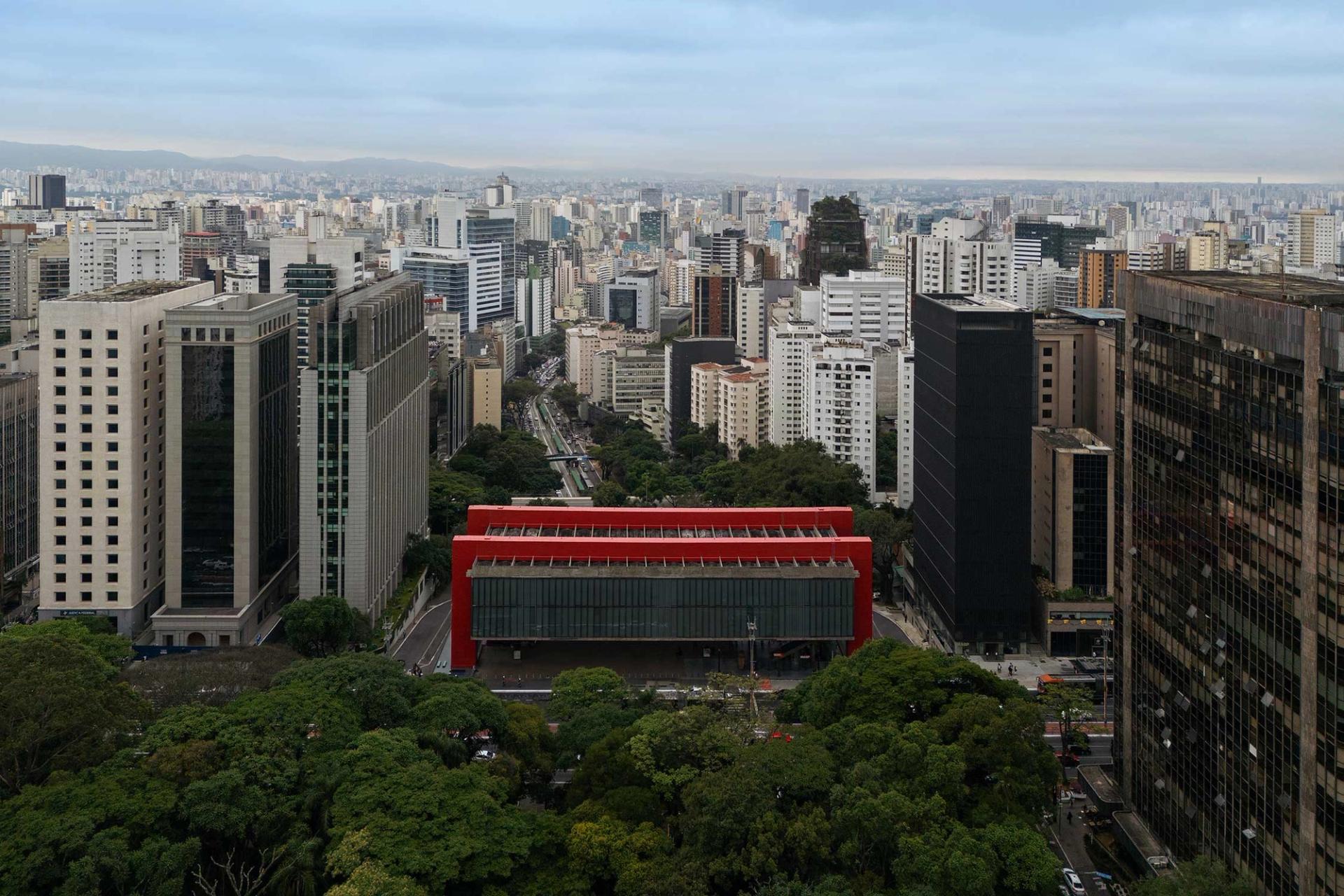
The Museu de Arte de São Paulo Assis Chateaubriand more than doubled its numbersthanks to its long-awaited expansion and a blockbuster Claude Monet exhibition Photo: Leonardo Finotti
There has been an explosion of visitors to museums in Asia and South America
Brazil was largely a success story as well. The Museu de Arte de São Paulo Assis Chateaubriand (Masp) more than doubled its attendance to 1.2 million visitors. Masp opened its long-delayed expansion in March; it also had a very popular Claude Monet exhibition, which brought in 503,000 people. Also in São Paulo, Instituto Tomie Ohtake saw a significant increase (665,000 visitors, up 84% on 2024), as did the photography-forward Instituto Moreira Salles (532,000 visitors, up 36% on 2024). In Belo Horizonte, there was a major gain in visitor numbers at Casa Fiat de Cultura (453,000 visitors, up 65% on 2024).
Meanwhile, the numbers at the various branches of the Centro Cultural Banco do Brasil (CCBB) were greatly helped by an exhibition of 1980s Brazilian art that started in Rio de Janeiro before touring the rest of CCBB’s spaces in Brasília, São Paulo and Belo Horizonte. At CCBB Rio, the show brought in 325,000 people; at CCBB Belo Horizonte, it attracted 205,000 visitors. While all of the CCBBs have kept their numbers fairly steady (gaining or losing no more than 10% on 2024), they also have a long way to go to regain their pre-Covid numbers.
Generally speaking, there has been an explosion of visitors to museums in Asia and South America. At the same time, institutions in Europe and the US are largely seeing steady numbers—at least in the absence of natural and political disasters. And while 2024 was all about immersive exhibitions, the Impressionists and Post-Impressionists appeared to be back in full force in 2025.
• All the data used was supplied by the institutions concerned. Museums that did not supply data in accordance with our criteria, or whom we were unable to contact, do not appear in the table. The numerical ranking is therefore for ease-of-use only.
• Venues marked with a dagger (†) indicate institutions with more than one building. We have separated the venues to give a more accurate reflection of footfall. The institutions’ additional venues and combined totals are: The Met (Met Cloisters 281,807; total 6,265,898); Shanghai Museum (total East and People’s Square 7,027,708); National Gallery of Victoria (Ian Potter Centre: NGV Australia 566,610; total 3,061,799); National Galleries Scotland (Modern One 178,220; Modern Two 109,023; Portrait 343,483; total with National 2,635,503); Belvedere (Lower Belvedere 375,000; Belvedere 21 99,000; total with Upper Belvedere 2,030,000); Getty (Getty Villa 188,952; total with Getty Center 1,512,568); Albertina (Modern 210,818; Klosterneuburg 42,136; total 1,290,301); Smithsonian American Art Museum (Renwick Gallery 177,073; total 1,114,789); Fine Arts Museums of San Francisco (Legion of Honor 406,265; total with de Young 1,246,838).*In 2019 we reported Reina Sofia venues as a combined figure, but we now split them to be consistent with other venues. **National Portrait Gallery, Washington, DC, and Smithsonian American Art Museum share a building, hence report the same figure. We therefore rank them equally and count these visitors only once in our overall totals.
• Research by Alexandra Timonina and Allison C. Meier