

Aimee Dawson
Aimee Dawson is a writer and editor specialising in art in the digital sphere; social media in the art world; and Middle Eastern visual culture. She was formerly an editor at The Art Newspaper and writes the monthly column Insta’gratification about how the art world and social media collide.
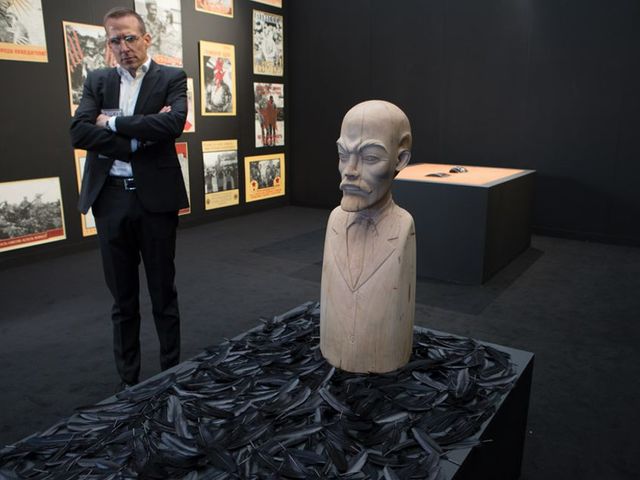
Kiluanji Kia Henda: The right way to fill a city’s plinths
The Frieze Artist Award winner brings an Angolan take on the public sculpture debate
Abraaj Group Art Prize celebrates tenth edition
2018 award goes to Lawrence Abu Hamden
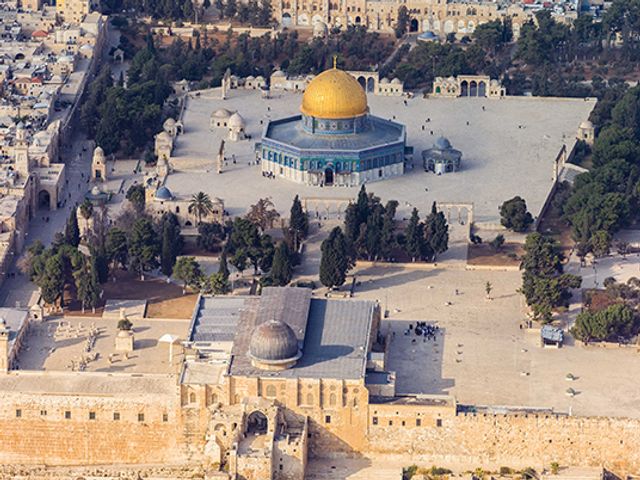
Jerusalem, a divided city, comes to life in two exhibitions
Exhibitions at the Israel Museum and the new Palestinian Museum offer differing perspectives
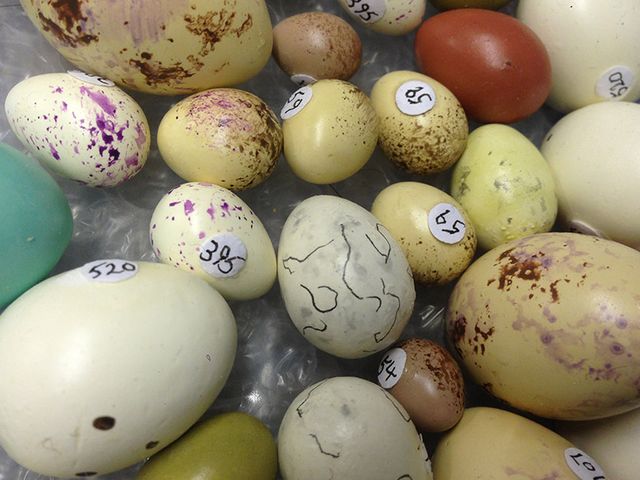
Three to see: London
From Giacometti’s reunited Women in Venice to an exploration of bird nests and egg collecting
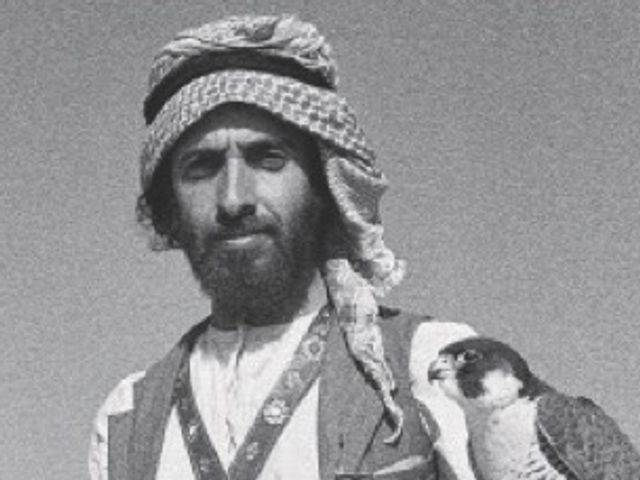
The ruler sheikh who was fascinated by archaeology
The founding father of the UAE, Sheikh Zayed bin Sultan Al Nahyan, set up an archaeological programme that anticipates the creation of Louvre Abu Dhabi
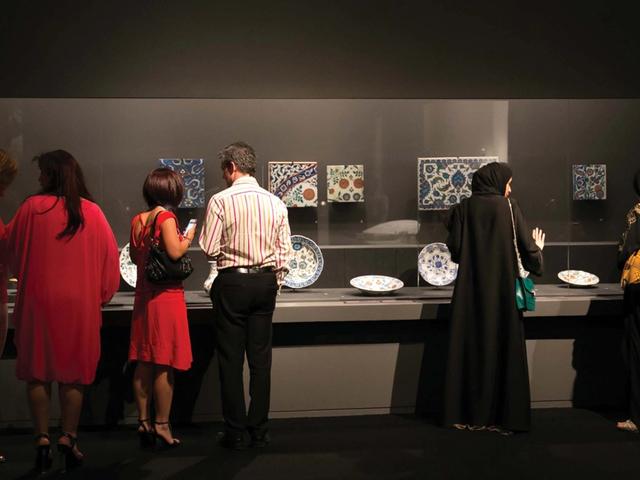
Six opinions on the potential impact of Louvre Abu Dhabi
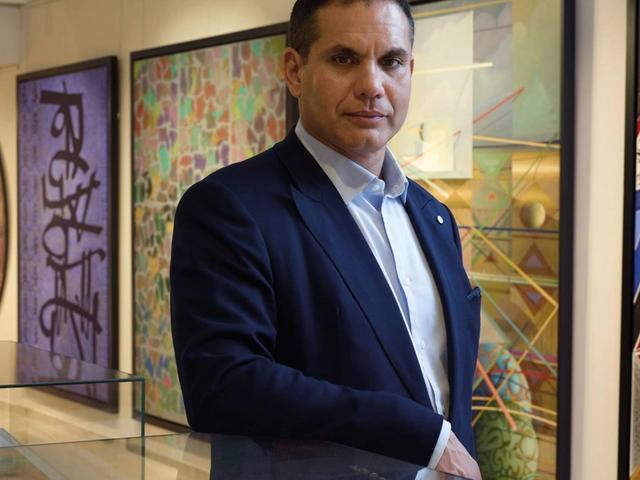
Private museum of Arab art in the pipeline for Beirut
Pop-up shows and international loans will pave the way for 2020 opening
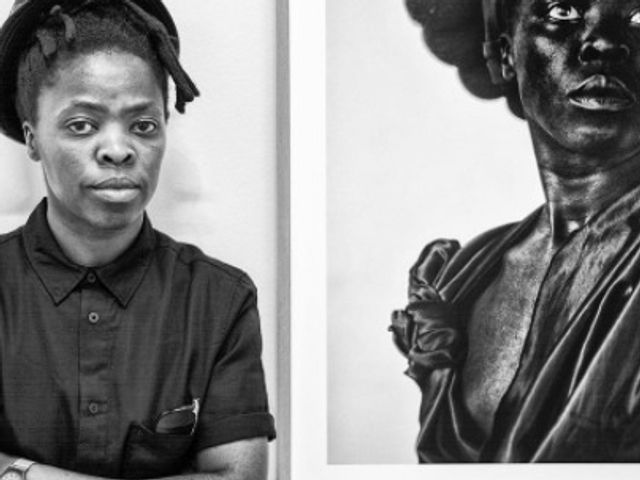
Photographer Zanele Muholi 'enraged' after Airbnb altercation
Member of Muholi's team was hospitalised after she was allegedly pushed down the stairs in Amsterdam
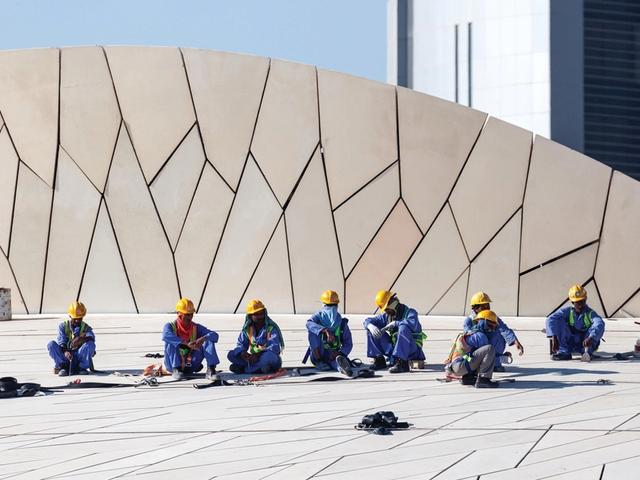
Qatar blockade tests cultural relations
Museums hope to overcome embargo imposed by Gulf neighbours as deadline extended
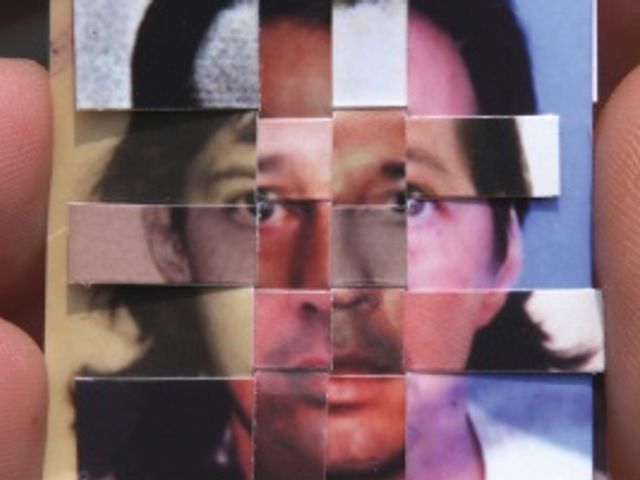
Forged in war, revolution and turmoil, works head for Les Rencontres d’Arles
The annual photography festival assembles works that open up doors closed by political turbulence
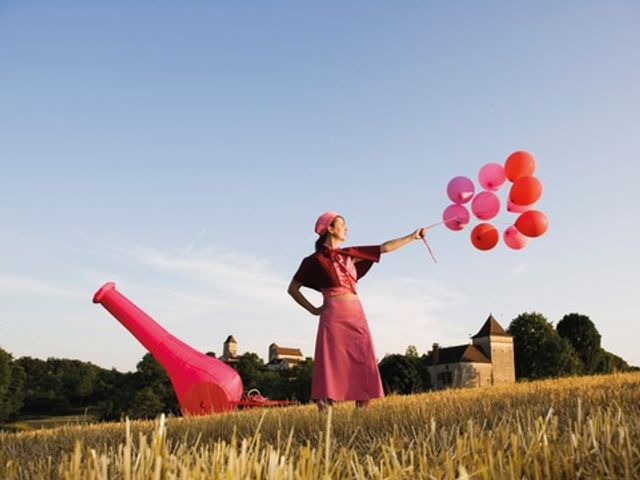
Edinburgh Festival salutes their 70th year with a giant dragon
Edinburgh comes alive with 45 exhibitions city-wide
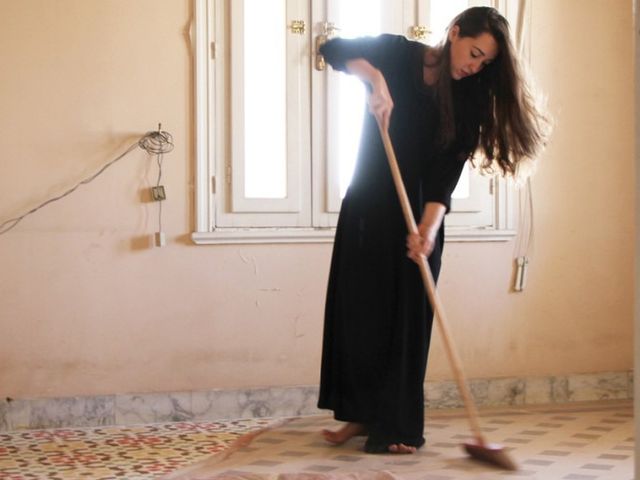
Shubbak, London’s Arab arts and culture festival, opens this weekend
This year’s programme promises to look to the future while reflecting on “fragility, resilience and challenges of artists in times of crisis”
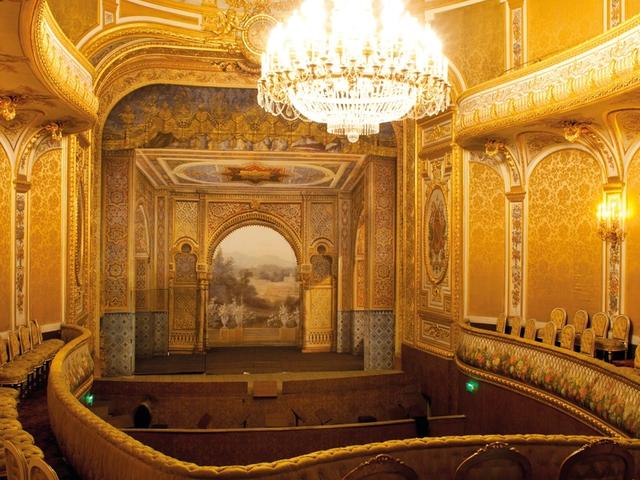
Fontainebleau theatre restoration enters final phase
Focus will be on restoring the theatre’s machinery, the upper levels of the salons and the podium that houses one of France’s most important stage sets
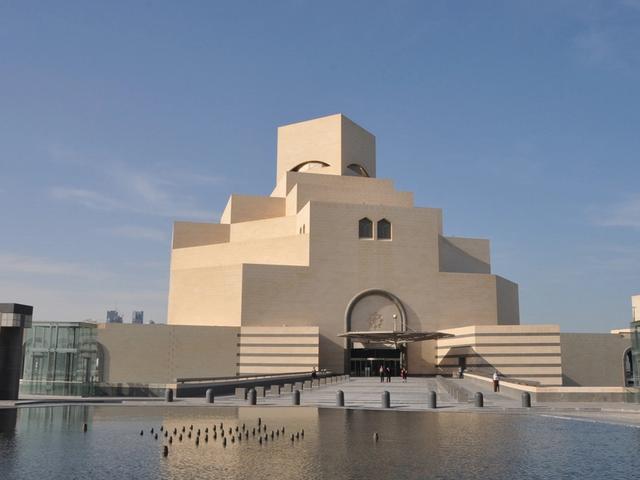
Blockade of Qatar threatens cultural institutions
Moving works of art difficult and museum building projects may suffer
Must-see shows in Basel this week
From shit machines to abstract paintings made by one very artistic robot
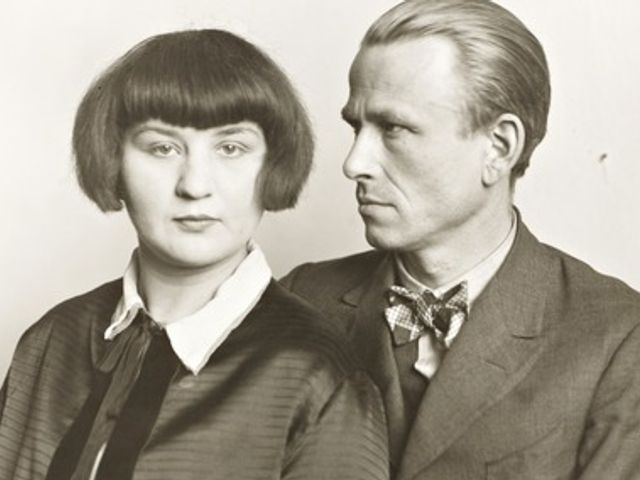
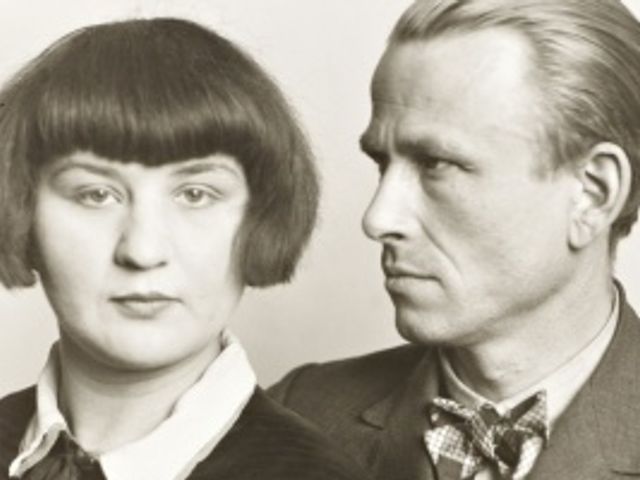
Tate pairs off Weimar-era artists Dix and Sander for a discussion about the failed republic
The two exhibitions will evoke a dialogue about their shared themes
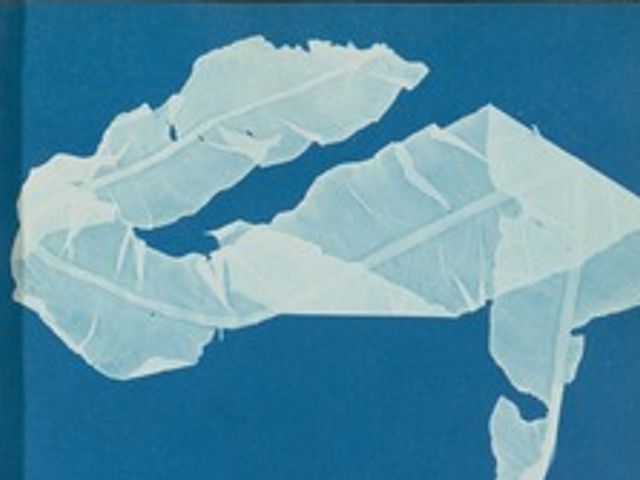
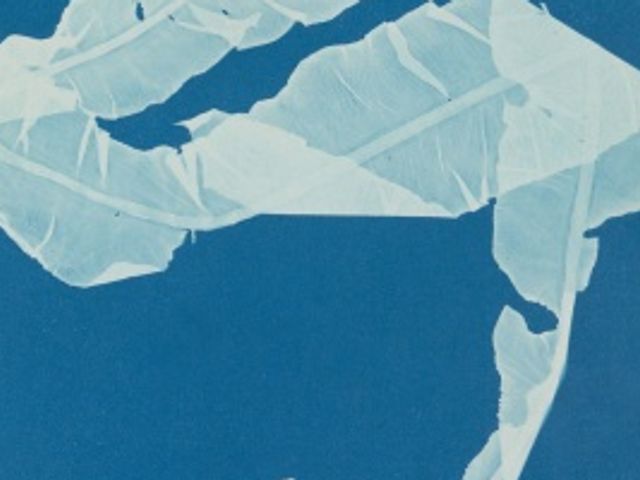
Rijksmuseum explores how botany helped give birth to photography
The New Realities of 19th-century photography shows key developments in scientific and artistic endeavour
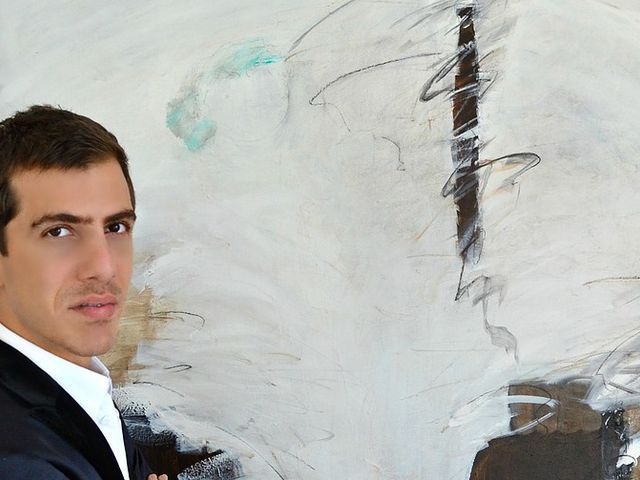
Behnam Bakhtiar Award set up to promote Iranian art
Artists of Iranian descent eligible for biennial prize of €10,000 and solo exhibition in Monaco gallery
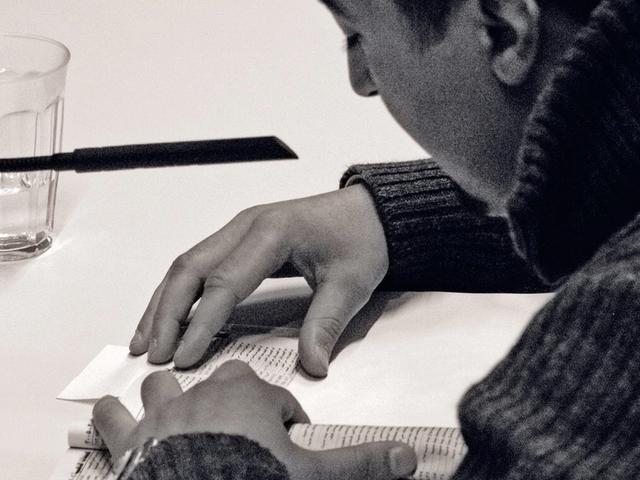
Santiago Sierra commemorates the Syrian war dead
Names of 144,000 people who have died to be read out over more than a week in four cities
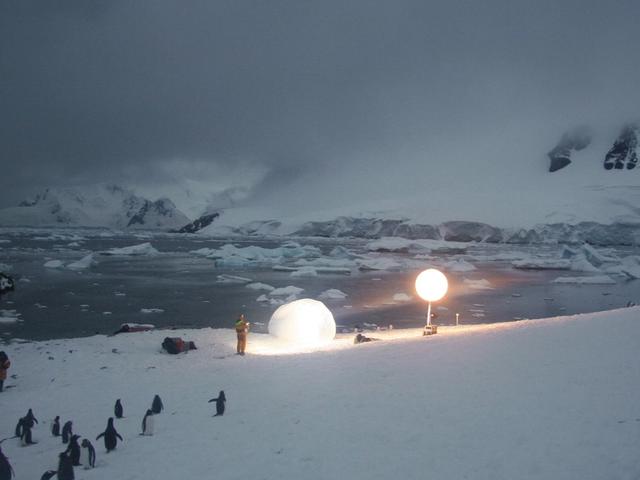
Collaterals and extras: the Venice Biennale’s other shows
Don't miss the ambitious events outside the national pavilions and the main exhibition open across Venice
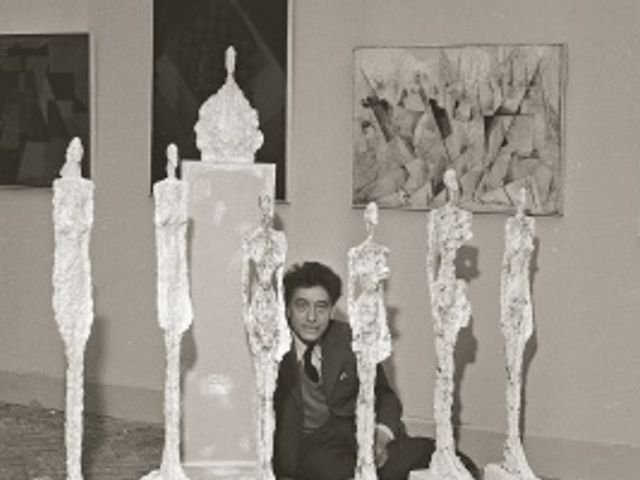
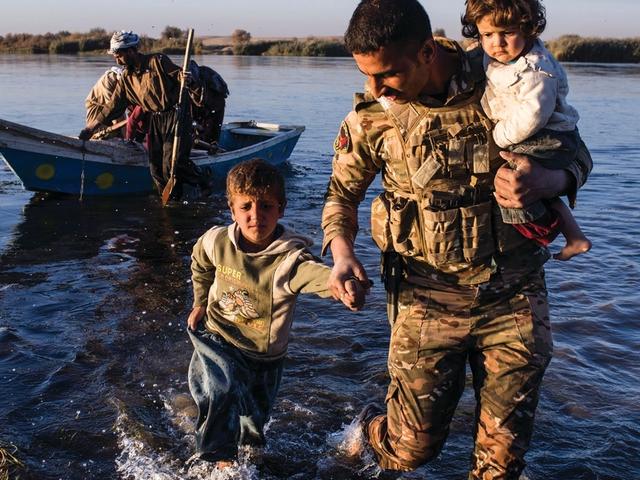
National anthems, national myths, national crises: pick of the Venice Biennale pavilions
Official pavilions in the Giardini and the Arsenale that are already talking points, plus national presentations across Venice that are part of the collateral programme
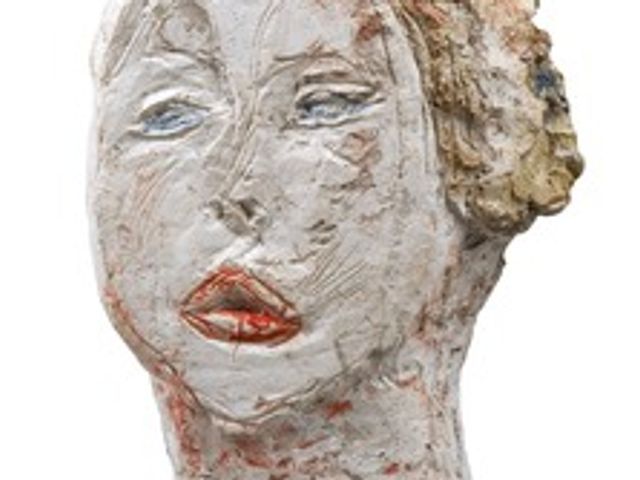
Tate survey exhibition reunites Giacometti’s Venice Biennale sculptures for first time in 60 years
This display aims to flesh out Giacometti's practice, which is not limited to his iconic bronze figures
Online stock exchange for art opens its virtual doors
London- and Prague-based online art trading platform launches full website this month
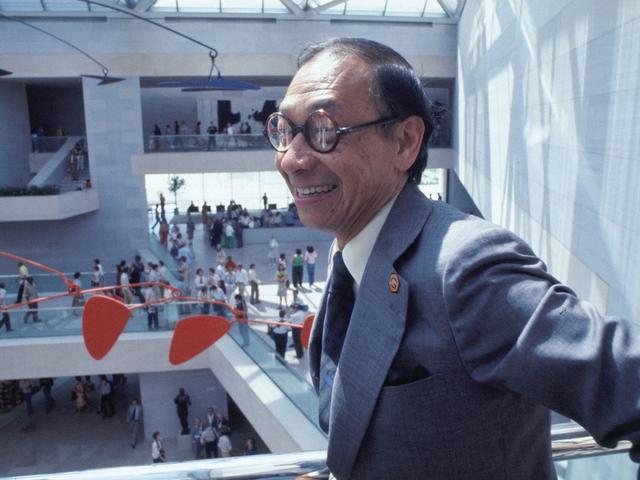
I.M. Pei’s life and work celebrated to mark architect’s centenary
Chosen by Jacqueline Kennedy to design the Kennedy Library, he went on to build landmark museums across the globe