

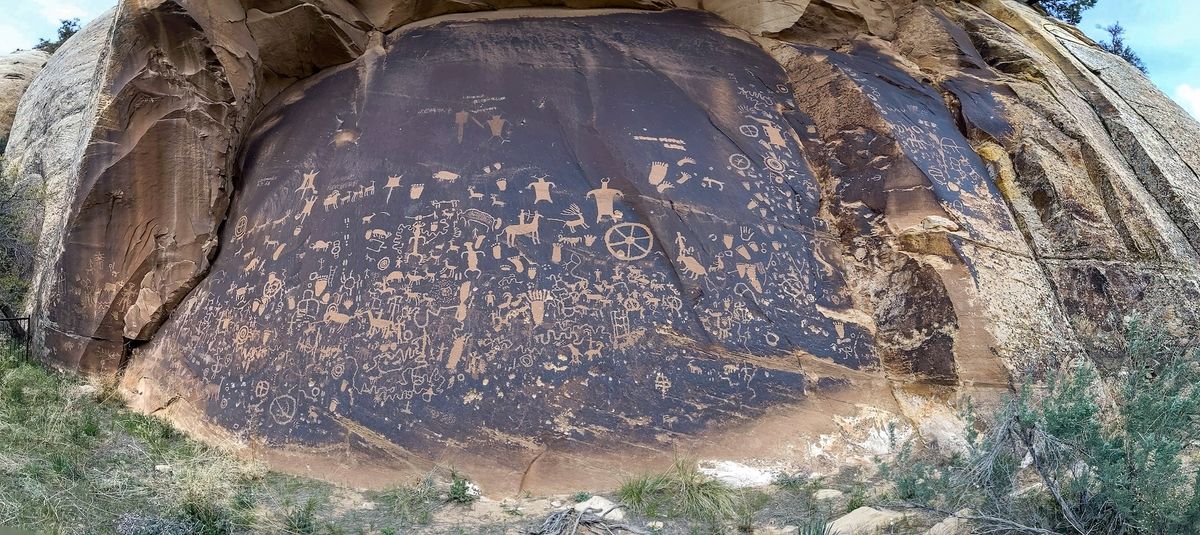
Recent catastrophic flooding across the southwestern US has renewed concerns about the future management and preservation of Bears Ears National Monument in Utah, which is home to a rich concentration of archaeological sites. The concerns follow the Trump administration’s decision to reduce the monument from more than one million acres to around 120,000 acres, reversing Biden-era protections and dismantling its Indigenous-led management structure.
The decision to shrink the boundaries of the protected area and open the site to resource extraction has become a flashpoint as the region grapples with the effects of severe weather, with the recent floods raising questions around the resources available for the preservation of heritage sites. The flooding hit the Four Corners area—which encompasses parts of Arizona, Colorado, New Mexico and Utah—from late October to early November, causing widespread damage to roads and infrastructure.
A spokesperson for the Bureau of Land Management’s (BLM) Monticello field office in southeastern Utah says in a statement to The Art Newspaper that the public lands it manages, which includes Bears Ears National Monument, were significantly affected by flash floods, resulting in major washouts on many primary access roads and rendering some routes impassable. BLM staff have been patrolling the region to assess road conditions and evaluate the status of infrastructure around areas used for recreation.
“Park rangers and archaeologists have also been assessing cultural sites to identify any potential impacts from the flooding,” the spokesperson says. “While storm events of this nature are not uncommon in this landscape and can affect sensitive cultural resources, no immediate impacts on cultural sites have been reported at this time.”
The local researcher and author Ralph “R.E.” Burrillo was in the town of Bluff, Utah, a gateway to Bears Ears National Monument, when the floods started in late October. He notes that the management plan for the new boundaries has not yet been implemented, so nothing has changed other than the “invisible line”. The longer-term implications, however, remain uncertain.
“With a monument in place, there wouldn’t be these wildcat permits for people supposedly looking to extract resources, but these are just exploratory leases,” he says. “The reality is that there isn’t that much energy to be extracted underground in Bears Ears, or people would have been going after it for decades. When anybody says the monument is locking up America’s energy potential, they are lying.”
Other monuments in the region, like the Grand Staircase-Escalante National Monument in southern Utah, which has substantial deposits of coal and other minerals like uranium, chromium and copper, have a longer history of conflict over resource extraction. The Clinton administration established the monument in 1996 in part to prevent commercial development of coal extraction. Several companies had acquired coal leases in the region during the 1960s and 70s, although commercial mining never materialised.
Burrillo emphasises that the demarcation of the Bears Ears National Monument benefits two constituencies: resource developers and opponents of tribal stewardship. The Grand Staircase-Escalante National Monument and the Bears Ears National Monument are frequently reduced due to a “handshake deal” that grants energy lobbyists access to energy resources from one site and removes tribal jurisdiction from the latter. At this time, the main immediate threat to heritage sites in the region, Burrillo adds, remains tourism, looting and vandalism.
“What the monument did, at least potentially, was create a nexus for funding to be sent to that area for things like interdiction and law enforcement, education and interpretation, trail maintenance and collaboration with tribes,” Burrillo says. “A monument is a conduit for funding to try to protect those resources from vandals, looters and, again, tourists, who, whether intentionally or not, crawl all over the place. Without the monument, there’s no nexus for funding and that’s really a knock-on effect.”
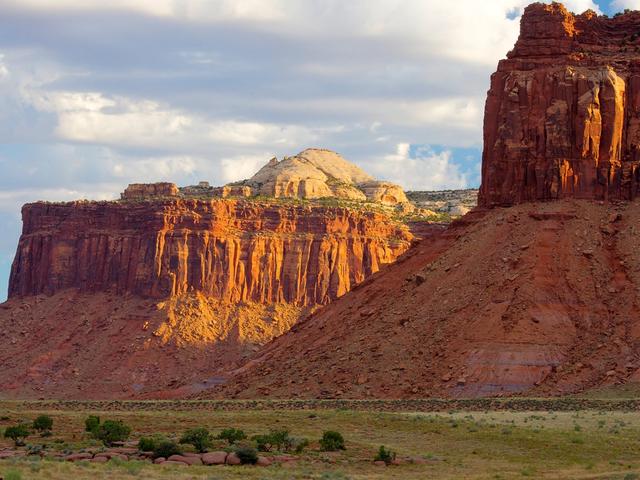
Although flooding could affect archaeological sites, including potentially eroding petroglyphs, Burrillo says that prehistoric sites in the region are of the least concern. The region has historically flooded, with water sometimes rising to 50ft, and its archaeological sites tell a fascinating story of adaptability, with sites like ancestral Puebloan cliff dwellings having been built higher than the water could ever reach. When Mormon pioneers arrived in the region in the 1870s and attempted to establish a town at Bluff, with farms and as an outpost for missioning the Navajo population, they were unsuccessful and eventually moved north.
“When you go back 500 to 2,000 years, the people didn’t have those dams. You simply had this tempestuous river that was famous for flooding more or less constantly, filling miles around the flood basin with water and mud,” Burrillo adds. “The ancestral Pueblo and their ancestors knew it and built above it. For the most part, they treated the river with more respect than we have. The archaeology is in far less danger than the modern infrastructure for that reason.”