

• Click here for more reading lists on the world's greatest artists
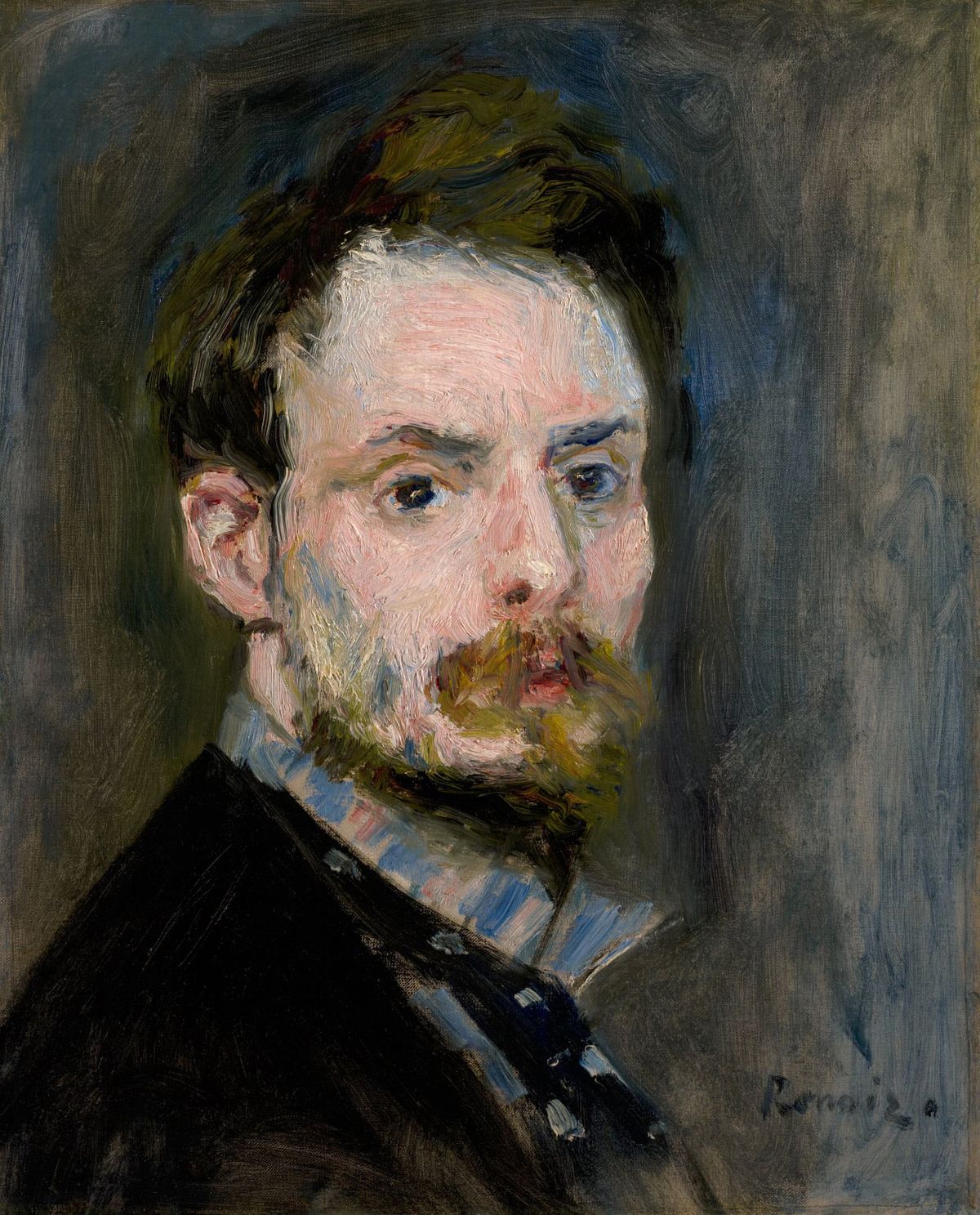
The French Impressionist Pierre-Auguste Renoir is a surprisingly divisive artist, from some of his peers denigrating him to the so-called Renoir Sucks at Painting movement a decade ago and a critic recently labelling him “the chocolate boxiest” of the Impressionists. But the recently opened exhibition Renoir and Love at the National Gallery in London (which debuted at the Musée d’Orsay in Paris earlier this year and will travel to Boston in 2027) has had—for the most part—rave reviews and robust ticket sales. Its co-curator Christopher Riopelle, who is also the author of Renoir: The Great Bathers (1990), has selected five key books for anyone wanting to go beyond first impressions.
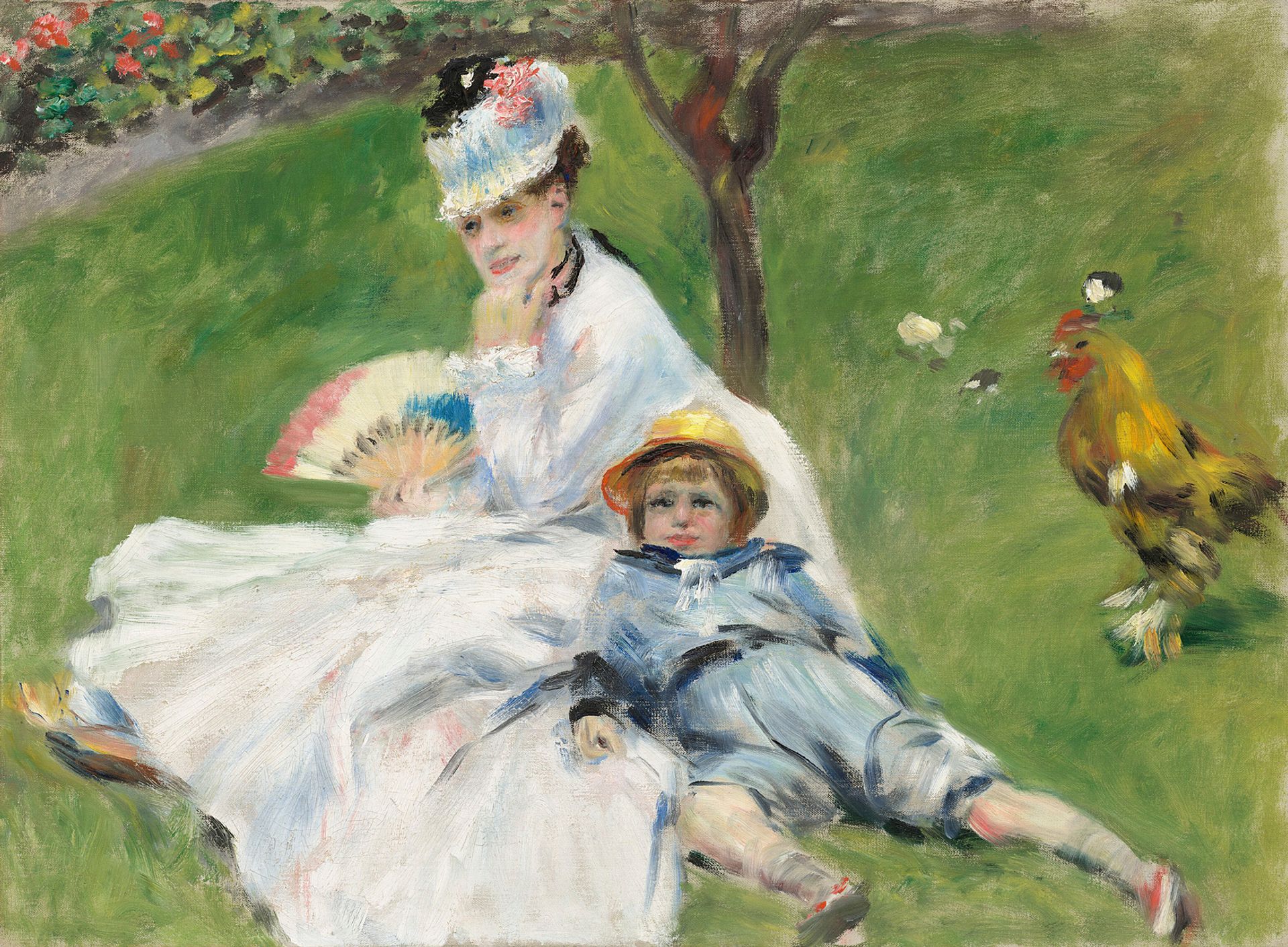
Renoir’s painting Madame Monet and Her Son (1874) depicts the artist’s wife and his son Jean, who would go on to write a book about his father as well as becoming a successful film-maker National Gallery of Art (Washington DC)
Renoir, My Father (1962) by Jean Renoir
“Father and son, both artistic geniuses—a rare combination. That the great cineaste Jean Renoir should have penned an idiosyncratic, anecdote-filled life of the father is more than we deserve. Moreover, it is a film-maker’s biography, countless scenes set up visually, in flowing time. No surprise to learn that the loving son wrote it in far-off Hollywood!”
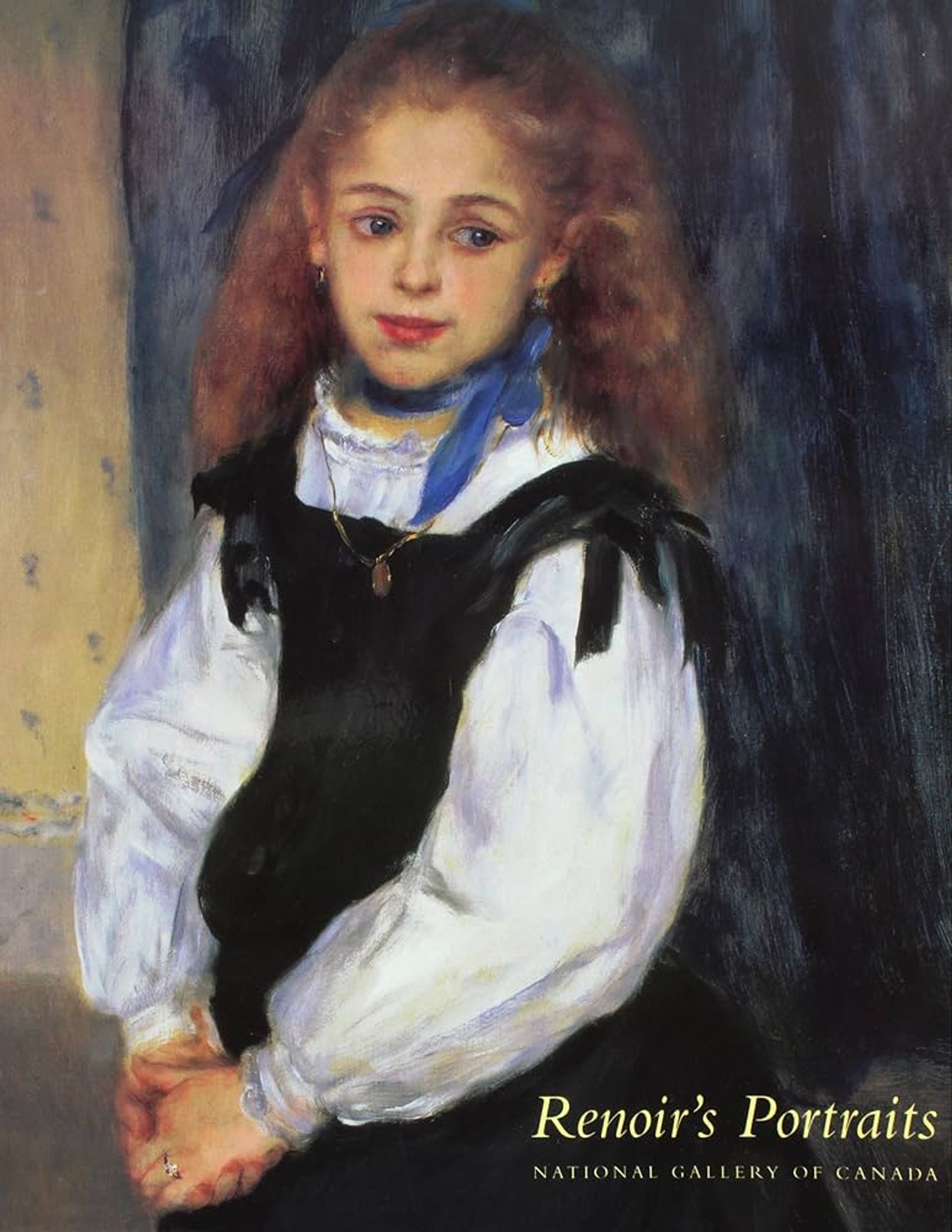
Renoir’s Portraits: Impressions of an Age (1997) by Colin B. Bailey
“Colin B. Bailey is our leading Renoir scholar. It is invidious to choose which of his several publications to include; I settle on this study of 69 portraits. Bulging with new information, it is every bit as indispensable to social historians as to art historians. As Renoir studies resurge, let us hope it returns to print.”
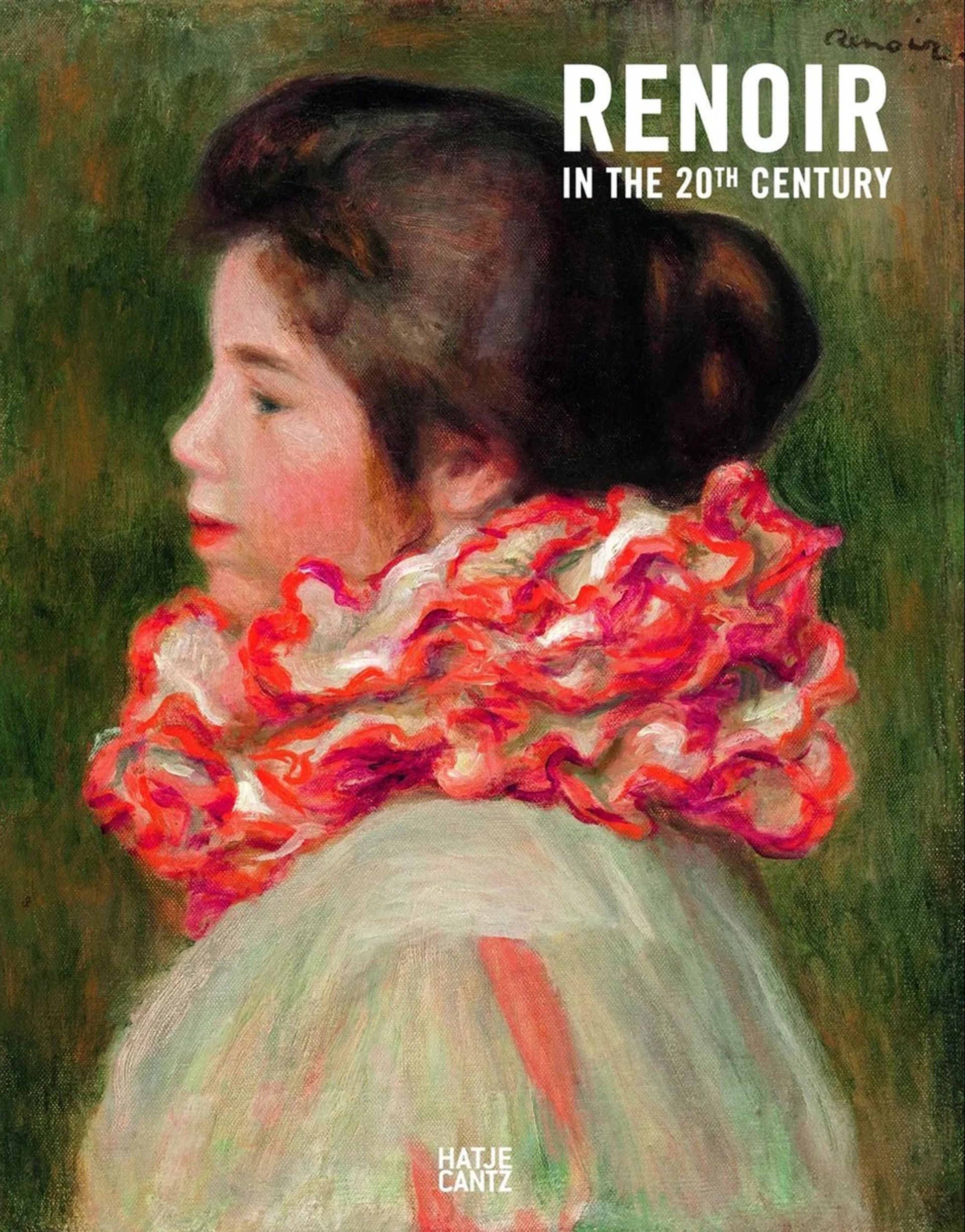
Renoir in the 20th Century (2010) with essays by Roger Benjamin, Claudia Einecke, Guy Cogeval, Isabelle Gaëtan, Emmanuelle Héran, John House, Virgine Journiac, Martha Lucy, Laurence Madeline, Monique Nonne and Sylvie Patry
“Late Renoir: Marmite. But the period includes among its admirers Henri Matisse, Pablo Picasso and the collector Albert C. Barnes. Sylvie Patry guides us through the final two decades with concision, deep respect and an unfailing eye for bravura painting. More than that, she demonstrates why the allusive Classicism of the late works played a key role in Modernism.”
Renoir in the Barnes Foundation (2012) by Martha Lucy and John House
“The Renoir scholar John House wrote this assessment of the largest and greatest of all Renoir collections with a passionate and utterly engaged eye. Martha Lucy was with him all the way; it’s as if we eavesdrop on a wickedly clever conversation between receptive student and brilliant, probing master.”
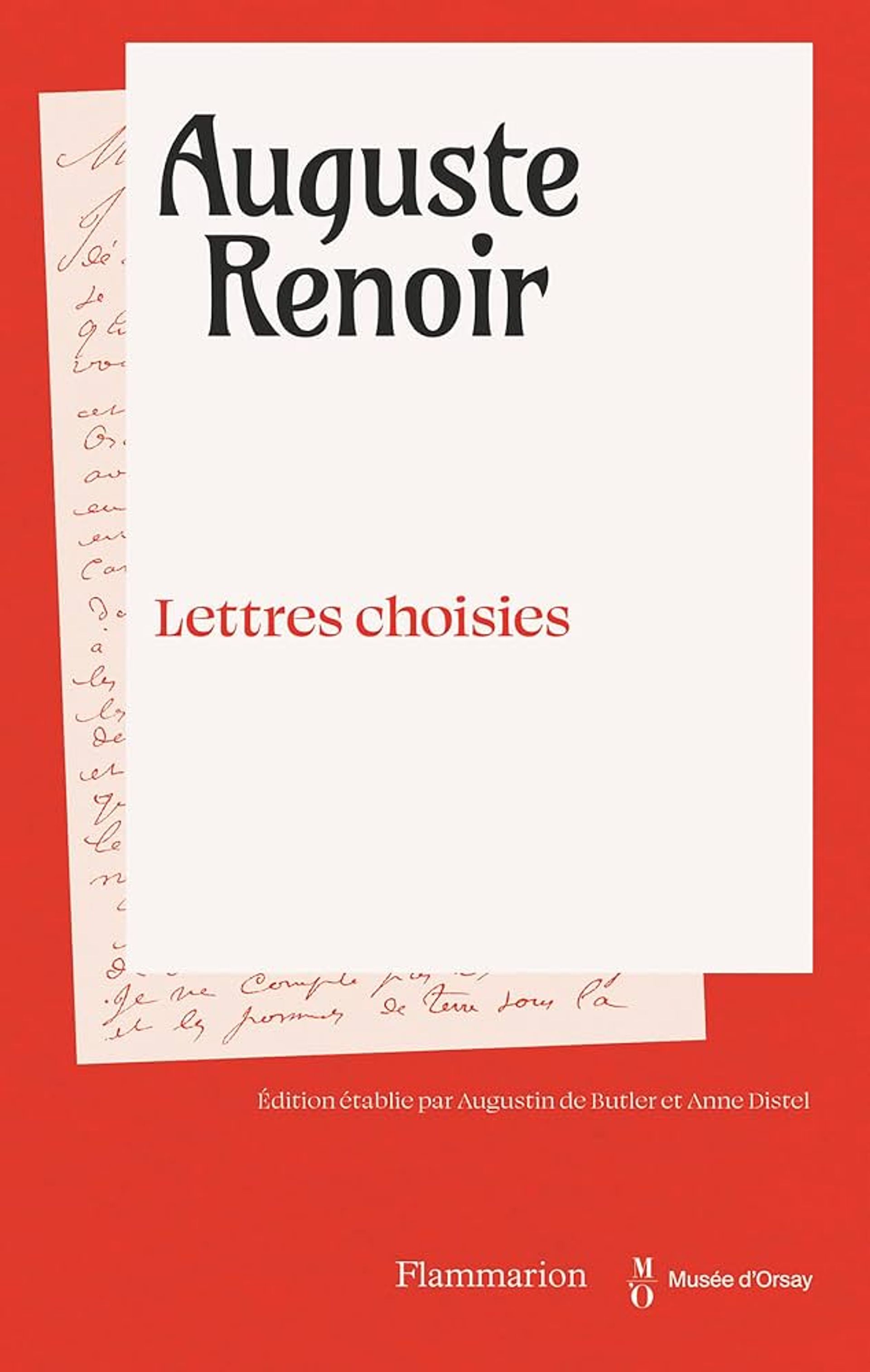
Auguste Renoir: Lettres choisies (2026), edited by Augustin de Butler and Anne Distel
“At last, a meticulous scholarly edition of 314 key Renoir letters tracing his career from 1865 to 1919. Helped in shaping by the consummate Renoir scholar Anne Distel, finally we can ‘hear’ the master’s voice. The wit is clear but so, too, the anxiety. Let us have a translation soon, to stand beside the newly translated Claude Monet letters.”
• Renoir and Love, National Gallery, London, until 31 January 2027; Museum of Fine Arts, Boston, 28 February 2027-13 June 2027