

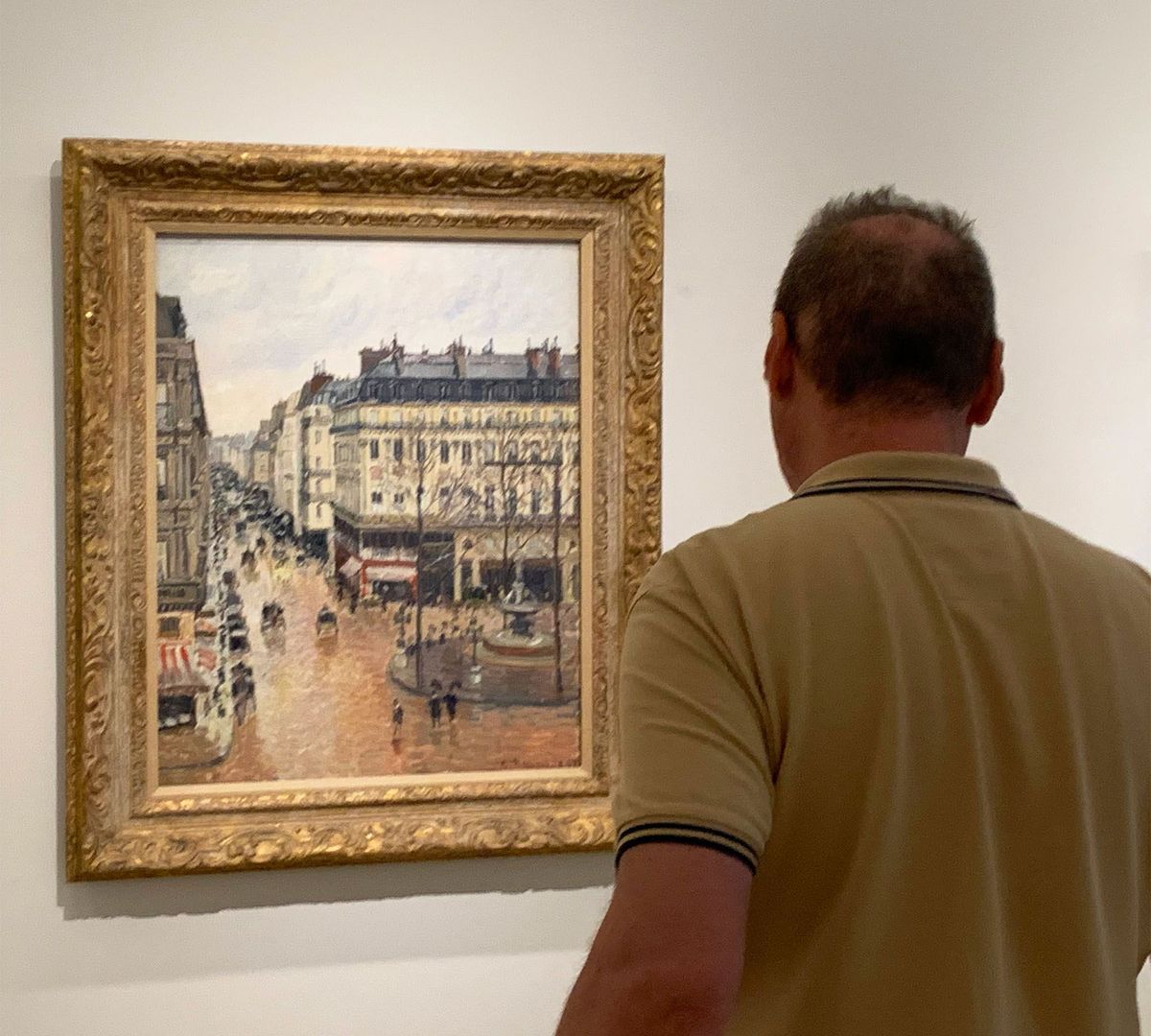
Reopened claims in California are testing new laws that were enacted to counteract court decisions in favour of museums in Nazi-looted art cases. The California and US federal statutes, which change the procedural rules for Nazi-looted art claims, are being challenged by the Thyssen-Bornemisza Collection Foundation (TBCF) in Madrid, and the Norton Simon Museum (NSM) in Pasadena, California.
Both museums are facing new litigation in art ownership claims that were previously decided in their favour by court judgments which both Congress and the California legislature cited negatively as reasons for changing the law. The challenges by the museum and foundation now launch the statutes towards court judgment themselves as to their permissibility.
On 19 October, Judge John Walter of the federal district court in Los Angeles said he would issue a decision in the TBCF case without oral argument, based on the submitted briefs. The museum and plaintiffs have each moved for summary judgment in the reconsideration of a claim to recover a Nazi-looted painting by Camille Pissarro, which had already been adjudicated in favour of TBCF.

The reconsideration was ordered in 2025 by the US Supreme Court, after California amended its procedural laws in 2024 to aid state residents who sue museums for stolen works of art. The legislature criticised a 2022 Ninth Circuit federal court of appeals decision which said Spanish property law applied to the TBCF case, and that under the Spanish “acquisitive prescription” principle, TBCF owned the painting. The work is Pissarro’s Rue Saint Honoré, apres midi, effect de pluie (1897). The Supreme Court vacated the decision because under California’s new procedural statute, California’s substantive law, and no one else’s, applies in claims for stolen art at museums, regardless of prior judicial decisions.
The plaintiffs, David Cassirer and other heirs of the original owner, Lilly Neubauer, justify recovery of the painting because Neubauer, a Jew based in Berlin, was forced in 1939 to sell it to Nazis to obtain an exit visa, and was not allowed to access the payment. In the renewed proceedings, Neubauer’s heirs argue that under the new California rule, California’s property law applies, “under which good title can never be acquired to stolen property”. The painting therefore must be returned to them as rightful owners. The plaintiffs also cite a second legislative change, which followed soon after California’s: the amendment by the US Congress of the federal Holocaust Era Art Recovery (Hear) Act. The amendment took effect in April 2026 and was expressly applicable to pending lawsuits.
For Nazi-loot claims that it covers, the new Hear Act bars art possessors from relying on “defences or substantive doctrines based on the passage of time”, including “acquisitive prescription”. The prior court proceedings had found that TBCF earned ownership of the painting under Spanish acquisitive prescription, because TBCF possessed the painting for more than three years without actually knowing it was stolen. The plaintiffs say that the 2025 Hear Act’s bar of any reliance on acquisitive prescription thus “conclusively resolves” all issues in their favour.
But the TBCF is challenging the new statutes. It says that the California law violates the US constitution by retroactively denying it of its vested property rights in the painting without due process, and that the Hear Act, if applied to this case to achieve that, will be unconstitutional too. Acquisitive prescription is not a “defence based on the passage of time”, but a property vesting law under the substantive law of Spain, it says, and prior court decisions in the case repeatedly found that TBCF’s property rights vested no later than 1999, “more than twenty-six years before the [Hear] Act’s enactment”. The TBCF makes multiple other challenges to the new laws, including that the new California law is an impermissible state attempt to regulate conduct extraterritorially in Spain.
The governments of the United States and California have intervened in the lawsuit, submitting briefs defending the constitutionality of their statutes. Friend of the court briefs have also been filed on both sides. A decision is expected likely by late February.
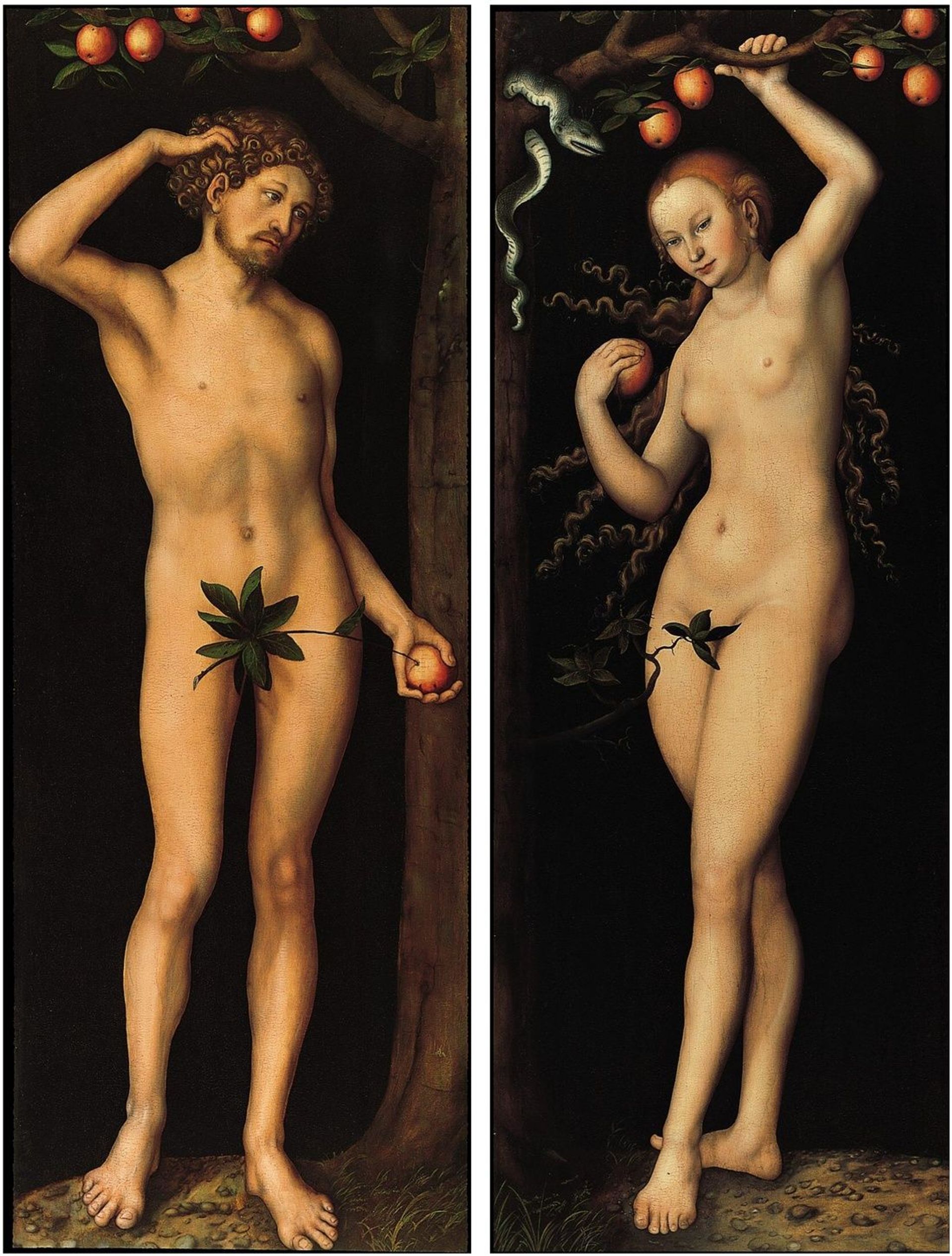
ucas Cranach the Elder, Adam and Eve (around 1530)
In the second lawsuit, the NSM on 14 October challenged a complaint filed in September in state court and removed it to the federal district court in Los Angeles. The claimants seek recovery of a diptych, Adam and Eve (around 1530), by Lucas Cranach the Elder. The paintings were among 800 works stolen from the Old Masters dealership in the Netherlands owned by Jacques Goudstikker, a Dutch Jew, by Nazi Reichsmarschall Hermann Göring in 1940.
Prior litigation seeking the Cranach diptych ended in a judgment for the museum. In 2018, the Ninth Circuit Court of Appeals dismissed the case based on the “act of state” doctrine, under which the actions of the Dutch government within its borders, including its allegedly wrongful sale of the Cranach paintings to a third party, cannot be adjudicated by US courts. The prior litigation was brought by Marei von Saher, Goudstikker’s sole surviving heir.
The current lawsuit relies on the new California law allowing new claims even if previously dismissed on procedural grounds, and is brought by Von Saher’s assignees, Daniel Gryczman and the Jewish Federation Council of Greater Los Angeles. The NSM is telling the court that the new lawsuit is a “misguided and meritless” action seeking to relieve the museum from its prior judgment, and is requesting a permanent injunction precluding the re-litigation. The prior judgment dismissed Von Saher’s claims “on the merits” andquieted NSM’s title to the Cranach diptych, the museum’s representatives say, and it asks the court to grant its requests to spare it “the open-ended threat of future litigation”.

A third lawsuit is also unfolding based on the new California law. In it, the daughters of the Czech Jewish artist Dina Gottliebova Babbitt are seeking recovery from the Auschwitz-Birkenau State Museum (ABM) in Poland of portraits Babbitt was forced to create while imprisoned at the Auschwitz-Birkenau concentration camp. Under the process required to sue a foreign government instrumentality, the museum, an instrumentality of Poland, has not yet been joined to the case, a representative for the ABM tells The Art Newspaper, and has not yet filed a response. Babbitt’s daughters filed their complaint in September.
The Hear Act amendment is also being tested in other federal courts. One of the cases, brought against Austria and two Austrian museums in the federal district court for the Southern District of New York, is considering the constitutionality of the Hear Act’s denial of otherwise applicable defences.