

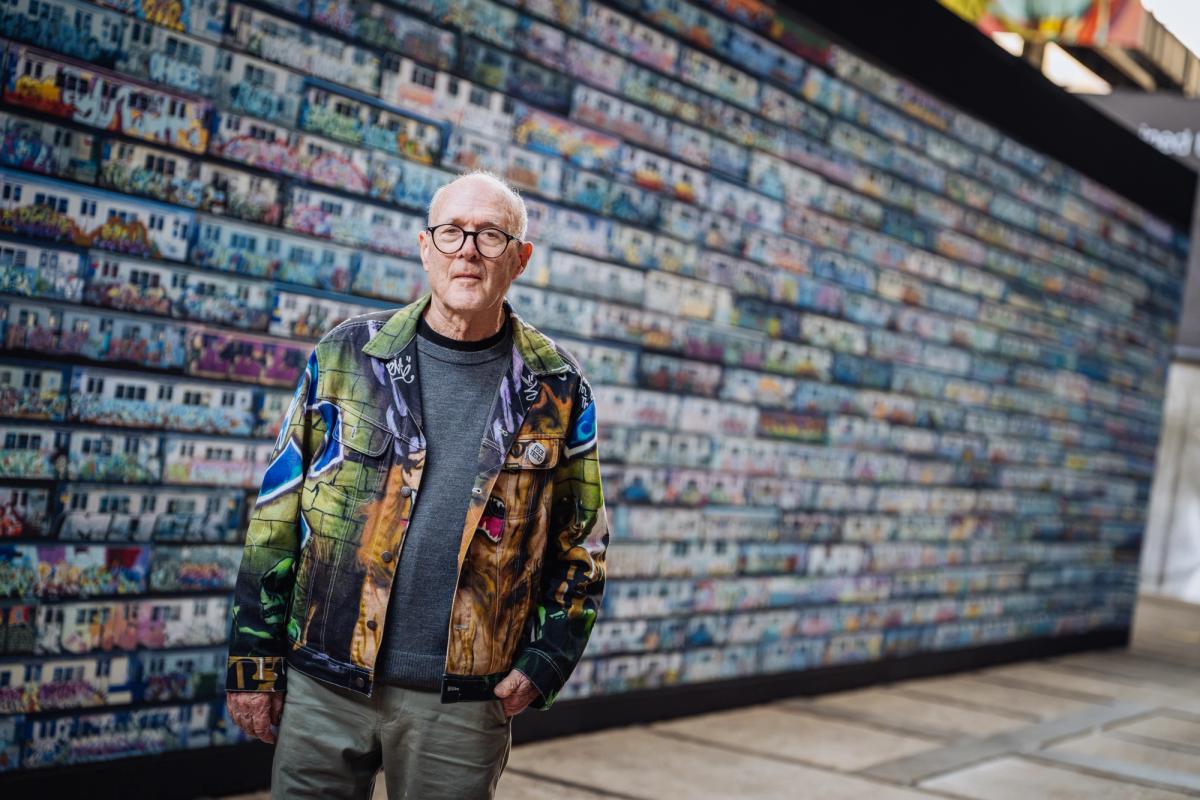
When Henry Chalfant began photographing New York’s subway graffiti in the early 1970s, he wasn’t thinking about art history. He was more fascinated by the act of catching something that had a habit of disappearing.
“Part of the excitement of the graffiti scene was that nobody else was really documenting it,” he says. Photographing trains felt like “big game hunting”, trying to catch a rare trophy before it disappeared from view down the track or was buffed by the transport authority.
In 1983, Chalfant co-produced Style Wars, Tony Silver’s landmark documentary on New York graffiti and hip-hop. A year later, he and the photographer Martha Cooper published Subway Art, the book that became know as the “bible” of graffiti, inspiring a generation of writers worldwide.
More than 40 later, Chalfant’s archive is the subject of Art Is Not A Crime (until 13 March 2027), a major show at STRAAT Museum in Amsterdam, a vast warehouse space dedicated to street art. It is only the second time Chalfant’s complete archive of more than 800 photographs has been shown outside the US. Some subway photographs have been reproduced at the scale of the original trains—more than three metres high and, in some cases, 25 metres wide.
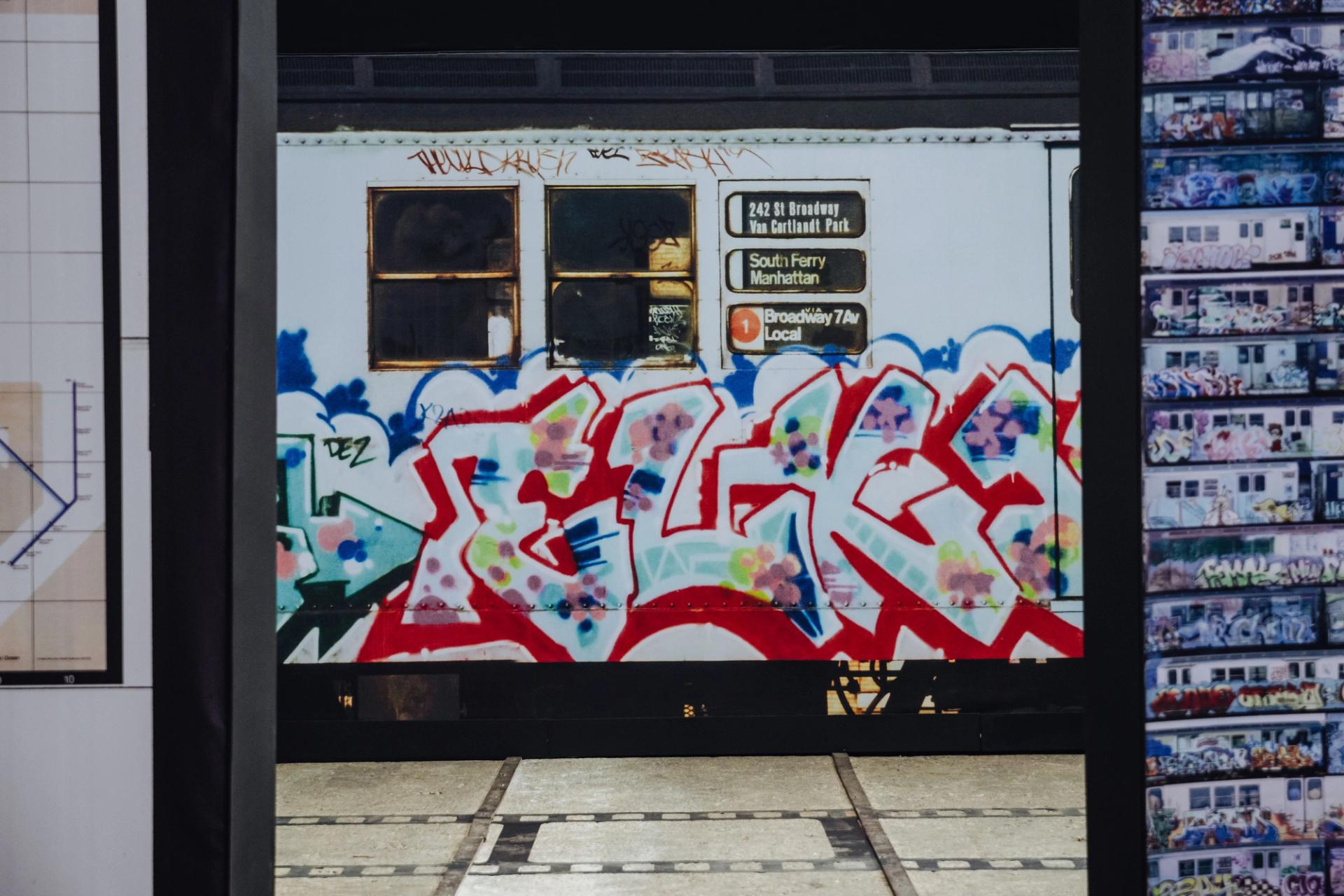
Subway art on show at STRAAT Museum in Amsterdam
Chalfant, a Stanford-educated sculptor who moved to New York from suburban Pittsburgh in 1973, was initially an outsider to the culture he documented. He was a white, middle-class artist photographing a scene that was predominantly Black and Latino and rooted largely in New York’s outer boroughs. At first, the writers thought he was a policeman. It took two years before one approached him, eventually taking him to the “writer’s bench”, where graffiti artists gathered at 149th Street to exchange ideas, watch trains and, sometimes, settle disputes.
Chalfant says the graffiti scene’s demographic was diverse. “It was never entirely Black and Latin,” he says, pointing out that some writers came from wealthy Jewish families or attended elite New York public schools. Nor was the Black and Latino experience monolithic. Some writers came from profoundly impoverished circumstances; others did not.
What outdoubtedly united them, he argues, was the risks they all took for their art form. “They were all undergoing the same difficulties and dangers and work to do it,” he says. “There was a commonality there, which overtook the original differences and divisions.”
He is equally wary of the now familiar idea that graffiti was simply one of the four pillars of hip-hop. According to Chalfant, the history was messier. Some writers listened to heavy metal; others were devoted to R&B. Blade, one of the most important artists Chalfant photographed, had little connection with hip-hop.
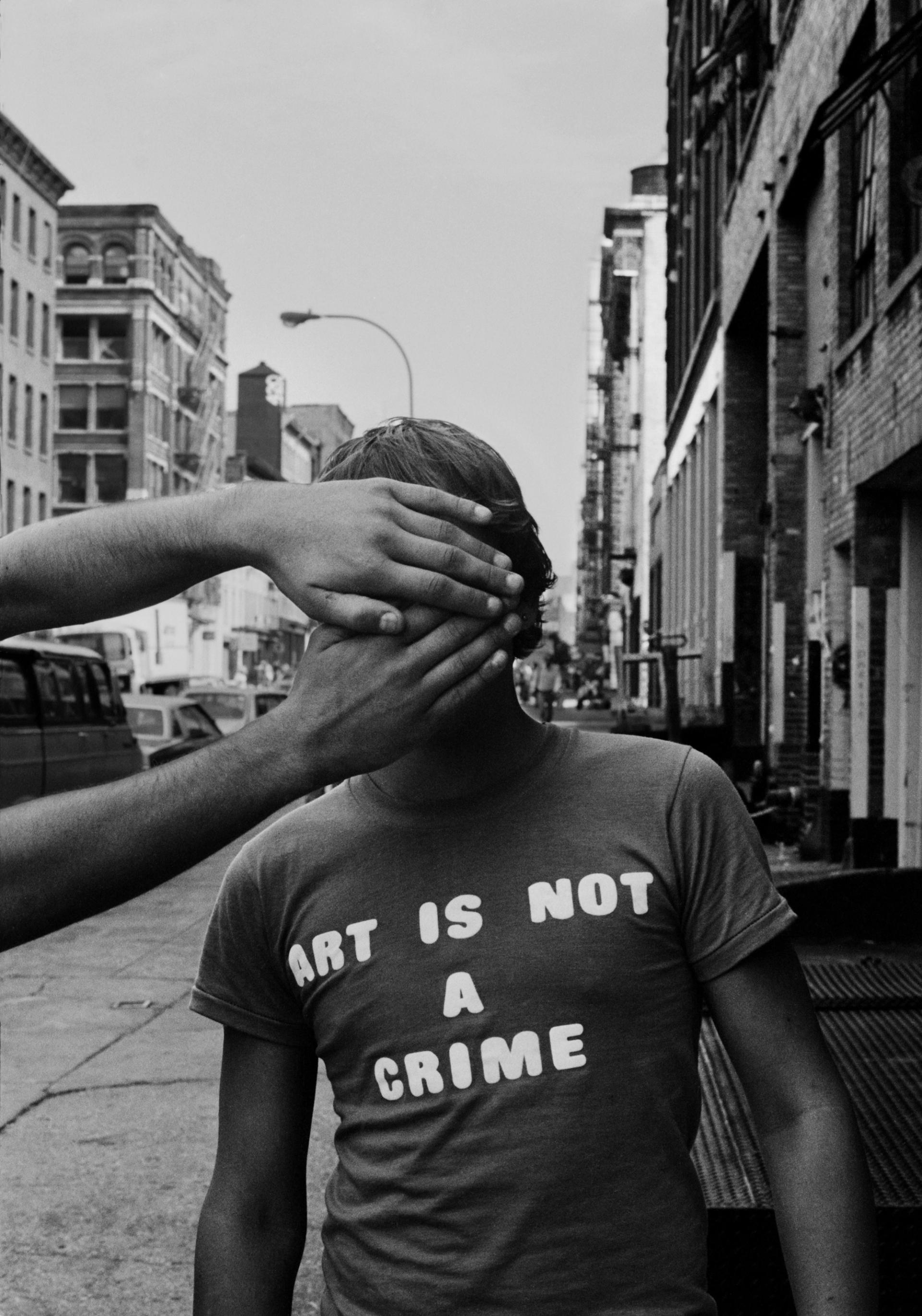
Photograph by Henry Chalfant of a New York City street scene
Those nuances are also important in understanding what happened when graffiti began moving into the art world. The transition started surprisingly early. By the late 1970s, commercial galleries were exhibiting writers, while artists were travelling to Europe. By 1980, Chalfant remembers a group of writers discussing how they might keep control of the emerging market collectively, to protect themselves “against the onslaught of capitalism”.
That didn’t happen. “The first time somebody was offered a [commercial] show, they went for it,” Chalfant says. “They weren’t going to say, ‘Well, no, I’m not going to do it. I’m a purist.’”
Today, street art is big business. Banksy’s works have fetched multi-million-dollar prices on both the auction and private markets, while the top muralists can command up to $100,000 for a large-scale commission.
STRAAT is another a case in point. Launched in October 2020 by the entrepreneur and landowner Peter Hoogerwerf in an 86,000 sq ft former ship-welding warehouse in the NDSM district, the museum stands as testament to a longstanding graffiti scene in Amsterdam. In 1984, Chalfant exhibited his photography at the city’s Yaki Kornblit’s gallery, which prompted young visitors to reproduce the images and circulate them among friends and other graffiti writers. From Amsterdam, the works travelled through growing networks of artists, sowing the seeds of street art culture across Europe.
The sprawling museum, which is led by Marion Wolff—formerly of the Van Gogh Museum—features a semi-permanent exhibition with more than 180 works by around 170 international street artists. Most murals are painted onto enormous canvases and leased to the museum for 25 years, so artists retain IP rights. All commercial opportunities are fielded by STRAAT.
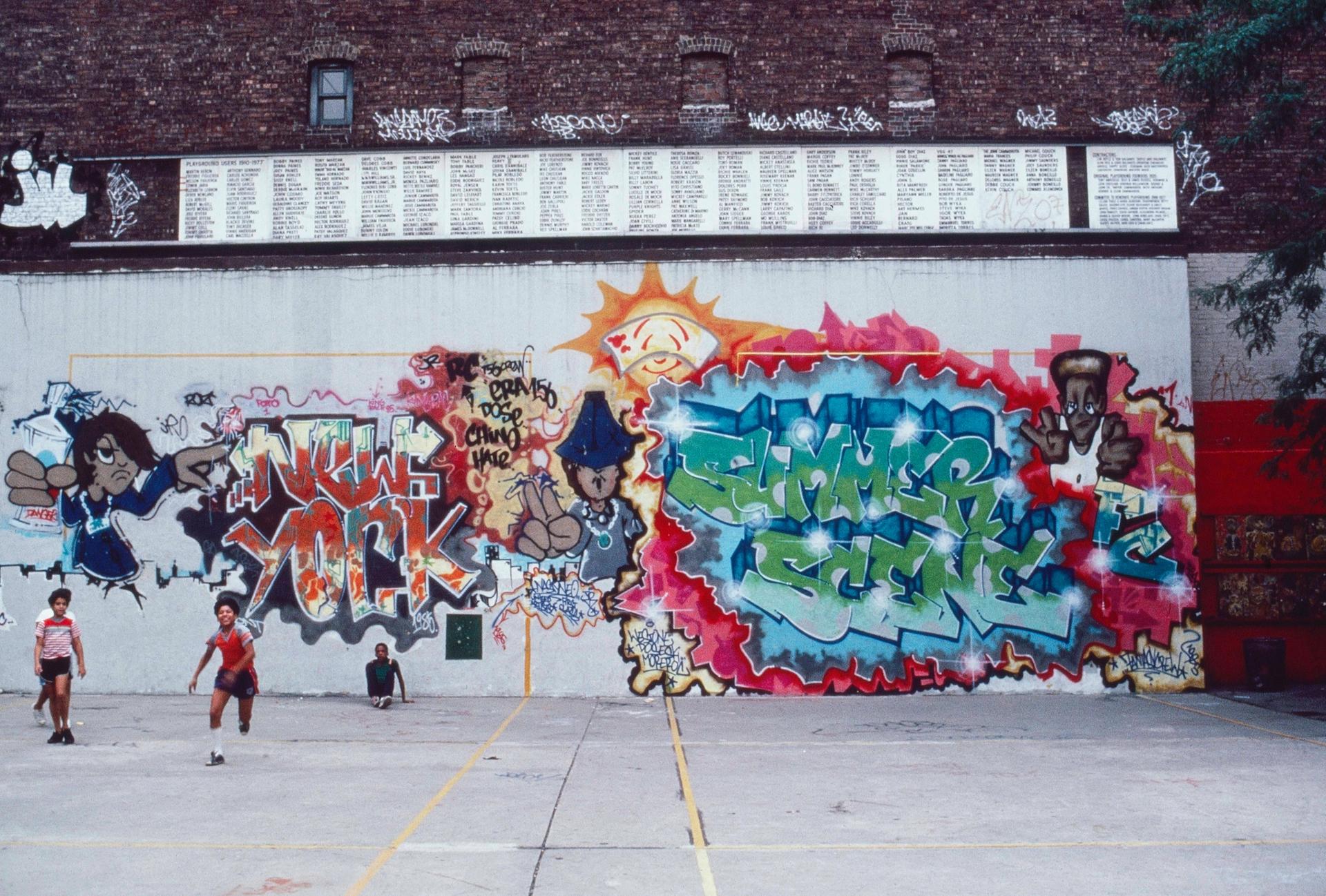
An early mural captured by Henry Chalfant in the late 1970s
Chalfant welcomes the commercial success that some street artists now enjoy. “Why not?” he says of artists earning substantial sums for murals. “When you think of what people get paid that in the ad industry, it’s totally justified.”
He also recalls how Jean-Michel Basquiat and Keith Haring emerged from the same downtown scene as Rammellzee, A-One, Toxic and other writers—though their career trajectories were already notably distinct by the early 1980s. “There were stories of collectors arriving by limousine and having chauffeurs cut Haring’s drawings from the walls,” Chalfant remembers.
Though street art may have been moving into more mainstream circles over the past couple of decades, Chalfant believes there is something about the medium that still resists commercialisation. Established artists continue to paint illegally, he suggests, because “that’s the only time they are really free”. In an era of decreasing freedom of speech, not least in Donald Trump’s America, that is “more important than ever”, Chalfant says.
- Art is Not a Crime, STRAAT Museum, Amsterdam, until 13 March 2027