

Maybe it is the French connection, maybe the current allure of heritage or the opportunity to rejuvenate an artistic genius, but since LVMH acquired Tiffany & Co in 2021, the creative impulse guiding the jewellery strategy at the quintessential American house of luxury has come from the work of Jean Schlumberger (1907-87).
The French-born artist, who moved to New York after the Second World War, was hired in 1956 by then-chairman Walter Hoving as Tiffany’s first named designer. Schlumberger had gained a reputation among new York’s social elite—Babe Paley, Gloria Guinness, Diana Vreeland—as the creator of artistic, imaginative, individualistic jewels, flights of fantasy that both captured the mood of the moment and expressed the sophisticated taste of the great mid-century style leaders.
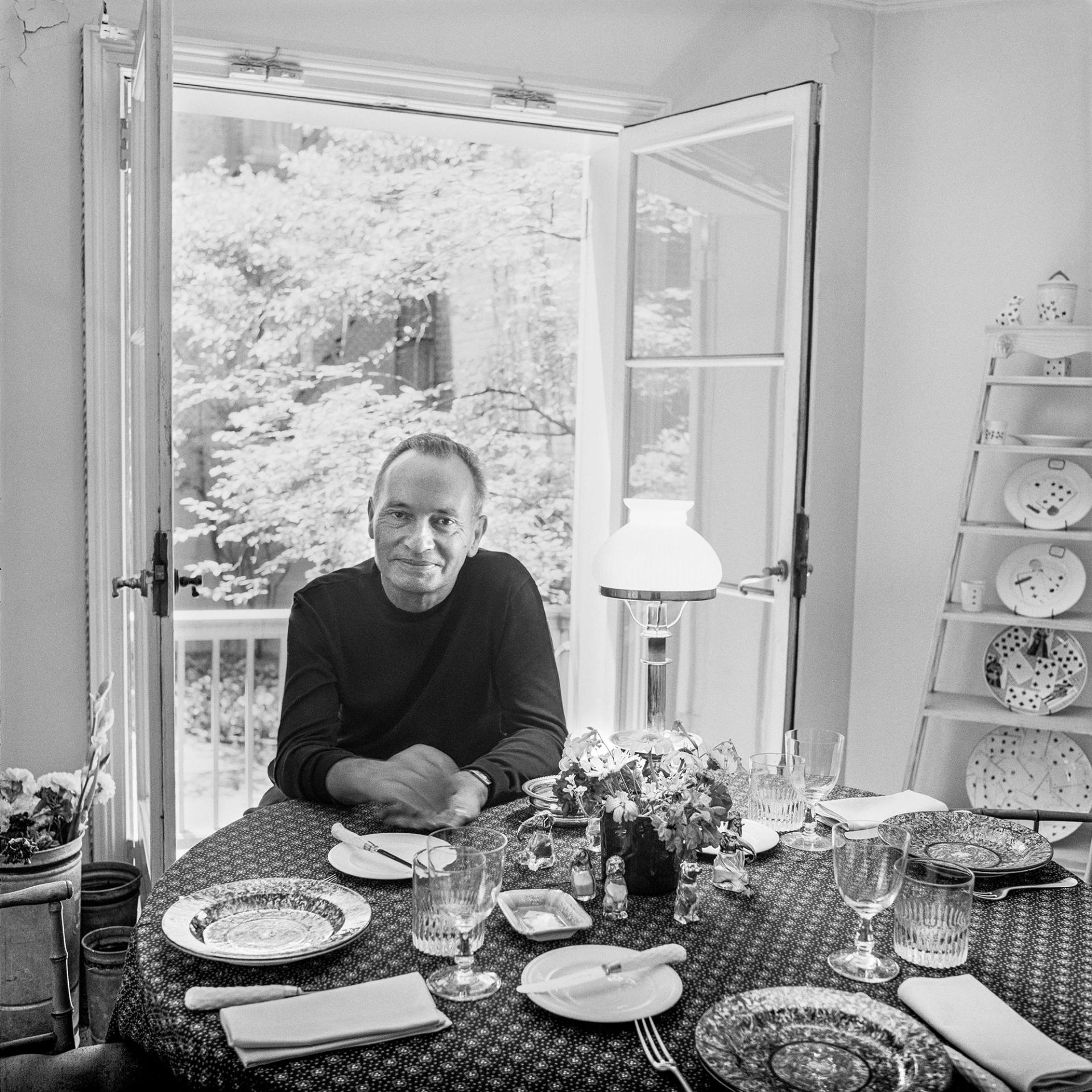
Jean Schlumberger at home in 1965. The photograph was taken by Bruce Davidson for American Vogue
Photo © Bruce Davidson/Magnum Photos, USA, courtesy Tiffany’s
These qualities, ignited by a certain whimsical dynamism, give Schlumberger’s jewels a timeless modernity that has been explored again in recent Tiffany high jewellery collections: this year’s Hidden Garden collection, with its flowers, butterflies, bees and theme of quiet transformation; the 2025 collection Sea of Wonder, which dives into Schlumberger’s fascination with ocean life; and 2024’s Céleste, a contemplation of the cosmos, stars, skies, heavens. All three collections refer back to Schlumberger’s own inspirations. Meanwhile his most famous creation, Bird on a Rock—the chirpy cockatiel perched on a chunky gemstone that made its first appearance in 1965—is reimagined in endless ingenious ways to become the lynch-pin that connects both the high jewellery and fine jewellery collections. Its iconic status is particularly reaffirmed by the 2026 one-of-a-kind special-edition Legendary Bird brooch, centred on a sumptuous sapphire, framed by black opal doublets forming a stylised orchid, against which fly two little mother-of-pearl-winged birds.
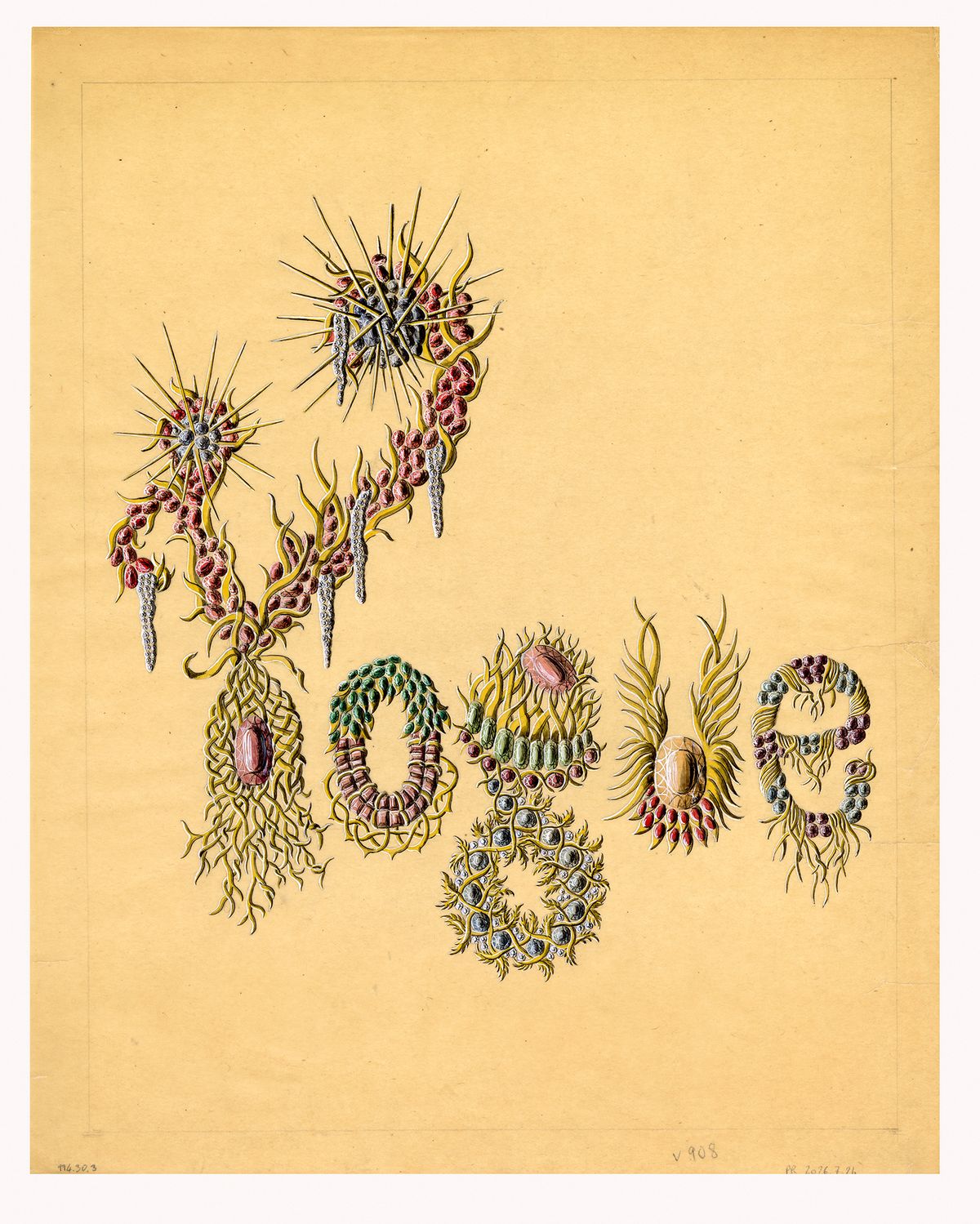
To bring Schlumberger’s enduring legacy to life, Nathalie Verdeille, Tiffany’s chief artistic officer, working closely with its chief gemologist Victoria Reynolds, regularly turns to the archival designs, gouaches and sketches made by the artist throughout his working life. Many are in the Tiffany archives, from Schlumberger’s time with the maison, and many more are held by the Musée des Arts Décoratifs, Paris.
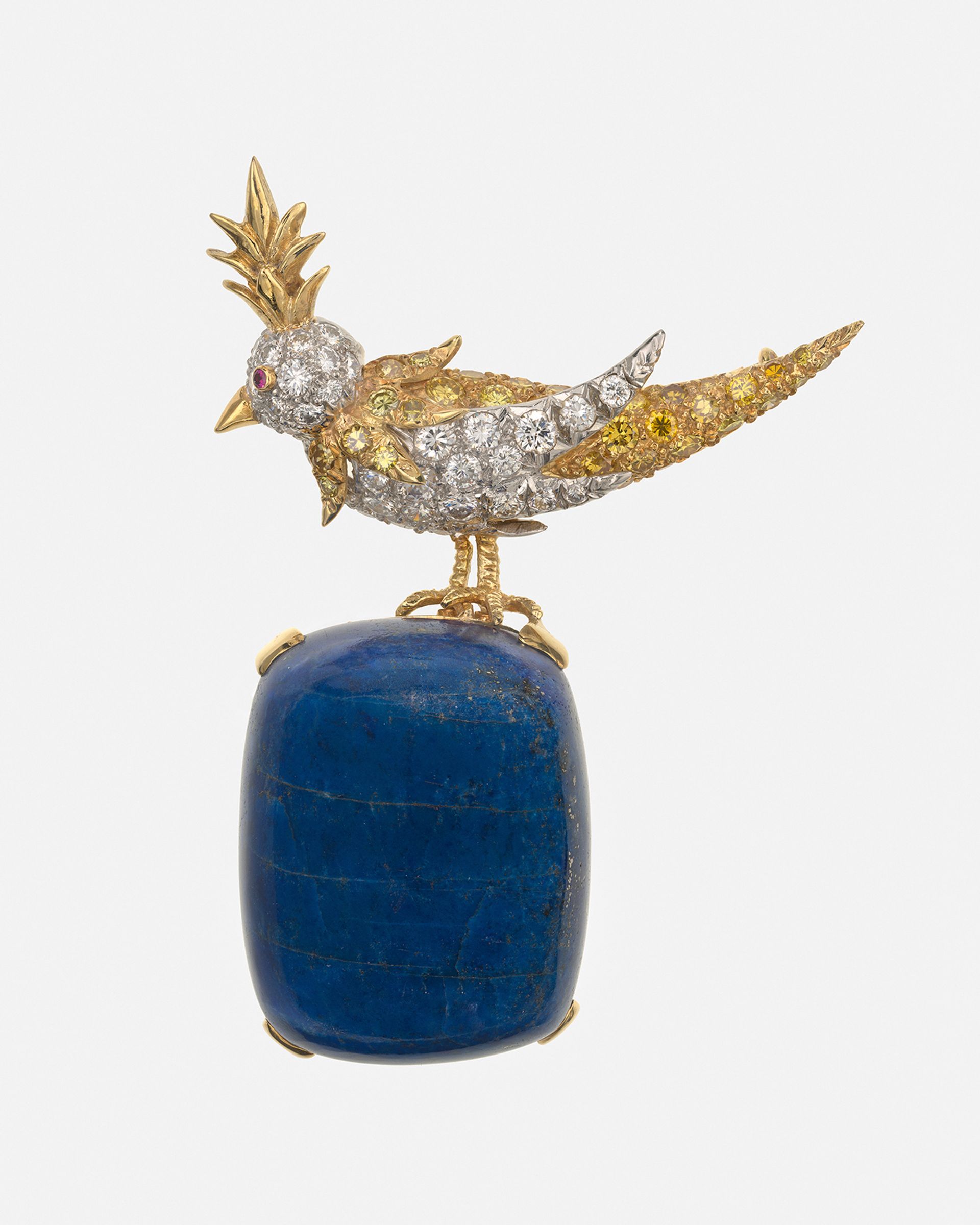
Bird on a Rock, Schlumberger’s most famous creation
The Virginia Museum of Fine Arts/Estate of Mrs Paul Mellon
“Schlumberger is an inexhaustible source of inspiration,” says Reynolds. “Studying Schlumberger’s archival renderings in their purest form—pencil renderings—allows us to better understand his vision. They are a key to our future; they inspire us to dream.”
Conservation project
Now, in an intensive, four-year project, Tiffany has formed a partnership with the Musée des Arts Décoratifs to fund the restoration, preservation and conservation of more than 5,000 Schlumberger designs, sketches and gouaches in the museum’s collection, and another 5,000 personal documents, charting his personal and professional life. The project launched during Paris fashion week (28 September-6 October), at an event at the museum where a sample of designs and documents, along with a selection of jewels and objects from the Mellon Collection in the Virginia Museum of Fine Arts, Richmond, were shown. These included the Jasmine necklace, a rivière of coloured sapphires, from which grow lively diamond jasmine blossoms, and the pair of butterfly bracelets, the winged creatures hovering en tremblant over a garden of coloured gems.
Rachel Lambert (“Bunny”) Mellon, the art collector, philanthropist and horticulturalist, was a client and close friend of Schlumberger, having met him in 1950, before he joined Tiffany. He helped design the gardens of her Oak Spring estate in Virginia, and she owned over 100 of his jewels and objects. It seems likely that Bird on a Rock was designed with Mellon in mind; in correspondence with her, the artist refers to himself as the bird, a companion to the bunny, both sketched on a note sent from Paris. This letter (in the Virginia museum archives) is just the kind of document, along with sketches, notes and photographs, that will illuminate Schlumberger’s life.
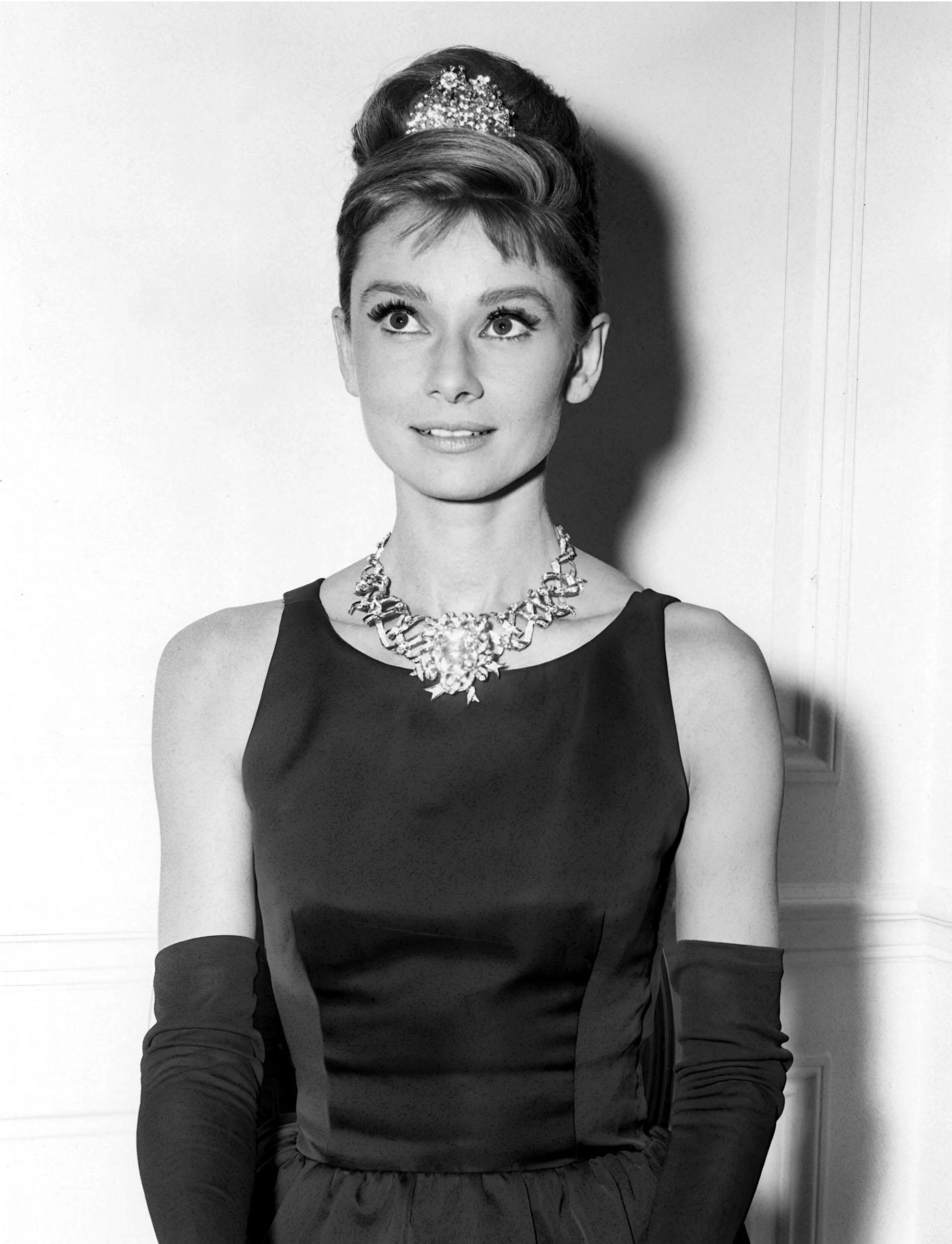
Audrey Hepburn wore a Schlumberger-designed necklace for the promotional shoots for Breakfast at Tiffany’s
Photo: Alamy Stock Photo
Schlumberger was born in Alsace, eastern France, into a wealthy family. His father was a successful textile manufacturer who expected his son to pursue a career in business or banking. But Schlumberger knew he would follow a different, artistic path, and having left a bank job in Berlin, made his way to Paris in the late 1920s to immerse himself in the city’s creative maelstrom and be part of the Jazz Age’s heady mix of art, fashion, literature, music.
The protagonists of les années folles embraced originality and cherished freedom, and Schlumberger followed their lead. He took various jobs, including director of perfumes for the couturier Lucien Lelong, and in his spare time frequented the flea markets where he picked up fragments of coral, shell, cameos and Meissen porcelain, which he then turned into fashion jewellery—a massive craze at the time. His inventive ornaments were worn by his wealthy friends, including Natalia Paley, Daisy Fellowes and Baba d’Erlanger.
Fantasy buttons and couture jewels
Sometime around 1936-37, a pair of Schlumberger’s earrings worn by the elegant Marina, Duchess of Kent, attracted the attention of Elsa Schiaparelli, who immediately commissioned him to make fantasy buttons and couture jewels for her collections, including the now famous acrobat buttons for her 1938 Circus collection. His whimsical jewels drew the attention of Vreeland, then at Harper’s Bazaar, who became a lifelong friend and supporter.
In the late 1930s, encouraged by his client-friends, Schlumberger started to make precious jewellery, including a diamond brooch for Fellowes. The collaboration with Schiaparelli had brought him success and renown, in both Paris and New York, where he spent some time, before moving back to Europe in 1941 to join Charles de Gaulle’s Free French forces. In 1946 he returned to New York, with his friend and business partner Nicolas Bongard (the nephew of couturier Paul Poiret), and they opened a small salon on East 63rd Street, making jewellery for his society friends and clients.
A self-taught designer
As a self-taught designer, unfettered by the convention and tradition that a formal training can impose, Schlumberger infused his precious jewellery with all the freedom and fantasy, the wit and whimsy, of fashion jewellery. Rejecting cool, mechanistic, monochrome Modernism, he introduced colour, movement, volume and life—sun-yellow gold, multicolour gems, vibrant enamels. He loved the paillonné enamels that glinted with gold foil inclusions, which he applied most famously to the croisillon bangles worn by Jackie Kennedy, who became a close friend. His depictions of nature, gardens, sea, sky, flora and fauna were unsentimental, exuberant, bursting with energy, yet reined in by an innate sense of elegance and proportion. “I try to make everything look as if it were growing, uneven, at random, organic, in motion,” he once said. “I want to capture the irregularity of the universe.”
At the same time, he layered cultural and historical references, adding textural details of tassels, ropes and ribbons, bringing a unique mix of richness, nobility, nature and fantasy to precious jewellery. He made objects too: gold boxes, shaped like fruit or vegetables, walnuts or pea pods, or woven like baskets. For Bunny he created the Pot de Fleurs, setting a rare and valuable Kashmir sapphire, called The Dancing Girl of India, at the centre of a gold flower planted in garnet soil, in a terracotta flowerpot.
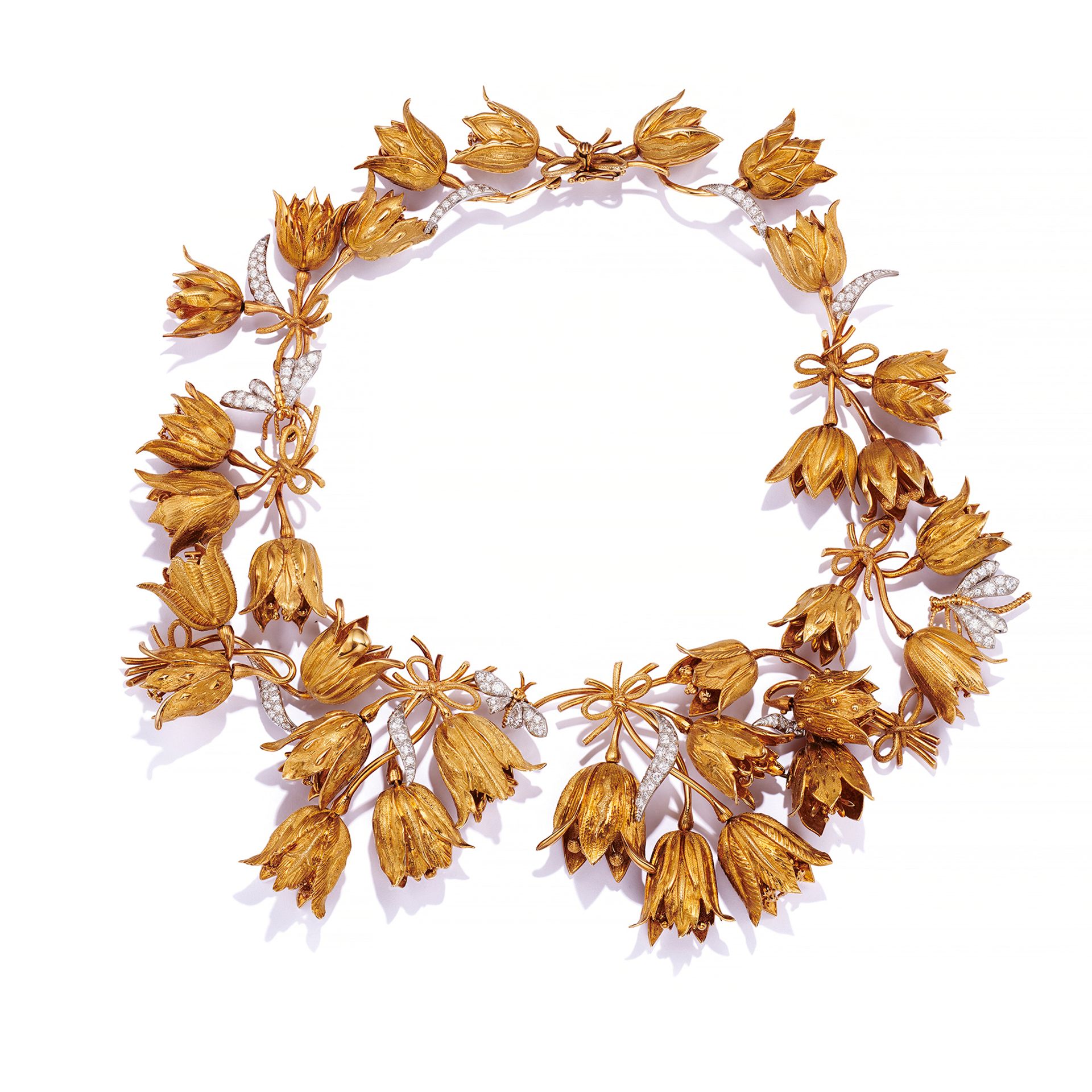
Tulip necklace, originally designed by Schlumberger
Photo: the Tiffany Archives, courtesy Tiffany’s
In 1956 Tiffany made Schlumberger and Bongard an offer they couldn’t refuse: their own department on the mezzanine level of Tiffany’s Fifth Avenue store, a studio, access to Tiffany’s gemstone treasury, and skilled artisans to bring Schlumberger’s dream concepts to life. In his atelier, he sketched designs on tracing paper and taught himself the art of gouache painting. He was one of only four designers that Tiffany has allowed to sign their work (the others were Paloma Picasso, Elsa Peretti and Frank Gehry).
Johnny, as his friends called him, while shy and reserved, became a high-profile member of New York high society. He lived in a 19th-century wooden house on East 92nd Street, and travelled to Bali, India, Thailand and Guadeloupe, where he also had a house.
Set no limits
In Schlumberger’s work, Verdeille and Reynolds find the perfect fusion of heritage and modernity, classic and contemporary. “He inspires me to search for unexpected colour-and-gemstone combinations and to not set any limits for myself,” Reynolds says. “He was a true artist, who began each design with a drawing, many of them conceived during his travels around the world. He possessed an incredible ability to infuse nature’s creatures with elements of surprise and whimsy, while still paying homage to their pure form.”
Verdeille, who came to Tiffany from Cartier, understands the importance of archives, history and heritage in conferring authenticity and legitimacy, and translating the past into the present. She says she “discovers” Schlumberger every day, by contemplating his inspirations, and their place in his life and imagination. She reinterprets the recurring themes—nature, heraldry, rich baroque architectural and decorative elements—with an entirely fresh expression, a mix of dynamism and dreams, newness laced with subtle emotive echoes of the past.
“By celebrating his legacy,” Reynolds says, “we not only pay tribute to a master but also inspire a new generation of designers to innovate while staying rooted in our heritage.”