

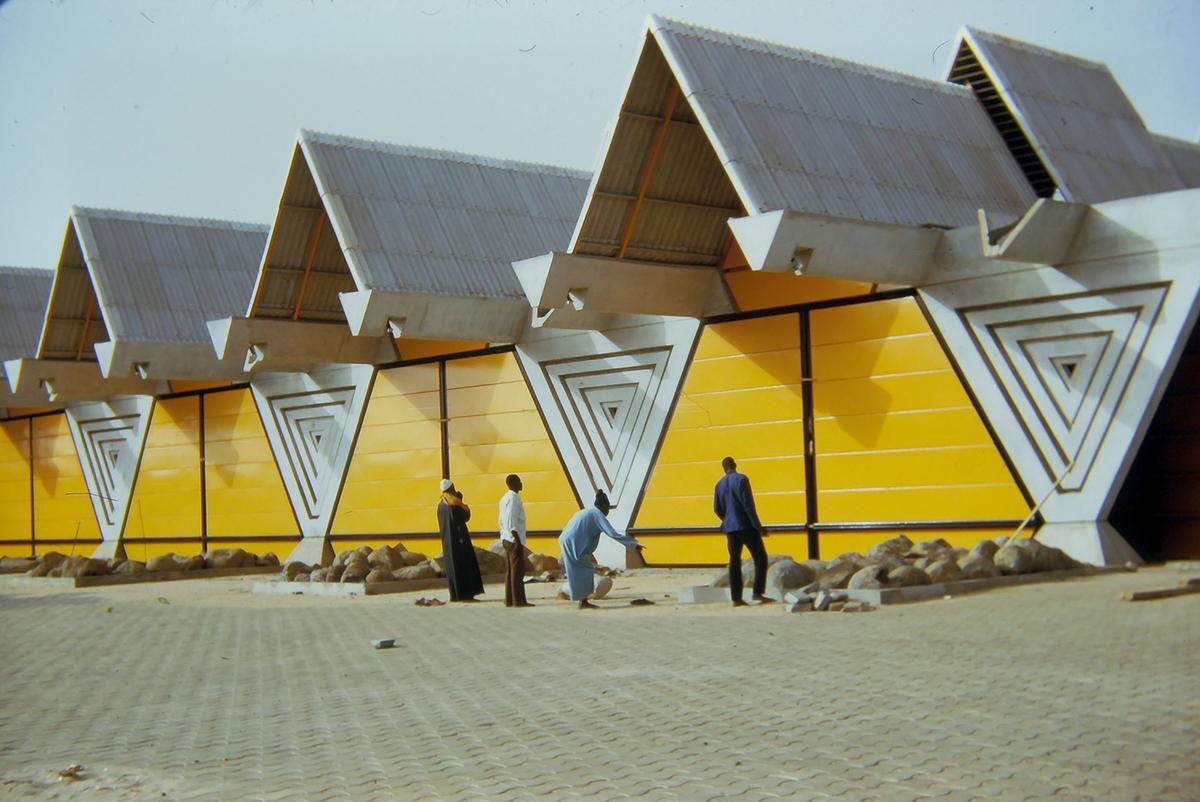
Architects of Liberation: Modernism in Western Africa
Museum of Modern Art, until 2 January 2027
The 1960s were an era of cultural blossoming across West Africa. With 17 nations gaining independence in 1960—joining Ghana, which broke from the UK in 1957—people across the region sought to redefine their place in the world through new and innovative genres of music, dance and visual art that melded local traditions with modern aesthetics. Although often overlooked, creative architecture flourished as well. The first major museum exhibition dedicated to post-liberation architecture in West Africa features 400 objects from Senegal, Côte d’Ivoire, Ghana, Togo, Benin, Nigeria, and Cameroon made between the 1960s and early 80s. Most of these are on public display for the first time. The architectural drawings, models and archival images join newly commissioned photographs and videos to provide a look into the cityscapes inspired by the political ideas of Pan-Africanism and Africanisation. E.G.
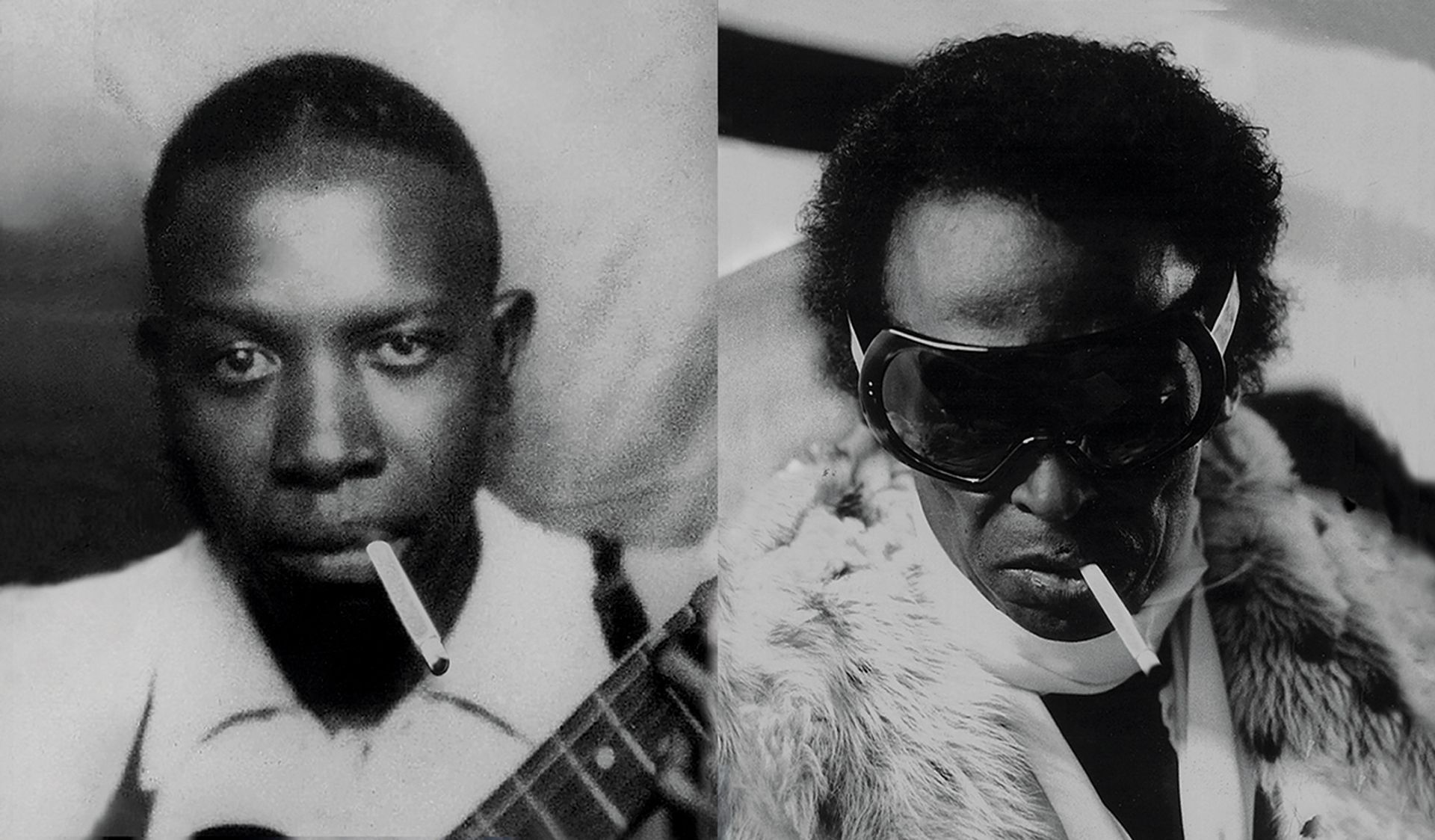
Bloods II (2021), an Epson fine art print mounted on aluminium panel, is one of the standout pieces from Arthur Jafa
© Arthur Jafa, courtesy the artist and Gladstone
Arthur Jafa: I Am Tony
New Museum, 25 September-3 January 2027
Arthur Jafa’s first US museum survey spans two floors of the New Museum’s recently expanded space. Jafa, a devoted music lover who often weaves the emotional works of legendary Black musicians into his videos, named his exhibition after the late jazz drummer Tony Williams—a child prodigy who launched his career playing with Miles Davis as a teenager in the 1960s. I Am Tony covers the breadth of Jafa’s nearly 40 years of artmaking, using the syncopation and texture of jazz to explore Black culture, systemic racism and what it means to be an American. Works on view include everything from early student films to Jafa’s most famous works—Love Is the Message, The Message is Death (2016) and the Golden Lion-winning The White Album (2019). A newly commissioned work will also premiere alongside examples of Jafa’s forays into more static media like painting, sculpture and photography. E.G.
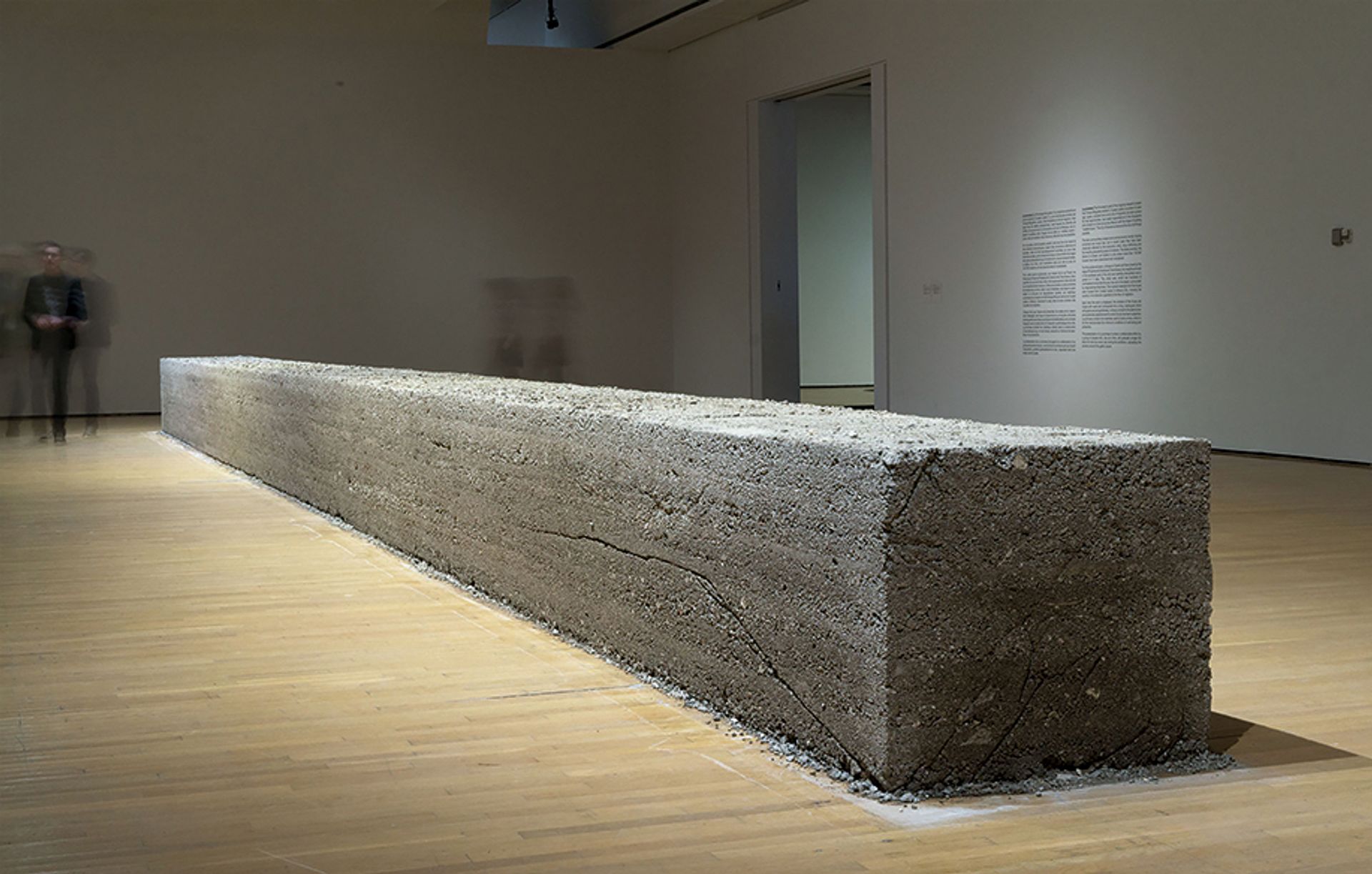
An installation view of Margolles’s La promesa (The Promise, 2012
© Teresa Margolles
Teresa Margolles: En el lugar de los hechos (At the Scene)
MoMA PS1, 24 September-February 2027
The Mexican artist Teresa Margolles’s training as a forensic pathologist informs her art practice, which is often concerned with the everyday impacts and legacies of violence, from her time in the early 1990s with SEMEFO—the death metal band and performance art group she co-founded—to ambitious conceptual installations referencing killings on either side of the Mexico-US border. One of this exhibition’s centrepieces, La promesa (The Promise, 2012), is emblematic of her ambition, precision and interest in forms associated with Minimalism. The piece came out of a long-term research project into the high rates of femicide in Ciudad Juárez, where she acquired a home that had been abandoned by a family along with many of their belongings, disassembled it and put the materials on display in Mexico City. There, participants pulverised the materials into dust, 22 tons of which will be displayed at MoMA PS1 in the form of a low, long monolithic barrier along with documentation of the entire project. In tandem with the exhibition in Queens, a new work, in which water imbued with materials from scenes of violence drips onto seven heated steel plates, will be on view at the Museum of Modern Art in Manhattan. B.S.
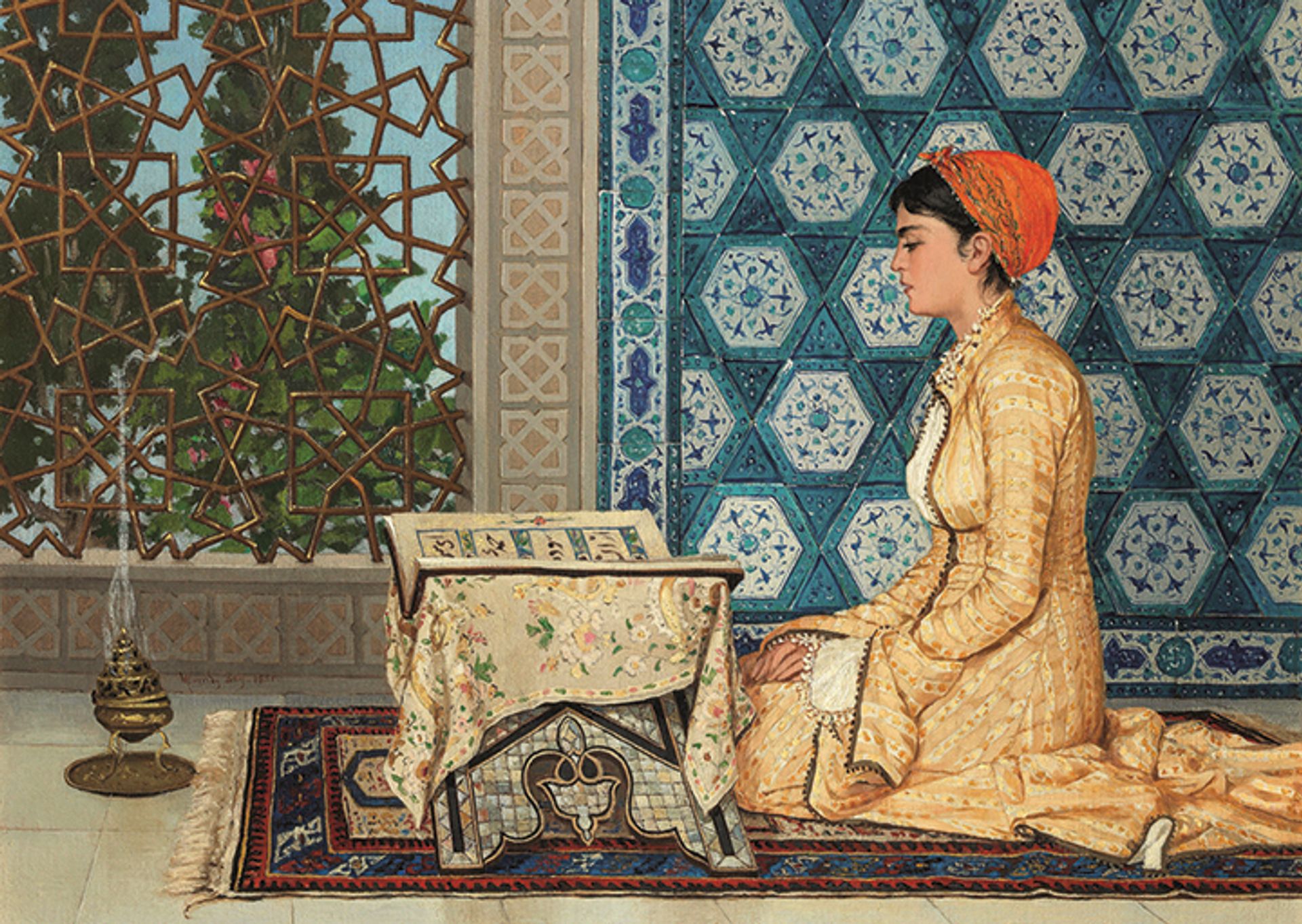
Young Woman Reading (1880), an oil on canvas by Osman Hamdi Bey, is one of 180 objects on show
Islamic Arts Museum Malaysia
Orientalism: Between Fact and Fantasy
Metropolitan Museum of Art, until 28 February 2027
It may come as a surprise that the Met is only now hosting its first-ever exhibition devoted to Orientalism, seeing as its collection is very rich in this category. The show includes 180 objects from 12 different curatorial departments and traces more than a century of Western Europeans interacting with and borrowing from the Islamic cultures of “the East”. From Napoleon’s 1798 conquest of Egypt through the turn-of-the-century paintings of Osman Hamdi Bey, the exhibition includes everything from architectural models to works by Jean-Auguste-Dominique Ingres, Eugène Delacroix and Théodore Géricault. Photographs, drawings, illustrated books, arms and armour, textiles, clothing, ceramics and metalwork round out this multidisciplinary history lesson in 19th-century European colonial aesthetics. E.G.
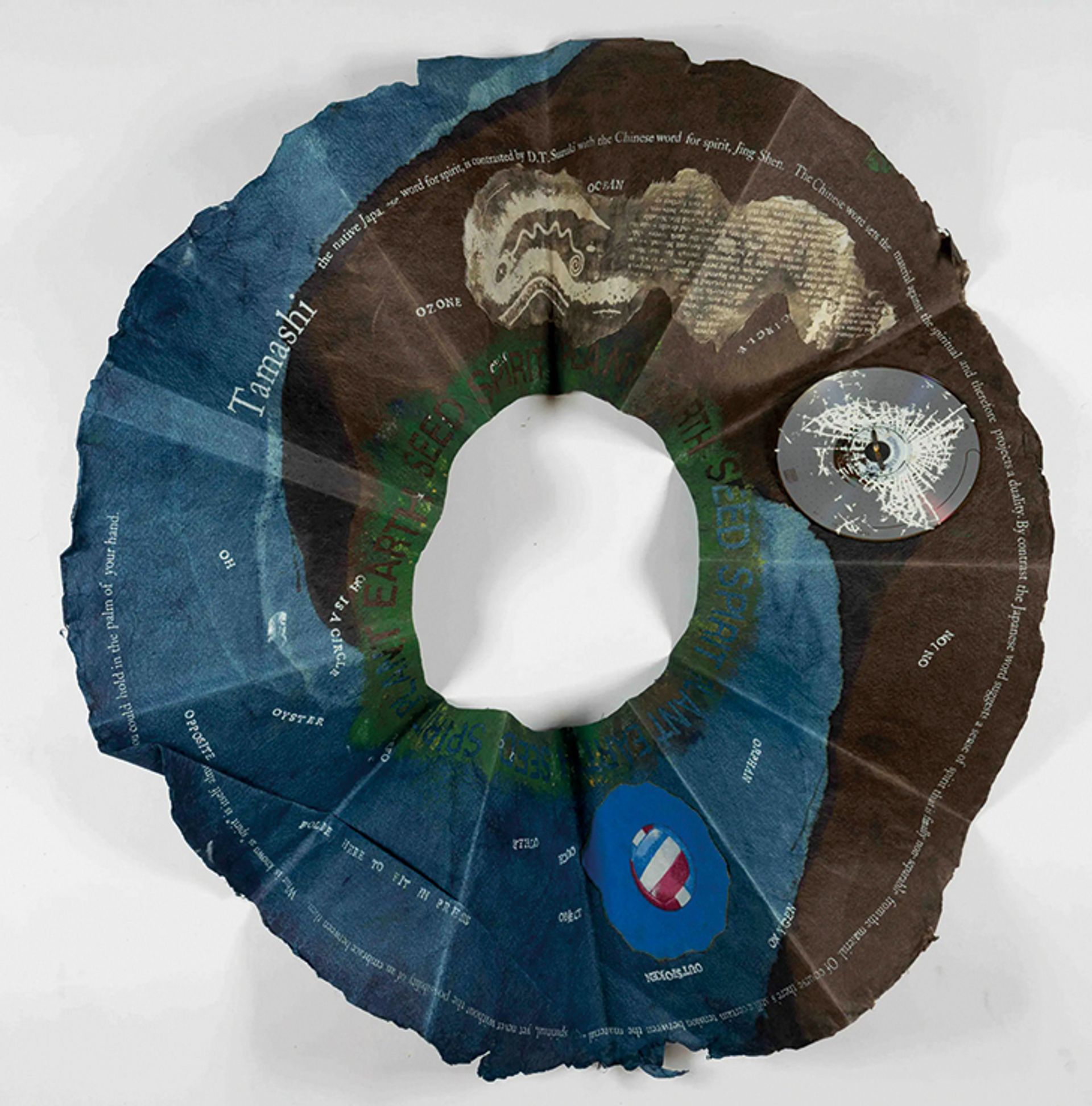
Part of the retrospective is Tamashi (2002), a screen print on indigo- and walnut-dyed handmade flax paper by Alison Knowles and Amanda Degener
Photo David Familian
By Alison Knowles: A Retrospective (1960-2022)
Grey Art Museum, until 30 January 2027
Though she is best known as the only female co-founder of the Fluxus movement, Alison Knowles (1933-2025) was at the forefront of many avant-garde strains in contemporary art for the better part of six decades. This retrospective, organised by the Berkeley Art Museum and Pacific Film Archive, chronicles Knowles’s relentlessly boundary-pushing practice, from early experiments in silk-screening canvases (before Andy Warhol and Robert Rauschenberg embraced that process) to materials and documentation related to her best-known Fluxus projects like Make a Salad (1962), in which she made an enormous salad in time to a live musical score then served it to her audience. The exhibition also brings together works from the 1970s onward, which reflect her interest in eclectic materials and forms, from sound installations and printmaking to bespoke and sculptural musical instruments. B.S.