

A new report by a cross-party UK parliamentary committee has criticised the government Department for Culture, Media and Sport (DCMS), saying that its leadership “appears to have taken an almost hands-off approach to the challenges they face”.
The Public Accounts Committee (PAC), which scrutinises the value for money and effectiveness of spending by UK government departments, said that England's 15 national museums and galleries are being left “vulnerable to a range of issues from threats from cyber security to the physical security of collections, as the government continues to rely on a reactive, rather than a strategic approach”.
The report, entitled “Financial Resilience of government-sponsored museums and galleries”, highlights key concerns. According to the report, the DCMS, led by the UK Culture Secretary Lisa Nandy, does not have a clear picture on whether museums and galleries are delivering value for the taxpayer with the public money it grants such institutions each year.
In 2024–25, the DCMS provided £484m grant-in-aid to its 15 sponsored museums and galleries, amounting to 46% of these museums' total income that year. But the government is failing to monitor how this money is being spent; the report adds: “The department’s lack of leadership is exemplified in its new ‘priority outcomes’, which it set for itself and its arm’s-length bodies in July 2024.”
These outcomes, published by the National Audit Office (NAO), include “growth and good jobs in every place”. In the report, PAC recommends new metrics assessing these outcomes should be in place in six months.
The DCMS’ lack of guidance regarding increasing self-generated income is also addressed. The report stresses that museums and galleries have been successful in generating income through exhibitions, retail and events such as the British Museum’s Pink Ball in October last year. “In 2024–25, their self-generating income was £563 million,” the report states, “a 53% real terms increase since 2021–22.”
“However, there is a lack of leadership from the department, which over-relies on museums’ and galleries’ autonomy and is not taking the initiative to support museums and galleries with their strategic challenges,” it adds.
Museum boards also come under scrutiny; trustee vacancies are a problem, resulting in boards not being “well equipped” to ensure financial resilience. The vacancy rate across all 15 museum and gallery boards in October 2025 was 15%, with the average time taken in 2024–25 to make a board appointment being 219 days, far more than the target of 90 days, adds the PAC document.
The report notes however that the DCMS has made a number of changes to speed up its appointment processes, and is making more, in response to internal and external reviews it has commissioned.
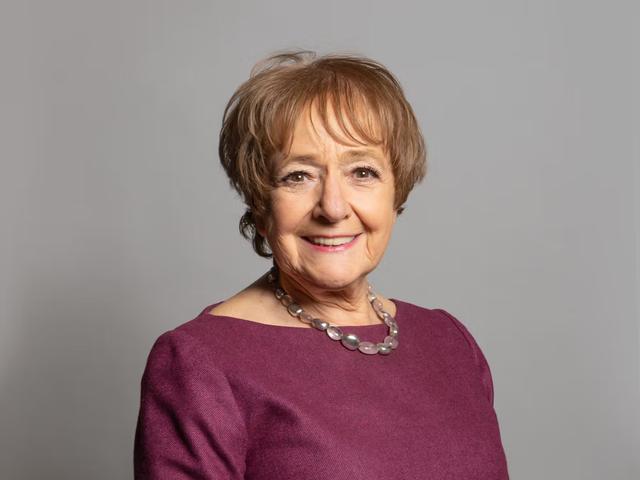
Crucially, the committee also raised the issue of scrapping free admission to national museums with the DCMS (Labour peer Margaret Hodge has proposed a possible admission fee for overseas visitors).
“We asked the department if it was considering charging visitors to museums and galleries. It told us that, while no decisions have been taken, it planned to look at the possibility of charging international visitors and that this was something it planned to explore with the museums and galleries themselves,” says PAC.
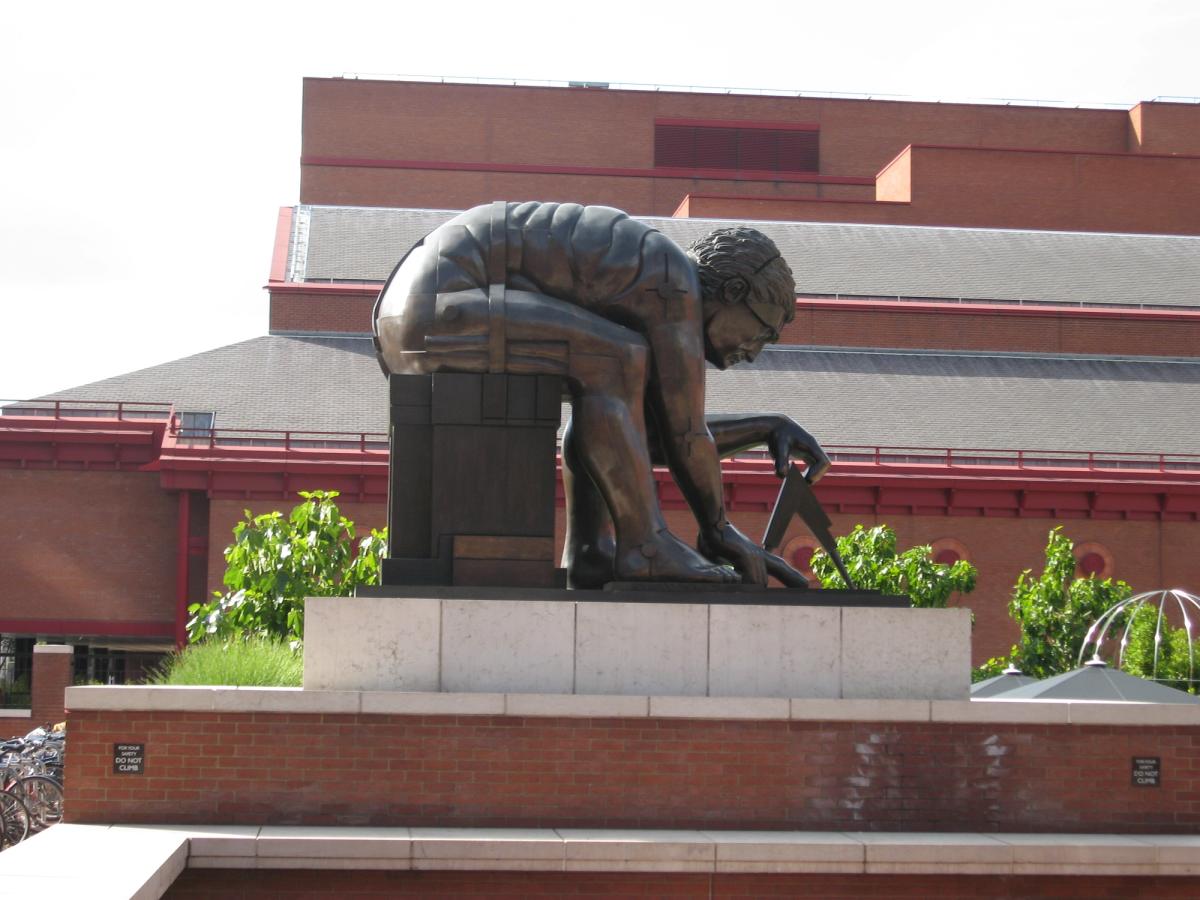
Finally, the PAC report warns that the security of national collections is at risk. “Museums and galleries face significant challenges on cyber-security and the physical security of their collections, as evidenced by the October 2023 cyber-attack at the British Library and the thefts reported in 2023 at the British Museum,” says the report.
Conservative peer Neil Mendoza, the ex-Commissioner for Cultural Recovery and Renewal and Provost of Oriel College, Oxford University, tells The Art Newspaper: “I think the PAC report is missing key aspects of the very unusual relationship between government and arts institutions.
“The national museum relationship—plus the relationship between the government and the British Library and Historic England—is completely different to any other cultural form. It relies on agreed freedoms and the arm’s length principle. In my view the department gets that right. This report doesn’t grasp the relationship between the DCMS, the nationals and the wider museum sector.”
In response to the report, a DCMS spokesperson told The Art Newspaper: "DCMS maintains a close working relationship with our national museums and galleries on individual and collective issues, to ensure that they continue to provide value for money for the taxpayer.
"We are taking a number of concrete steps to strengthen our oversight following the National Audit Office report into financial resilience across our national museums. We will consider the Public Accounts Committee's recommendations and respond in due course."
Earlier this year, an NAO report on the financial resilience of UK museums funded by the state warned that “cost-containment measures” adopted by the institutions “can only go so far” in the face of dwindling government subsidies and external factors such as tourism costs.
Meanwhile, the resignation of Keir Starmer earlier this month as leader of the Labour party paves the way for a new Prime Minister. Government departments may be overhauled and a Cabinet reshuffle may be imminent if Andy Burnham, the frontrunner to replace Starmer, takes charge.