

As celebrations of the US’s semiquincentennial kick into gear, many of the historical sites that recognise the country’s diverse, complex history are in peril.
The annual list of America’s 11 Most Endangered Historic Places was released Wednesday by the National Trust for Historic Preservation. This year, the list concentrates on sites that reflect the assertion in the country’s founding document that all people are “created equal”. The sites range from gathering spaces used for organising for equal rights to places of worship that once served as refuge for their communities. Yet federal censorship, development, neglect and shortfalls of funding have put them all under threat.
“Even as the American people prepare to commemorate the nation’s 250th anniversary, consequential historic places are at risk, some through intentional erasure, others from short-sighted development plans, and still others from deterioration or neglect,” Carol Quillen, the president and chief executive of the National Trust, said in a statement. “This year, we honour our Declaration of Independence and the living power of its aspirations by highlighting at-risk sites where the fight for equality happened, and by recognising the heroes whose commitment, resilience and moral courage can inspire us today to continue to build a more perfect union.”
The sites include those that have come into the spotlight recently, as the Trump administration’s executive orders target diversity, equity and inclusion initiatives and representation of history in public monuments that “inappropriately disparage Americans past or living”.
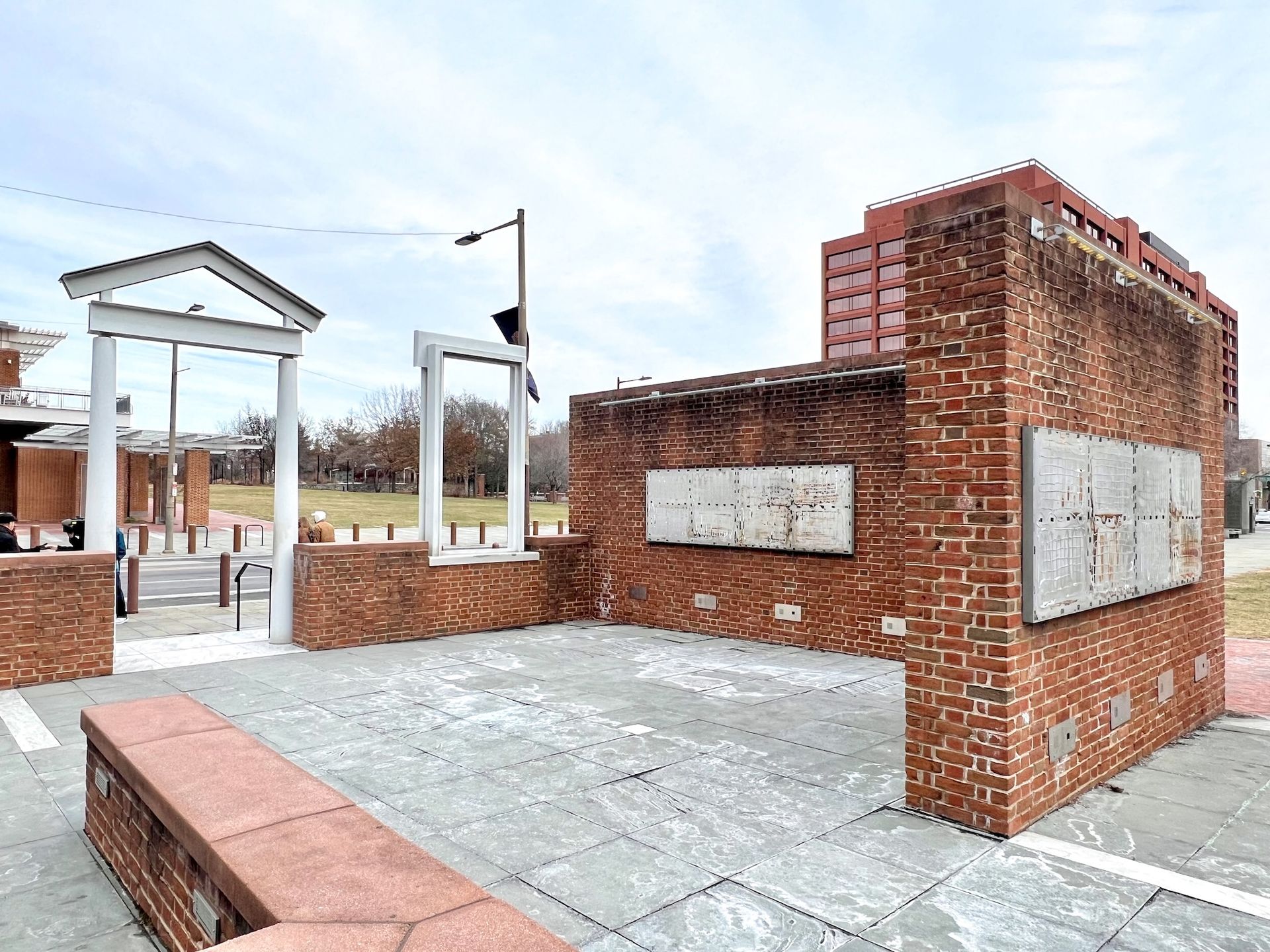
The President’s House Site after historic interpretation was removed, Philadelphia Photo: Michael Bixler
One such example is the President’s House in Philadelphia, an archaeological site of the presidential executive mansion from 1790 to 1800. Panels on the history of slavery in the US and the nine people enslaved by George Washington were removed by the National Park Service (NPS) in January. Although, following a lawsuit filed by the city, many of the panels were reinstalled and a federal appeals court ordered that the site not be further changed, digital images of planned replacement panels released by NPS reduce and soften the references to slavery.
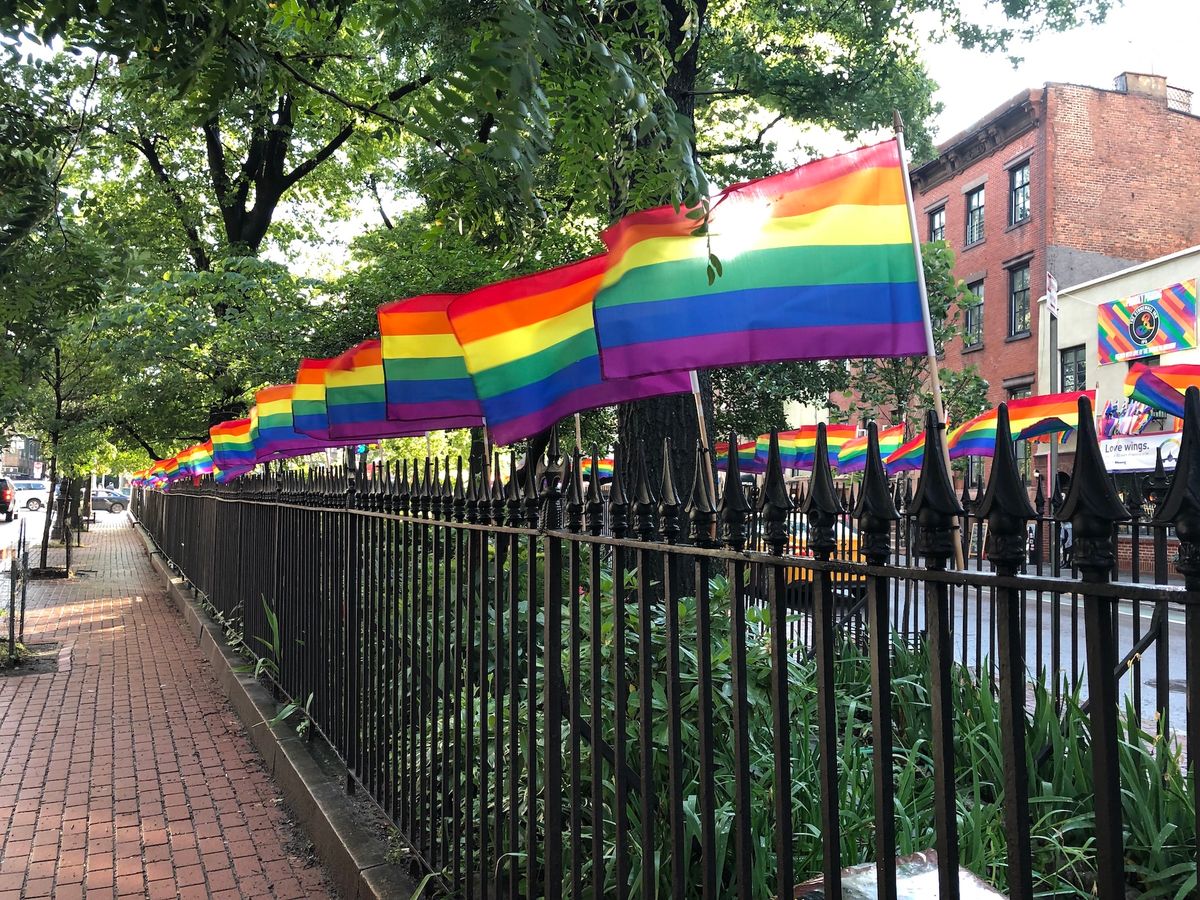
New York City’s Stonewall National Monument, which celebrates a momentous place in the Gay Rights Movement, appears on the list because of recent federal actions undermining representation in LGBTQ+ history, such as the removal of the major role played by transgender people.
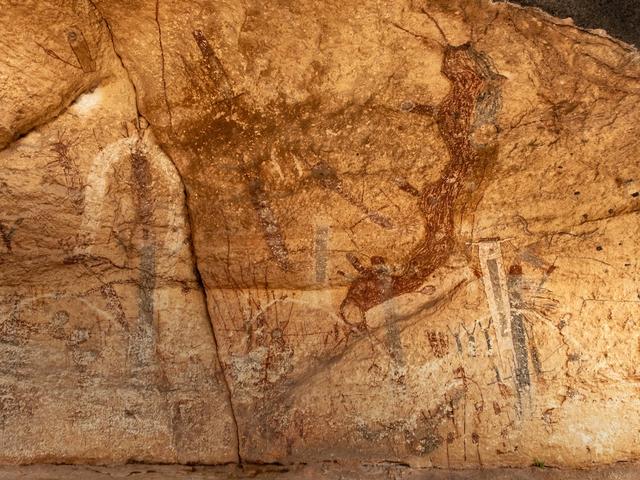
Meanwhile, the Greater Chaco Cultural Landscape—which includes areas of New Mexico, Colorado, Arizona and Utah—is under threat as the Trump administration proposes ending protections that have kept thousands of acres of ancestral lands of the Pueblo and Hopi people from being developed for oil and gas extraction. These public lands are within a ten-mile radius of the prehistoric archaeological sites at Chaco Culture National Historical Park and were promised 20 years of protection by the Biden administration.
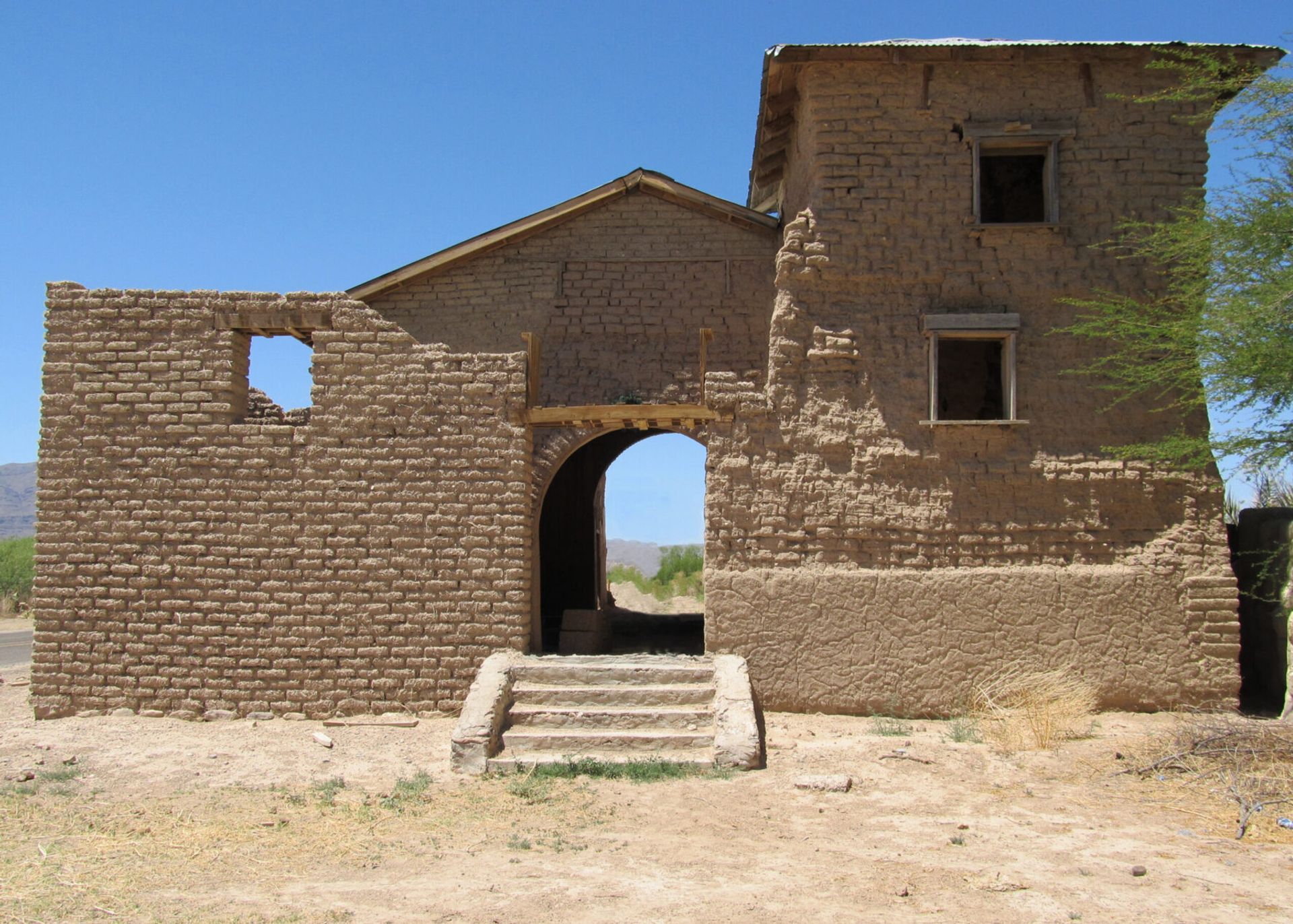
El Corazón Sagrado de la Iglesia de Jesús in 2020, before Friends of the Ruidosa Church began the preservation and restoration project Photo: Sarah Vasquez for Friends of the Ruidosa Church
Other sites are likewise at risk from encroachment from development, such as the Tule Lake Segregation Center in California’s Modoc County. Built in 1942, this was where Japanese Americans who had protested race-based incarceration were held in a maximum-security prison. Just 37 acres of the 1,100-acre site are currently protected, and a proposed airport fence could permanently alter the site.
And in the Texas border town of Ruidosa, El Corazón Sagrado de la Iglesia de Jesús—built in 1915 for the Mexican and Mexican American farmers on either side of the divide—has been disused since the 1950s. While a nonprofit group has come together to care for its adobe architecture, the newly proposed US border wall that would cut through the area threatens its preservation.
Still other sites have lacked funding and systems of support, such as the long-vacant Ben Moore Hotel in Montgomery, Alabama, which welcomed Black travellers during a time of segregation and hosted Civil Rights leaders. After it came on the market last year, putting it in danger of demolition, it was acquired by the Conservation Fund, which protects historic properties until they can be taken over by community partners.
The National Trust’s list started in 1988 and, over the years, has included more than 350 sites around the country to advocate for their preservation. A spokesperson for the National Trust noted of the choices behind this year’s sites: “It’s about striving to accurately show the full, unvarnished historical picture by giving visibility to under-represented groups that used to get glossed out of our history.” Each of the sites listed this year will receive a one-time grant of $25,000.