

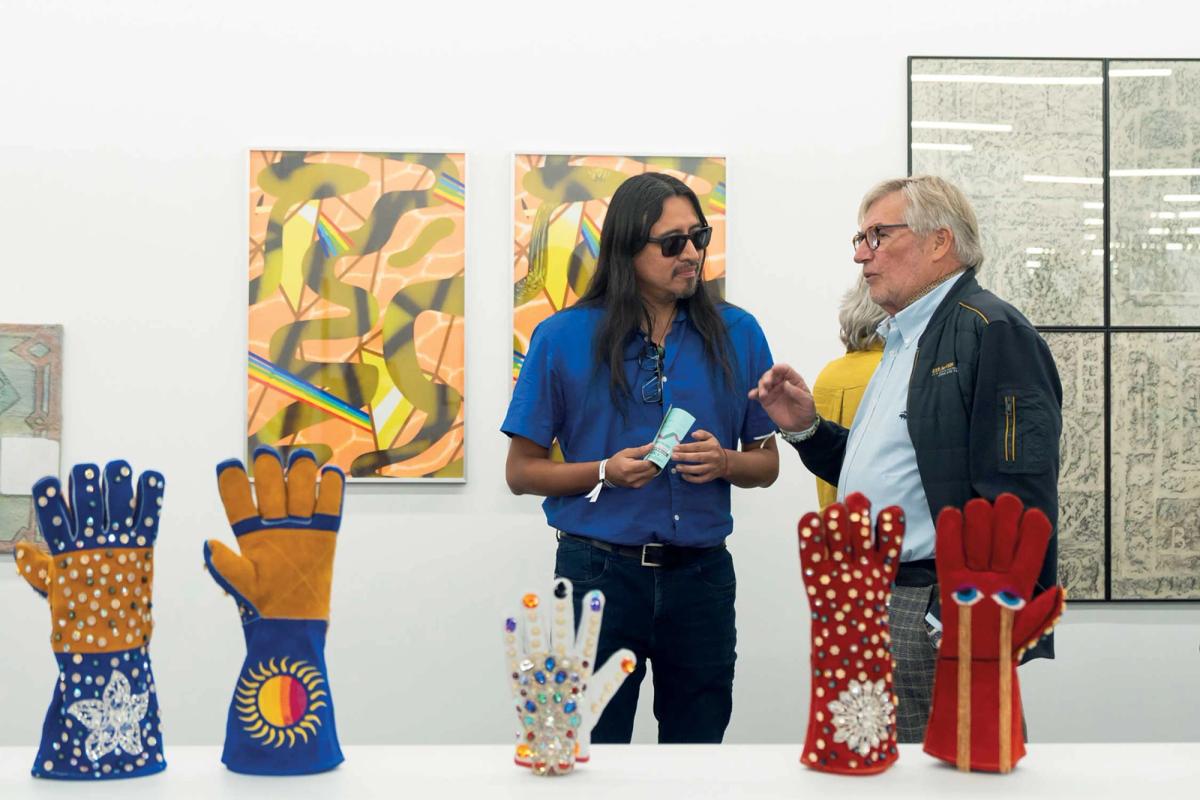
Before Zona Maco’s launch in 2003 consolidated Mexico City as a global arts capital, artist-run spaces like La Panadería and Temístocles 44 attracted a generation of Mexican artists—among them Minerva Cuevas, Sofía Táboas and Pablo Vargas Lugo—interested in developing their practices beyond a commercial context through installations, self-published periodicals and time-based media. In the 1990s, the city’s artist-run spaces created important blueprints for dozens of independent and underground venues that animate the contemporary arts scene across Mexico today. Bold and unconventional works coming out of that ecosystem will be on display across the city at three important fairs during Art Week: Salón Acme, Clavo and Material Fair.
There’s greater creative freedom from artist-run spaces without commercial ends
“There’s much greater creative freedom in works coming from artist-run spaces without commercial ends,” says Ana Castella, the director of Salón Acme (5-8 February), whose Projects sector features solo presentations organised by artist-run spaces. “Acme has always thought of itself as a hotbed, or platform, for emerging artists and other creatives, like curators. In that spirit, we do want to be a space that offers opportunities for projects to become more formal and gain commercial experience without such a large investment risk.”
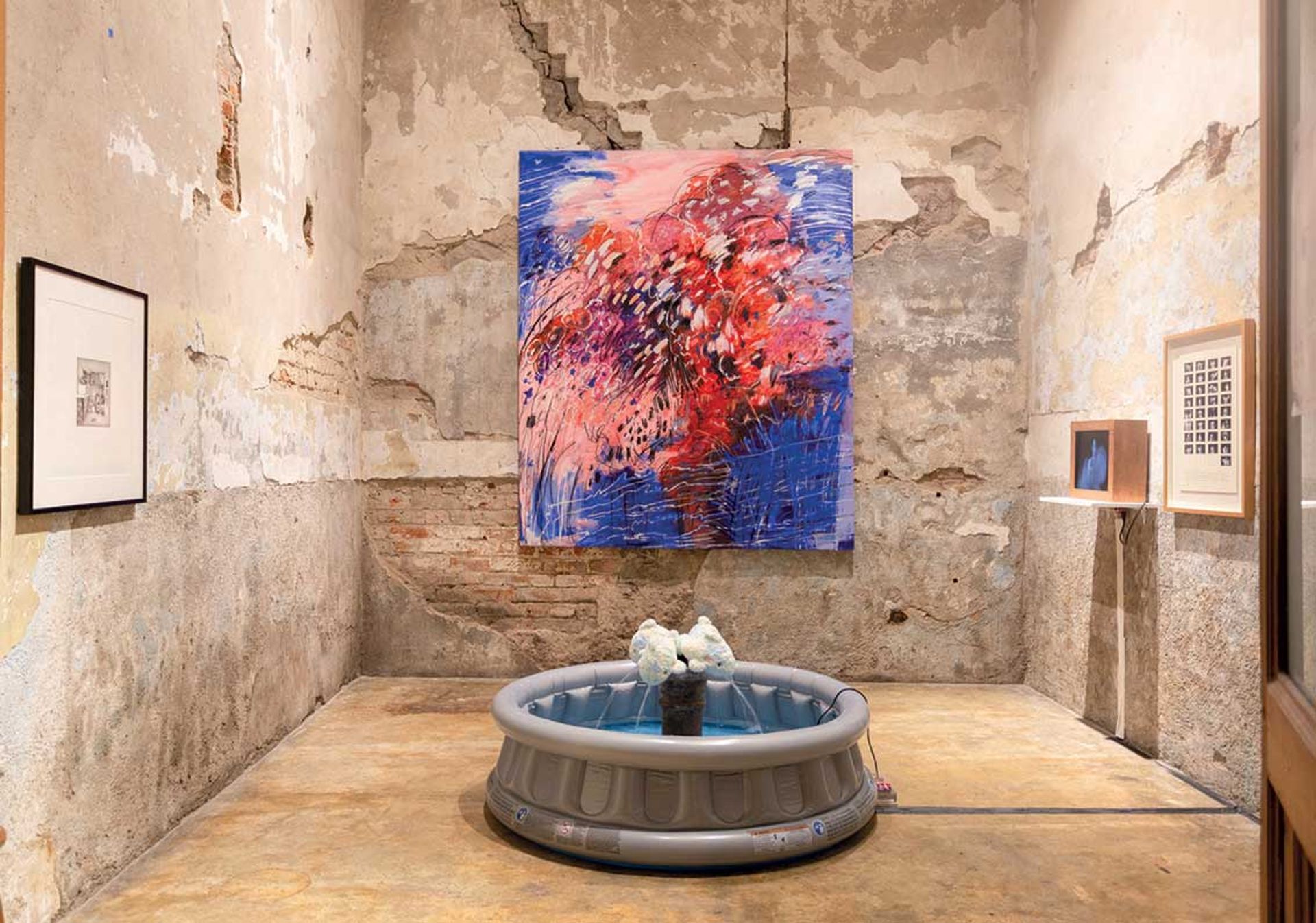
Works from Salón Acme’s 2025 open call included an inflatable by Diego Gónzalez Gómez Courtesy Salón ACME; photo: Alum Galvez
Clavo (6-8 February), run out of a former electrician’s trade school in the hip Colonia Juárez and now on its eighth edition, is one of the youngest fairs taking place during Art Week. It has become an especially important venue for artist-run spaces from the country’s interior (often referred to as provincia, or the provinces) where, unlike the capital, collectors and exhibition opportunities are rare. “As an artist-run space in the provinces, it’s very complex to access Material or Acme. Clavo’s booths are much more accessible,” says Alfredo Esparza, an artist from the Comarca Lagunera region in northern Mexico, whose nomadic project LCPA Laguna is showing at Clavo this year.
With his colleagues Jorge Vargas and José Antonio González, Esparza is also part of Rastro Galería, one of only six selected artist- and curator-run spaces featured in the Projects sector at this year’s Material Fair (5-8 February). Curated by Lorena Peña Brito, Material’s Projects sector is run like a professional development programme: lasting two years, it offers each selected project a small stand at four editions of Material (two in Mexico City, two in Guadalajara) without charge, and includes close mentorship from curators and industry insiders who also serve as members of the selection committee. The programme receives upwards of 70 applications from independent spaces all over the country, and at least half of the selected projects in each cohort operate outside Mexico City or Guadalajara.
“These aren’t exactly galleries yet. What [Material’s] programme does is translate exhibition programmes to the commercial sphere,” Peña Brito says. “We are trying to put Mexico City’s audience within reach of projects in other cities and other contexts.”
Mexico’s ‘decentralisation’
This interest in what is occurring outside the capital reflects a general concern in Mexico for what is known as “decentralisation”. Aware of Mexico City’s enormous gravitational pull, leaders in the contemporary art scene have made sustained efforts to focus attention on artists working in other regions, with the grant-making non-profit Patronato de Arte Contemporáneo (PAC) taking a leading role.
“Material follows PAC’s footsteps in many ways,” Esparza says. Since 2018, PAC’s Nodos programme has fostered conversations in several cities with a burgeoning contemporary arts scene, including Mérida (in the state of Yucatán), Tijuana (Baja California) and Ciudad Juárez (Chihuahua). Artist-run projects from all these cities will be showing at Clavo, Acme or Material this year, reflecting a persistent need for visibility in Mexico City during Art Week for alternative spaces outside the capital.
While all three fairs draw on the same ecosystem, they each respond to different needs. Nico Voegelin, one of the co-organisers of Clavo, sees the fair’s role as supporting projects in their earliest stages. After a few years, “projects will make the jump to Acme or Material”, Voegelin says. “They gain momentum and take flight to other, bigger fairs.”
It helps [artists] combat [our] own navel-gazing. We become less endogamous
Castella of Acme agrees that Clavo is an important proving ground: “Many of our Projects do come from Clavo, later pass through Acme and then go on to Material,” she says. She sees the commercial experiences that artist-run spaces gain during Art Week as crucial to their growth.
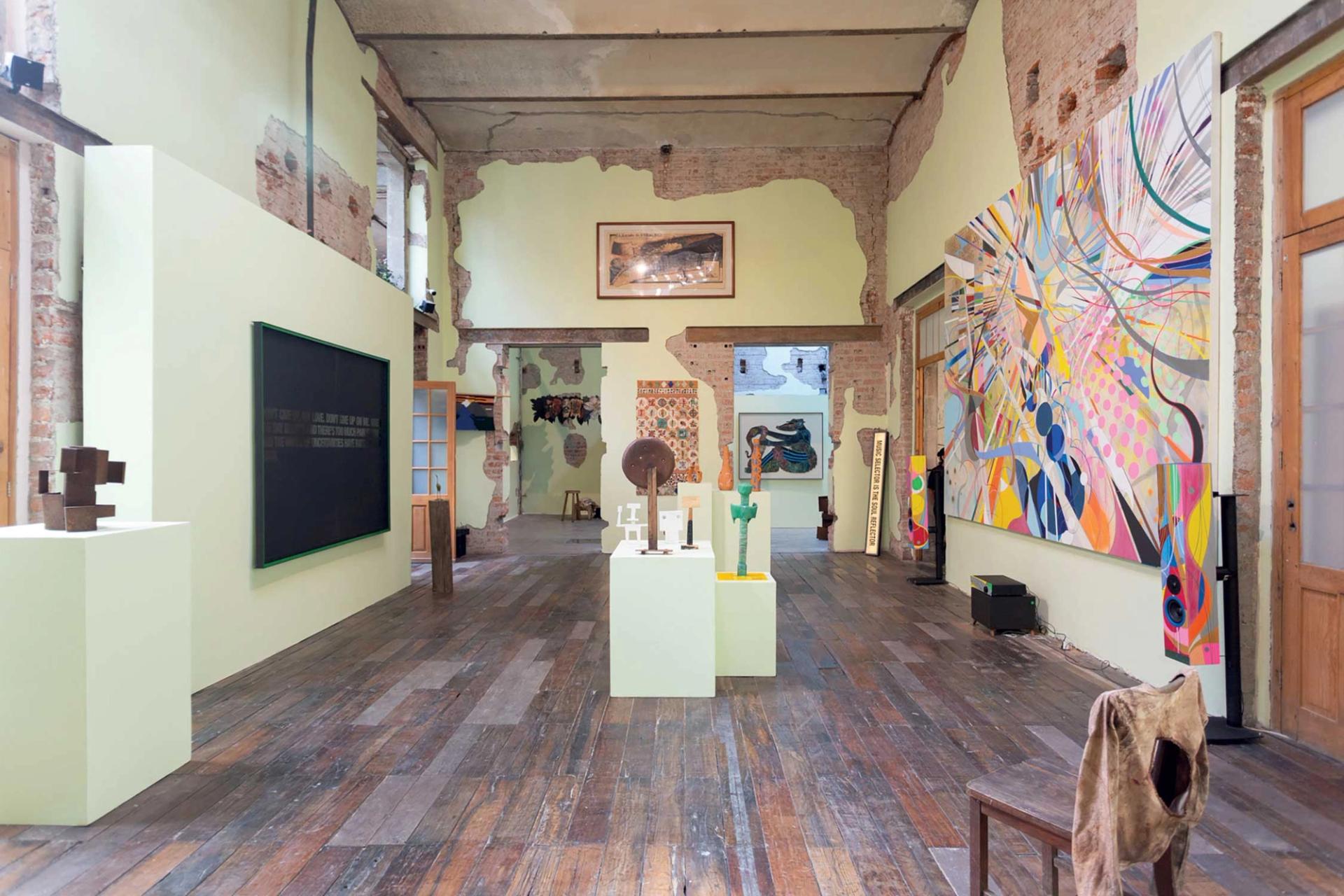
Last year, Salón Acme welcomed artists from the state of Veracruz through its Invited State section, dedicated to showcasing proposals from various parts of Mexico Courtesy Salón Acme; photo: Alum Galve
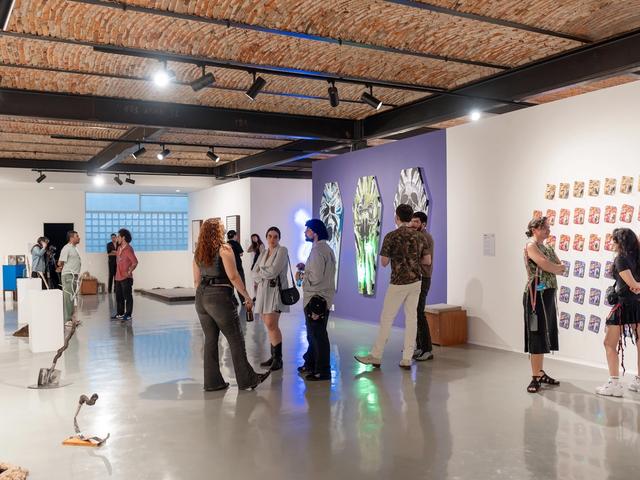
Peña Brito concurs, framing the Projects programme at Material as laying the groundwork for artist-run projects to become sustainable. “Ultimately, we are looking for projects that will impact their communities, that are very centred and know where they are going,” she says.
For artists like Esparza, the effect on the work itself matters most. “You go to the fairs and you have the opportunity to see wall to wall how your own practice is in conversation with someone from Aguascalientes or someone from Mexico City, and you can tell when things resonate and when they definitely don’t,” he says. “Then you go back to your own ranch and you share, and it helps you combat your own navel-gazing. We become less endogamous. It sets off things in artists, and it only works if you’re there, in person, to see it.”
- Salón Acme, Mexico City, 5-8 February
- Clavo, Mexico City, 6-8 February
- Feria Material, Mexico City, 5-8 February