

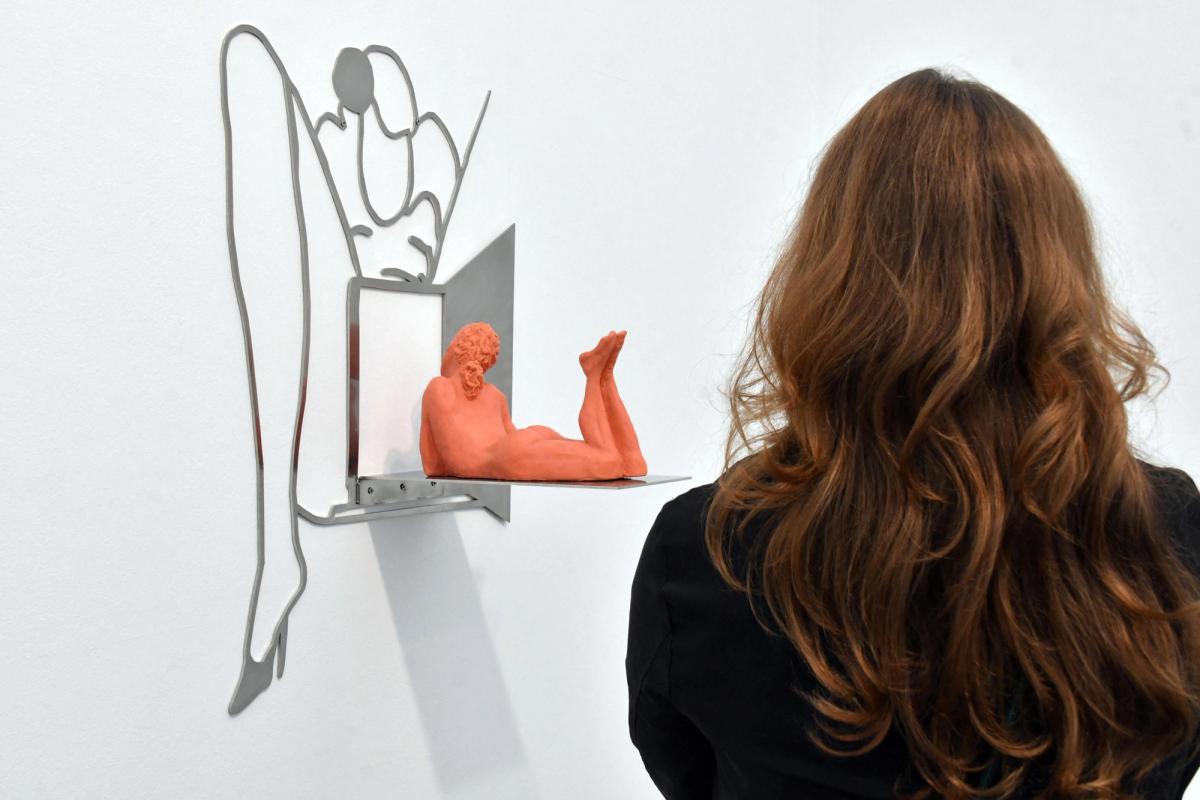
Vienna’s contemporary art scene seems to be collapsing. Three of its galleries—Layr, Exile and Zeller van Almsick—are either closing or “evolving”, all citing the unsustainability of running increasingly costly businesses in an unpredictable market. Meanwhile Eva Presenhuber, who opened a space in Vienna in 2022, has confirmed she is also leaving the Austrian capital amid a downturn in sales.
Those that have confirmed they are closing for good—Exile after 18 years and Zeller van Almsick after nearly ten—are clear-eyed. “There is no point in sugarcoating the fact that the past two years have been financially extremely challenging,” says Magdalena Zeller, a co-founder of Zeller van Almsick. For Christian Siekmeier, the founder of Exile, “there are simply no new collectors emerging”.
Emanuel Layr, who is closing his corner-hugging Layr gallery in favour of a more nomadic, project-based business (including a smaller, by-appointment space in Vienna), says: “The gallery model as we know it is increasingly reaching its limits.” The relentless commitments, to art fairs and the customary six-weekly exhibition, are not paying off. “It’s harder to sell some things, costs are getting higher, then there’s a big art fair coming and taking another €100,000,” he says. “I had to be more realistic, and think, ‘How much profit do I get? How much does the artist get?’.”
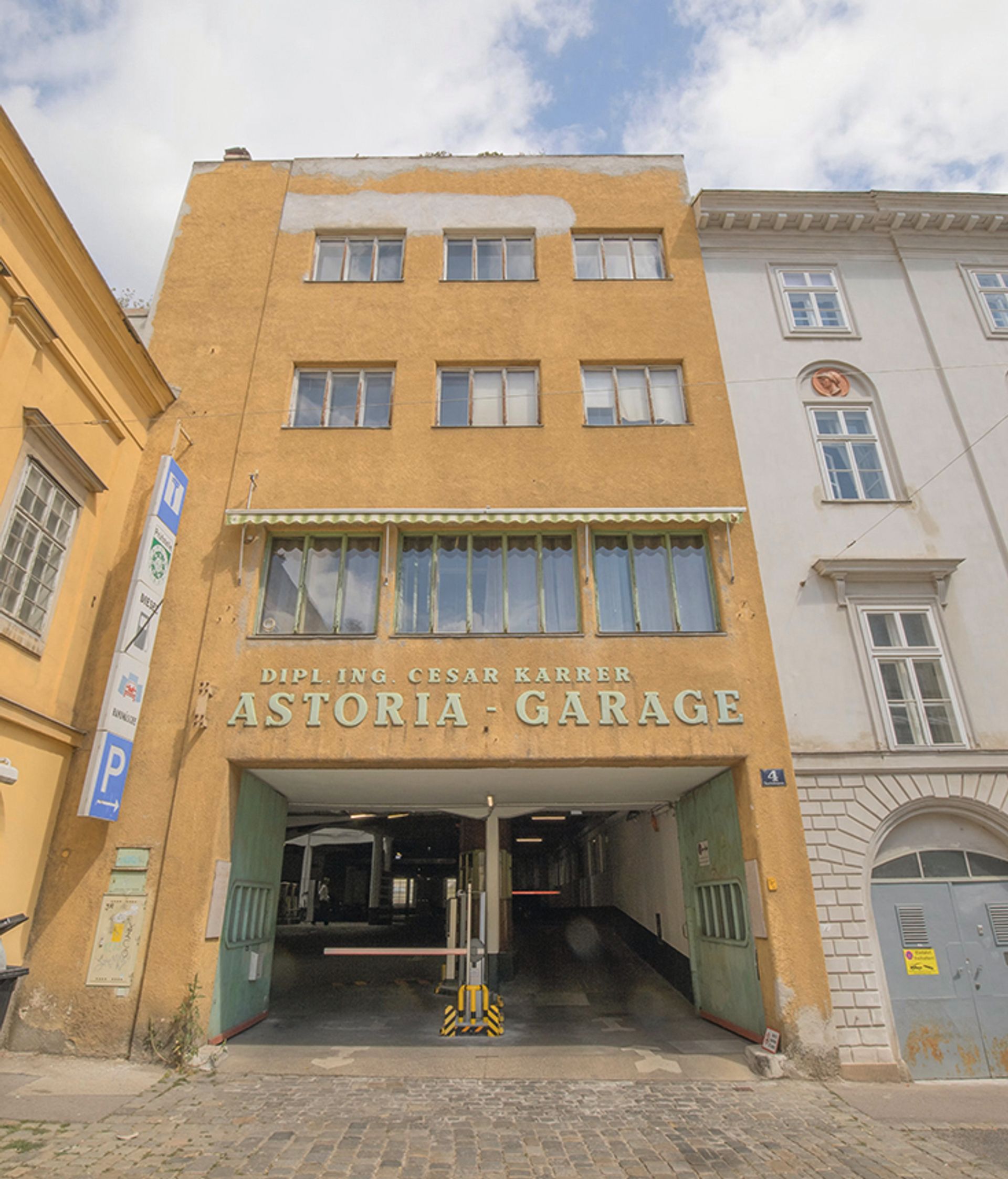
A historic garage was the venue for the Astoria Artshow, which debuted in September © Carmen Alber/Astoria Artshow
Yet Layr and his Viennese counterparts identify a groundswell of enthusiasm from younger generations. September’s new Astoria Artshow, an event held in Europe’s oldest garage (founded in 1918), was a hit, and notably from a young crowd. Its cash tills might not have been ringing, but galleries paid only €500 to participate so had much less to lose. The gallery-led gathering, which returns as a “fair” next year, seemed a breath of fresh air in the slot of previous events, such as Viennacontemporary, which is not showing any sign of returning.
A unique month-long festival
Long-time collectors were also fans of Astoria Artshow. “This will be the future,” says Eva Frey, who with her husband Manfred has been buying contemporary art for more than 30 years, and who sits on the board of Mumok, another bright spot in Vienna’s cultural offerings. Frey points out that the gallery closures will come after the city’s unique, month-long Curated By festival, supported by the city and state and which has been a boon to the contemporary art scene since it launched in 2009.
Frey says that the issue for Vienna’s cutting-edge galleries is that collectors of her vintage (which she defines as “over 70”) are not enough to keep business going. The problem, she says, is not so much the youngest generations, but that “there are fewer people between 45 and 55, who are established in a profession, and who used to be the main collectors in the market”. Layr finds too that “for middle-income professionals, there is less money around, so they are more careful”.
The middle-income strains seem a microcosm of what is happening in the wider art market
Many of the issues might be Vienna-related. It’s a small market and Zeller identifies “a significant gap between the cultural importance of the city and the depth of its local collector base”. But the middle-income strains seem a microcosm of what is happening in the wider art market, namely plenty of enthusiasm from the younger generations and a relative handful of older buyers keeping the top end just about managing. This requires a holding pattern of flexibility, at best, from the galleries who stick it out. For those that do, and can, hope rests on the juniors, but we just might have to wait a while to know if they can fill the gaps.