

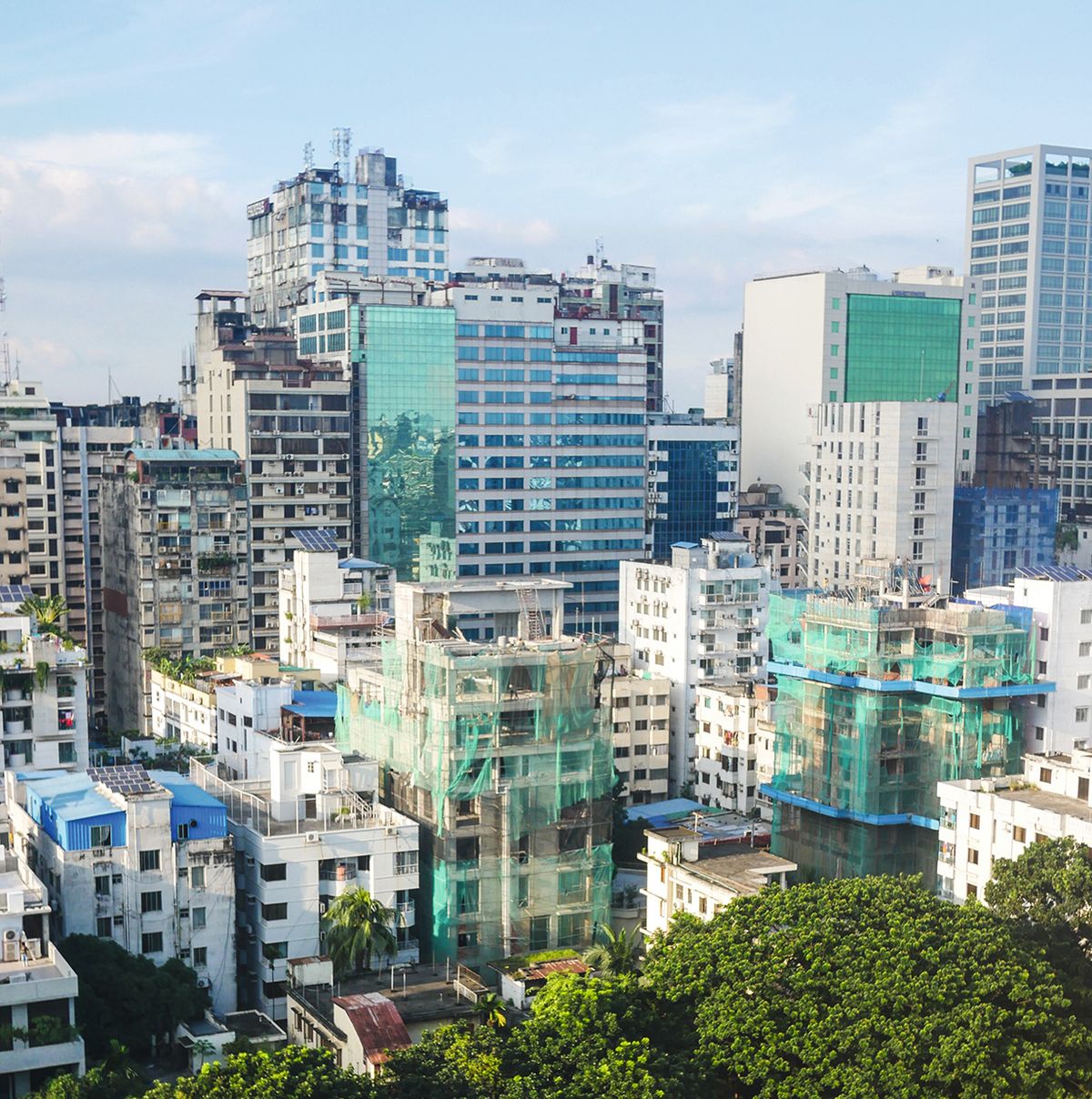
The Bangladeshi capital of Dhaka is set to stage its first commercial art fair this month, which aims to transform the city’s private art sector and encourage a new generation of Bangladeshi collectors.
Art Dhaka, staged under the tagline “Art for All”, will take place at Aloki, a popular multidisciplinary cultural hub and former garment factory.
Though Dhaka is increasingly recognised on the global stage for its non-commercial exhibitions, the city has a limited number of traditional commercial art spaces, with only a few private galleries.
The fair’s founding members—Durjoy Rahman, Nahar Khan, Aumia Khundkar and Fahd Sattar—are addressing the city’s lack of commercial infrastructure by staging a curated fair of emerging and established Bangladeshi artists. Those whose work will feature in the first edition include Dhali Al Mamoon, Mojahid Musa, Najmun Nahar Keya, Bishwajit Goswami, Ayesha Sultana and Dinar Sultana Putul.
The new fair is being curated by Najmun Nahar Keya and fellow Dhaka-based artist and curator Zihan Khan, both of whom have guest curated Dhaka’s international festival for photography, Chobi Mela. The fair will feature gallery presentations, public programming and dedicated spaces for emerging artists.
“This is not like Frieze or Art Basel—it is with the ambiance of an art biennial,” says Rahman, a collector and the founder of the Durjoy Bangladesh Foundation (DBF). “We wanted to stage an event to showcase the art, culture and architecture in Bangladesh through a platform which caters to a wider ecosystem, with a commercial aspect.”
Bangladesh, emphasises Rahman, is a country of around 178 million people, making it the eighth most populous nation in the world, and one in which art has long played a key role. “Culture and art have always been important to everyday life,” Rahman says. “Craft is a part of everyone’s household. We grew up going to cultural events. But over the years, because of industrial development, art became a subject for just a few. Art Dhaka attempts to fill this gap.”
Only a handful of galleries
“We don’t have a strong gallery system,” Rahman says. Besides his own foundation, Dhaka is home to a handful of other private foundations, including the Bengal Foundation, Brihatta Art Foundation, Cosmos Foundation and the Samdani Art Foundation. The latter was founded in 2012 and has organised the Dhaka Art Summit (DAS) since 2012, arguably the most influential event in attracting international attention to Dhaka’s art scene.
The handful of commercial art galleries include Drik, internationally known for championing photography and multimedia storytelling; Galleri Kaya and Gallery Chitrak, showing Modern masters and contemporary Bangladeshi painters; and Abinta Gallery of Fine Arts, a non-profit cultural centre that opened in 2012 and shows established and emerging Bangladeshi artists.
“In a city with 36.6 million people, how do we stage something that will lure even 2% of the population when we have such few art spaces?” asks Rahman. “We want to balance the display of both Modern and contemporary art and encourage new and younger Bangladeshi collectors to invest in art.”
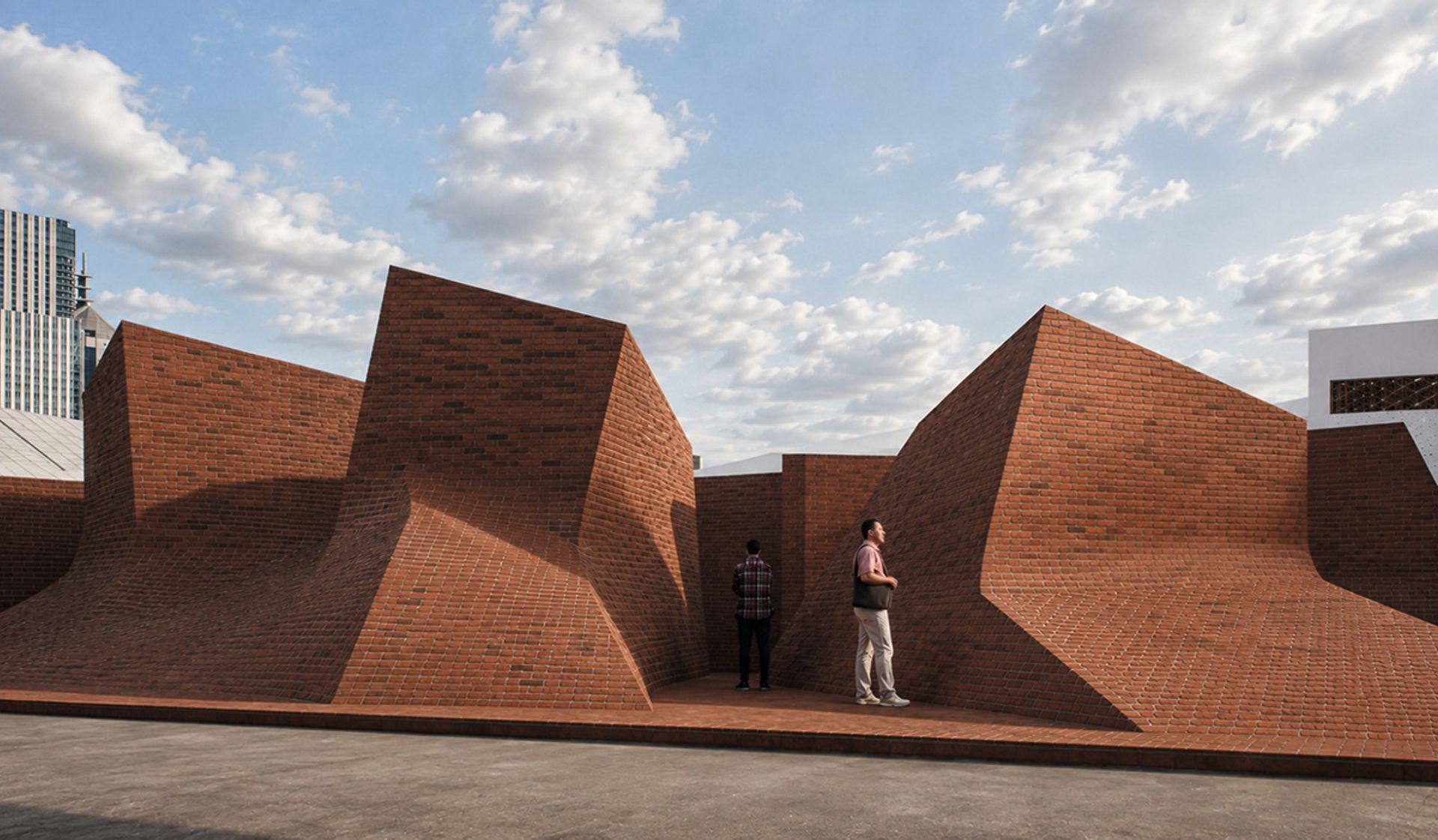
A rendering of Aloki, the venue for the Art Dhaka fair Courtesy of Aloki
“For the first edition, I think we want to establish the fact that we have local patronage. We do have the calibre of artists and we have the organisational ability within ourselves and our curators to put on this show,” says Fahd Sattar, the founder of Aloki.
“We need to have cultural infrastructure between South Asian countries,” he adds, emphasising how future editions of the fair will incorporate the wider region. “This year we are focusing on Bangladeshi artists and the diaspora. Next edition, we could also venture out of Aloki to other areas of the city, and may open to international galleries and artists.”
While there is much hope the new hybrid-format fair will provide a needed boost for Dhaka’s art scene, it is taking place as the country continues to navigate a challenging socioeconomic and political landscape.
Following a historic general election on 12 February—which marked the first contested presidential election since October 1991 and resulted in a landslide victory for Tarique Rahman’s Bangladesh Nationalist Party (BNP)—the nation is still finding its footing. The last few years in Bangladesh have been characterised by intense political turbulence and economic strain, particularly during the challenging democratic transition under an interim government following the ousting of Prime Minister Sheikh Hasina in 2024. Against this backdrop, Bangladesh’s art scene is undergoing a profound post-uprising transformation. Following the fall of Hasina’s government, the creative community has experienced a surge in politically engaged expression, alongside institutional restructuring and the formation of new international partnerships.
Globally, the Bangladesh art scene garnered much international interest due to the DAS, a biennial event staged by Bangladeshi collectors and patrons Nadia and Rajeeb Samdani. But the country’s challenging political landscape has created difficulties in staging the summit, with the last edition taking place in 2023.
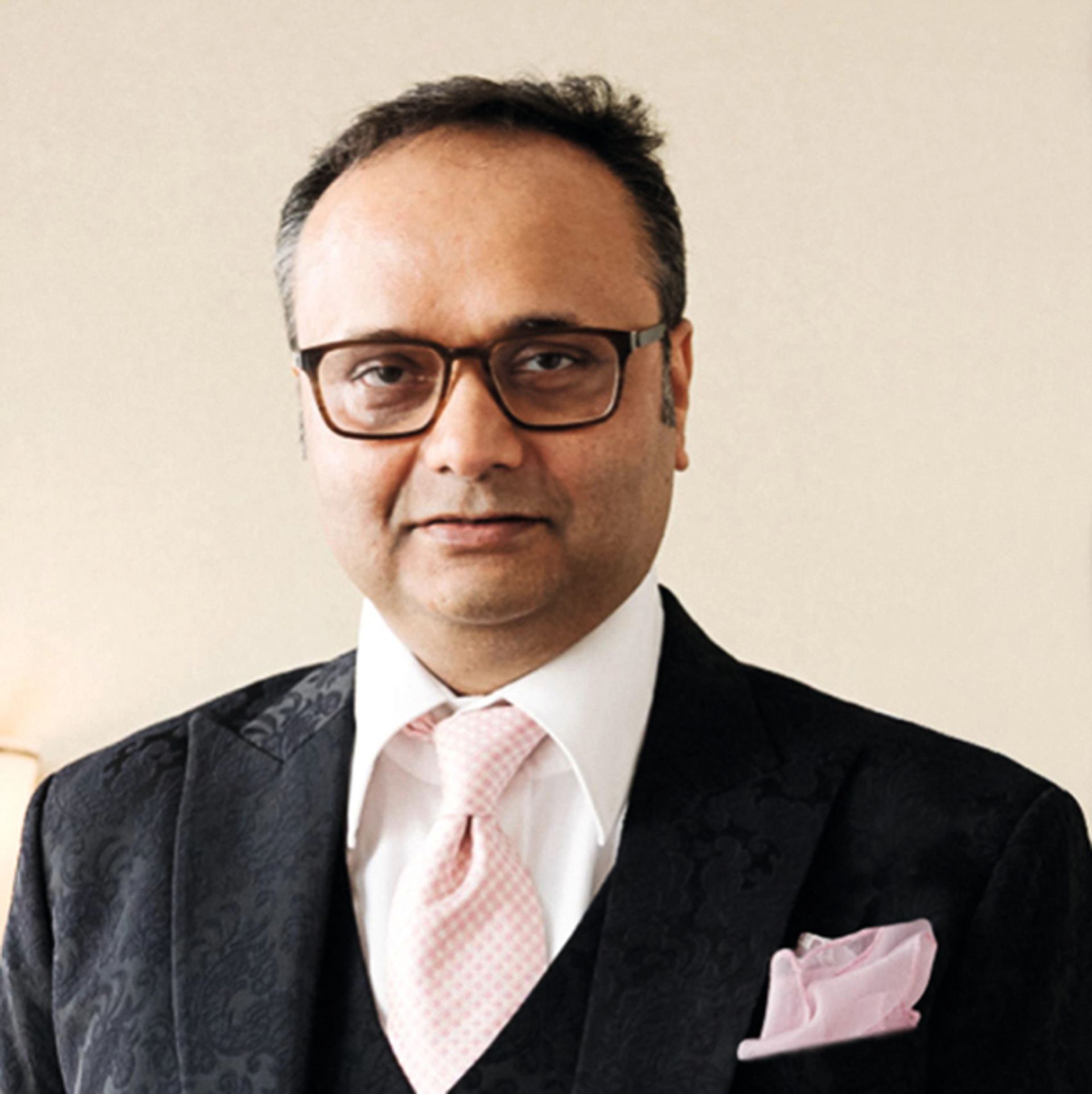
Collector Durjoy Rahman, a founding member of the fair Courtesy of Durjoy Rahman
“We have never censored any artist; you can’t censor artists,” says Rajeeb Samdani, emphasising that DAS cannot be staged in Bangladesh’s current political climate.
Most recently, transgender and feminist human rights activist Ho Chi Minh Islam was dropped as a speaker from the fifth Bay of Bengal Conversation in Dhaka, scheduled to take place on 5 October, following an intense online backlash. The event is an international forum on geopolitics, technology and governance, organised by the Centre for Governance Studies (CGS).
A return for the summit
Rajeeb Samdani, who praises the inaugural Art Dhaka for the wealth of opportunities to be had for the Bangladeshi art scene, says he and Nadia hope to return to Bangladesh with the DAS in the next few years, once the challenging political landscape dissipates.
“It’s great an art fair is taking place in Dhaka as I think it is important for the city’s art ecosystem and the wider development of the art scene,” he says.
In the meantime, the Samdanis have been busy maintaining their programming abroad. This includes a multi-year partnership with the Ashmolean Museum in Oxford, which includes a solo exhibition of Soma Surovi Jannat and the appointment of Munem Wasif as the inaugural visiting artist at the UK museum.
On 27 November the Kunsthalle Basel will present works by eight shortlisted finalists for the Samdani Art Award from Bangladesh alongside 16 artists from the wider Basel region in the exhibition Far Reach (until 2 January 2027).
The Samdanis’ much anticipated permanent space, Srihatta Samdani Art Center and Sculpture Park in Sylhet, will include permanent galleries and residency facilities. “We haven’t announced it publicly yet, but we started operations at the beginning of this year,” says Rajeeb.
During a period of uncertainty in Bangladesh, Samdani is hopeful. “It’s wonderful everyone is coming together during this period of transition,” he said, “We are looking forward to doing the summit sometime soon.”
• Art Dhaka, Aloki, Dhaka, 6-10 November