

As the art world descends on London, a growing number of smaller fairs are looking to offer an alternative to the traditional fair model. From a Texas-born hotel fair making its London debut to an artist-first venture that charges no upfront stand fees, fair organisers are experimenting to offer collectors, artists and dealers new experiences.
The London Invitational, founded by the Dallas-based dealer James Cope, is among the newcomers. Cope, who is originally from the UK, established the Dallas Invitational in 2023 as a boutique hotel operation running alongside the Dallas Art Fair, one of the largest independently owned commercial art fairs in the US. Since its second edition, the fair has been held in rooms at the Rosewood Mansion on Turtle Creek, a luxury hotel and local institution known for its bar and restaurant.
Following the success of the Dallas fair, Cope was approached by the Rosewood Hotel Group about staging a similar event in London. The inaugural London Invitational launches tomorrow at The Chancery Rosewood, which opened last year in the former US embassy building on Grosvenor Square. Designed by the Finnish-American architect Eero Saarinen, the mid-century Modern building is now owned by Qatari Diar, the real-estate investment arm of Qatar’s sovereign wealth fund.
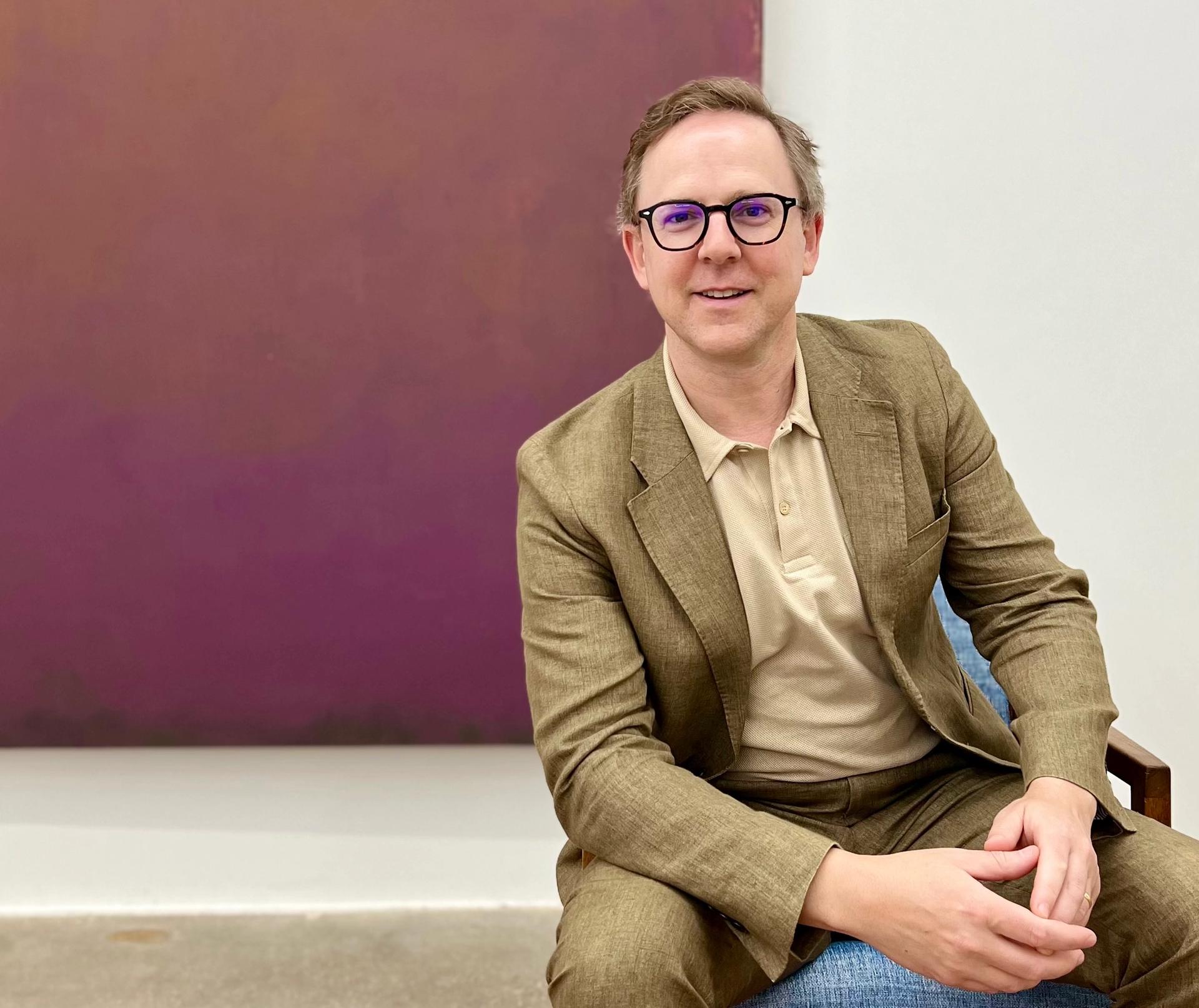
Following the success of the Dallas Invitational, James Cope was invited to set up a London edition in the former US embassy Courtesy The London Invitational
“There’s a lot of competition in a city like [London],” Cope tells The Art Newspaper. But after visiting the city last year to explore the idea, he concluded that “there’s definitely a place for…something that’s intimate, high quality and considered.”
Familiar faces
The fair will occupy a single floor of the luxury hotel, with each of its 12 exhibitors taking over an individual guest room. Several participants will be familiar to visitors to the Dallas Invitational, including Franklin Parrasch Gallery and Lomex Gallery from New York, Bel Ami from Los Angeles and Vardaxoglou from London.
Cope sees the format as a response to the scale of larger international fairs. “There’s a general fatigue around these massive conglomerate art fairs like Frieze and Art Basel, where there’s 300 galleries and there’s tens of thousands of people coming through a convention centre,” he says. His aim is to ensure that “the experience is more enjoyable and manageable”, with an emphasis on carefully selected works.
Could the Invitational expand to other cities? Cope says conversations with dealers and collectors have already prompted interest in a New York edition. The Rosewood group owns The Carlyle hotel on the Upper East Side, a fixture of the city’s art-world calendar, although he is taking a wait-and-see approach to further expansion.
Direct route
The desire for a more intimate, manageable experience is also one of the factors behind Fair Play Art Fair, a new venture founded by Ryan Stanier, who established The Other Art Fair before selling the business in 2016.
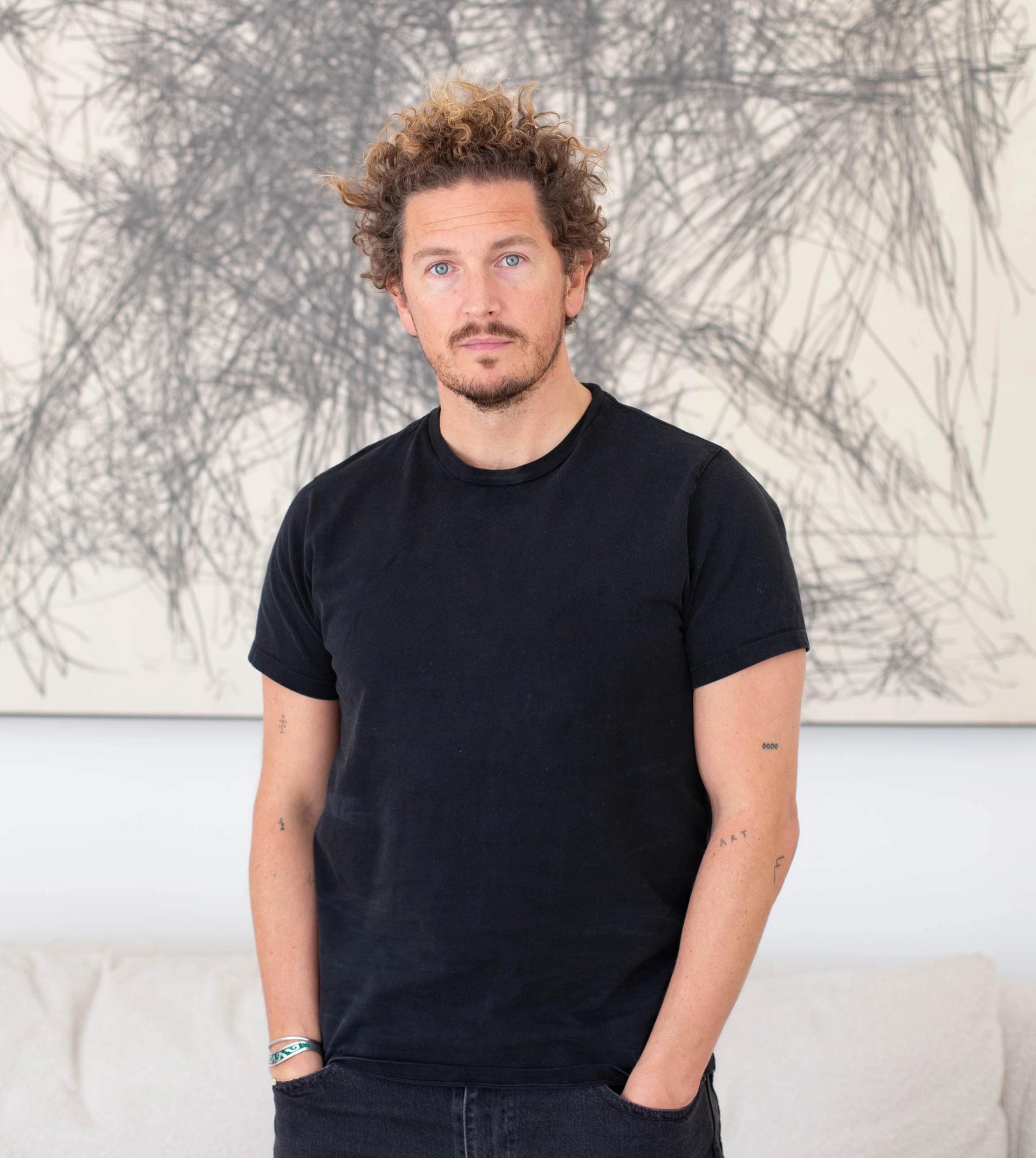
Rather than charging a stand fee, Fair Play Art Fair, founded by Ryan Stanier, instead takes a 42% commission on sales Photo: Sara McKinnon
“I was getting a lot of feedback from people who visited the fairs I’ve been running in the past, and they felt that they’d grown too big,” he says. “There’s too many artists all squished into one room. Buyers and collectors are looking for a more curated experience.”
The event will be held at One Marylebone, an events space in a former church designed by John Soane. The venue is a short distance from Regent’s Park, where Frieze London takes place. Fair Play has a unique pitch, in that it gives artists without exclusive gallery representation a direct route to collectors.
Around 70 artists have been selected on the strength of their work, Stanier says, with women making up the majority. The line-up includes emerging practitioners alongside more established names, such as Curtis Holder, the winner of the 2024 John Ruskin Prize, Tim Noble and Robert Montgomery. Prices range from £200 to tens of thousands of pounds.
Rather than charging artists an upfront fee for a stand, Fair Play takes a commission on sales; Stanier says the rate is 42%. The model is intended to remove the initial financial barrier of exhibiting, although the commission means artists must weigh the cost against the potential benefits of reaching collectors.
“It’s the challenge all art fair organisers face at the moment. With the rising costs of everything, it makes it just extremely difficult to put a fair on, and then of course all those costs then get charged back to the exhibitor,” Stanier says. “I just thought, well, ‘Is there an opportunity where I can create a fair where we just remove the booth fees altogether?’”
New phase
Minor Attractions is another fair using a hotel-room format to encourage collaboration between galleries. Now in its fourth edition, the fair has built a following for its ambitious presentations of emerging artists by young international galleries. It has also expanded its year-round programming, including its Summer Sessions festival, which takes place at venues across London.
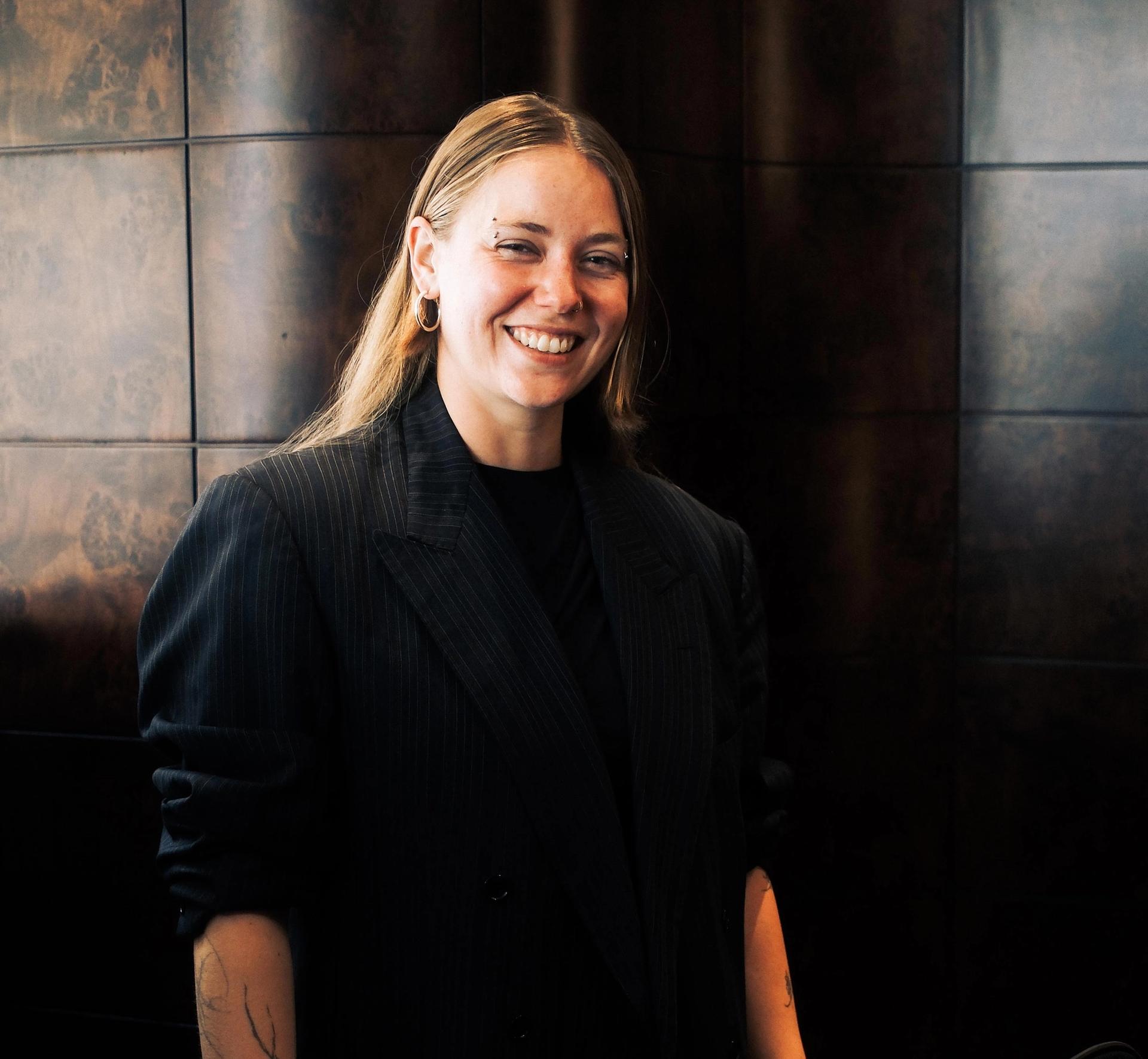
Sophie Barrett-Pouleau, a curator at Minor Attractions; the fair has launched a non-profit arm to support emerging artists Courtesy Minor attractions
This year, Minor Attractions has moved from The Mandrake in Fitzrovia to The Newman, a hotel that opened earlier this year. The larger venue—just down the street—marks a new phase for the fair, says Sophie Barrett-Pouleau, a curator at Minor Attractions.
“It’s a major milestone for us, really scaling up to a bigger, exciting shift in our presentations and in our programming,” she says. The move is “reflective of the next steps for Minor Attractions, and for what fairs can look like in London and across the world”.
The fair is taking place across 16 rooms on the hotel’s first floor, with more than 75 galleries participating. Three are staging solo presentations, while most have opted to share rooms. The Minor Attractions team has paired London galleries with visiting exhibitors, encouraging them to work together rather than simply divvy up the space.
“We push them to work collaboratively in terms of their hang, and to just be experimental and push the boundaries of what a presentation in a hotel room can look like, and expand outside of what one could imagine of a typical fair booth,” Barrett-Pouleau says.
Buyers and collectors are looking for a more curated experienceRyan Stanier, founder, Fair Play Art Fair
This year’s pairings include Harlesden High Street, where Barrett-Pouleau is director and which was founded by Minor Attractions founder Jonny Tanna, with Chicago’s Tala; Rotterdam’s Joey Ramone with London-based Norito; and Sydney’s Laila with Starch, a gallery operating between Singapore and London.
The fair has also launched Major Futures, a non-profit arm to support emerging creative practitioners. For its inaugural programme, the initiative has been raising funds for three independent presentations during Frieze week, through a charity auction and optional donations attached to ticket purchases for Minor Attractions events. The initiative is a response to budget cuts to cultural funding in the UK.
“The opportunity for artists and galleries to thrive and even just have that first step is becoming harder and harder,” Barrett-Pouleau says. “As we find ourselves with a bigger and bigger platform, we want to continue to bring up those around us, and those that we don’t even know.”