

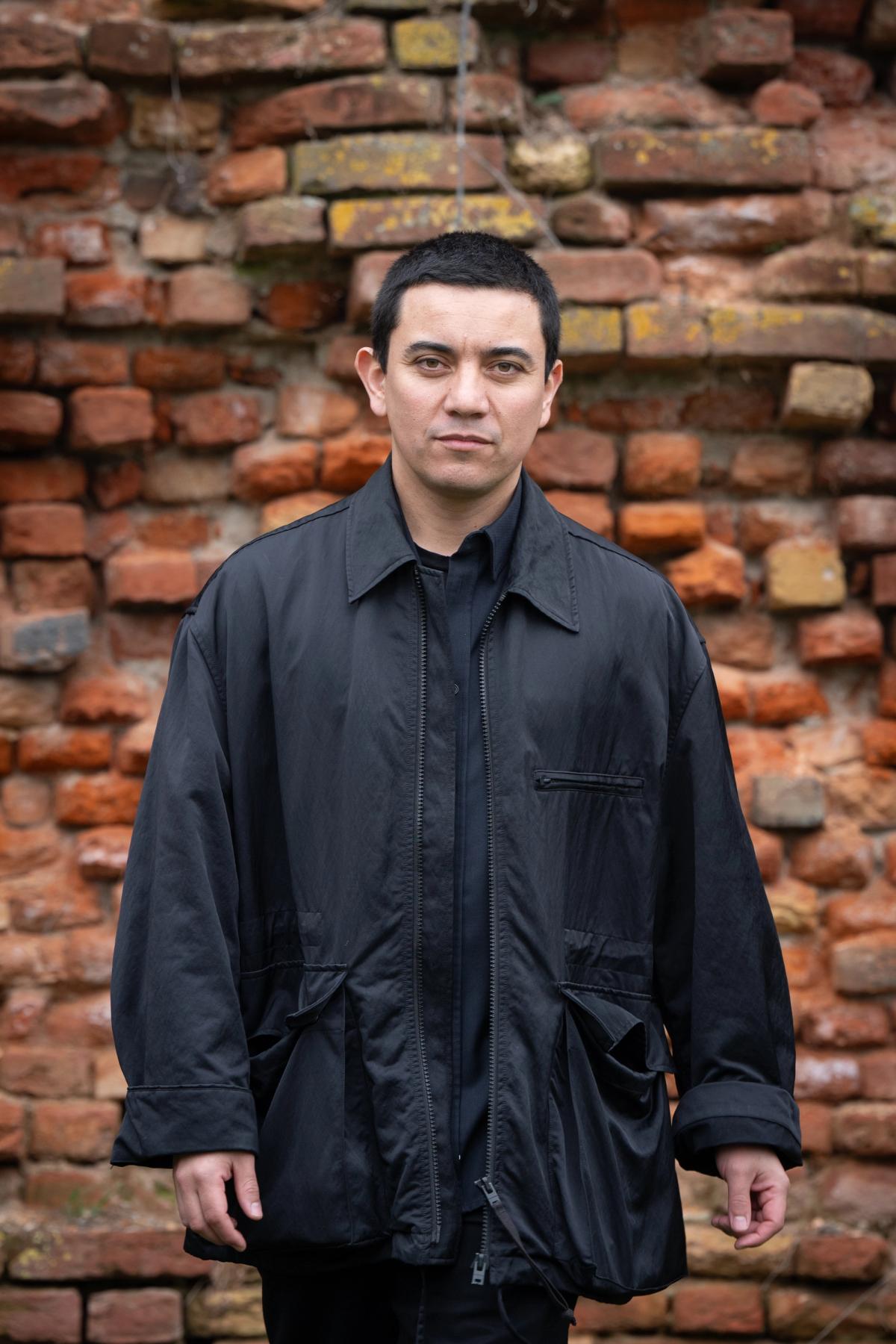
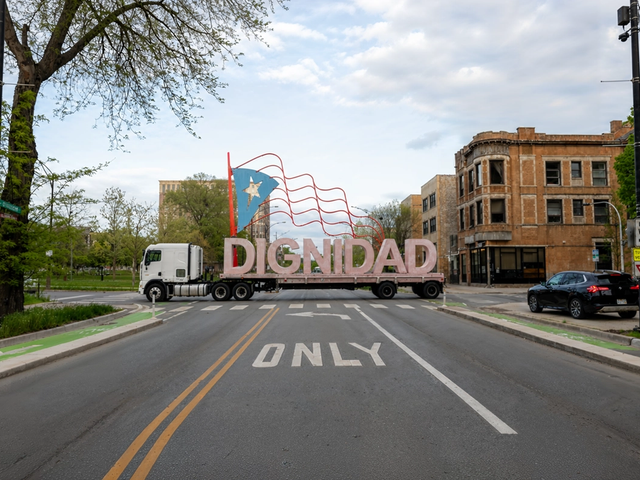
The Colombian artist Iván Argote will make his mark in Italy this month with a permanent, site-specific work located in Bene Vagienna in the northwestern province of Cuneo (from 11 October). Argote is best-known for Dinosaur (2024), a monumental pigeon which was shown on the High Line in New York from 2024 to 2026.
The new installation, selected for the third edition of the Radis public art project, takes the form of a revitalised public space called Piazza del Chafleo.
“Sculptures will be dispersed throughout the space, entering into dialogue with the histories of Bene Vagienna, the projects [devised by the village] for improving water use, the Roman ruins, and the site’s religious mysticism,” says a statement by the artist.
The Radis initiative is supported by Fondazione Arte CRT, the art-oriented arm of the Italian banking foundation, Fondazione CRT. Radis, which references the Piedmontese word for ‘root‘, is also supported by another banking foundation, Fondazione CRC.
Previous commissions for Radis include permanent public works by Giulia Cenci in Rittana and Petrit Halilaj in Dogliani, both in Piedmont.
“The work that Iván Argote has imagined for Bene Vagienna will unearth the ancient memory of the town, intertwining it with the life of its community today. Joining the installations by Giulia Cenci and Petrit Halilaj, it will expand the Radis map, adding to the itinerary that winds across the region, increasing its visibility,” says the patron and president of Fondazione Arte CRT, Patrizia Sandretto Re Rebaudengo, in a statement.
Argote’s work celebrates the history and traditions of Bene Vagienna, creating a new meeting point for the town which he hopes will be renamed. “For almost ten years, I have been working on the idea of creating the Piazza del Chafleo, a place whose name comes from an imaginary verb that I hope will gain meaning through the way the space is used,” Argote says in a statement.
He tells The Art Newspaper: “When we inaugurate the space, people will be like, ‘What the hell does Chafleo mean?’ And my idea was maybe with time, people will start giving sense to this verb depending on how they use the park.”
Public spaces are important communal spaces, he stresses. “We're losing a little bit of this human contact. Now we can connect easily with people around the world in seconds. But I think maybe it is somehow easy now to be more insulting or let's say, misconsider others because we have this distance. I think public spaces somehow make this contact real.”
Scribbling
The commission comes at a busy time for Argote. A show of his new works derived from scribbles launches at Perrotin gallery in London during Frieze week (6 October-19 December) called Mamarrachos: Quinceañera. The works echo his first show with Perrotin in Paris in 2011, reflecting the longstanding relationship between the artist and the gallery.
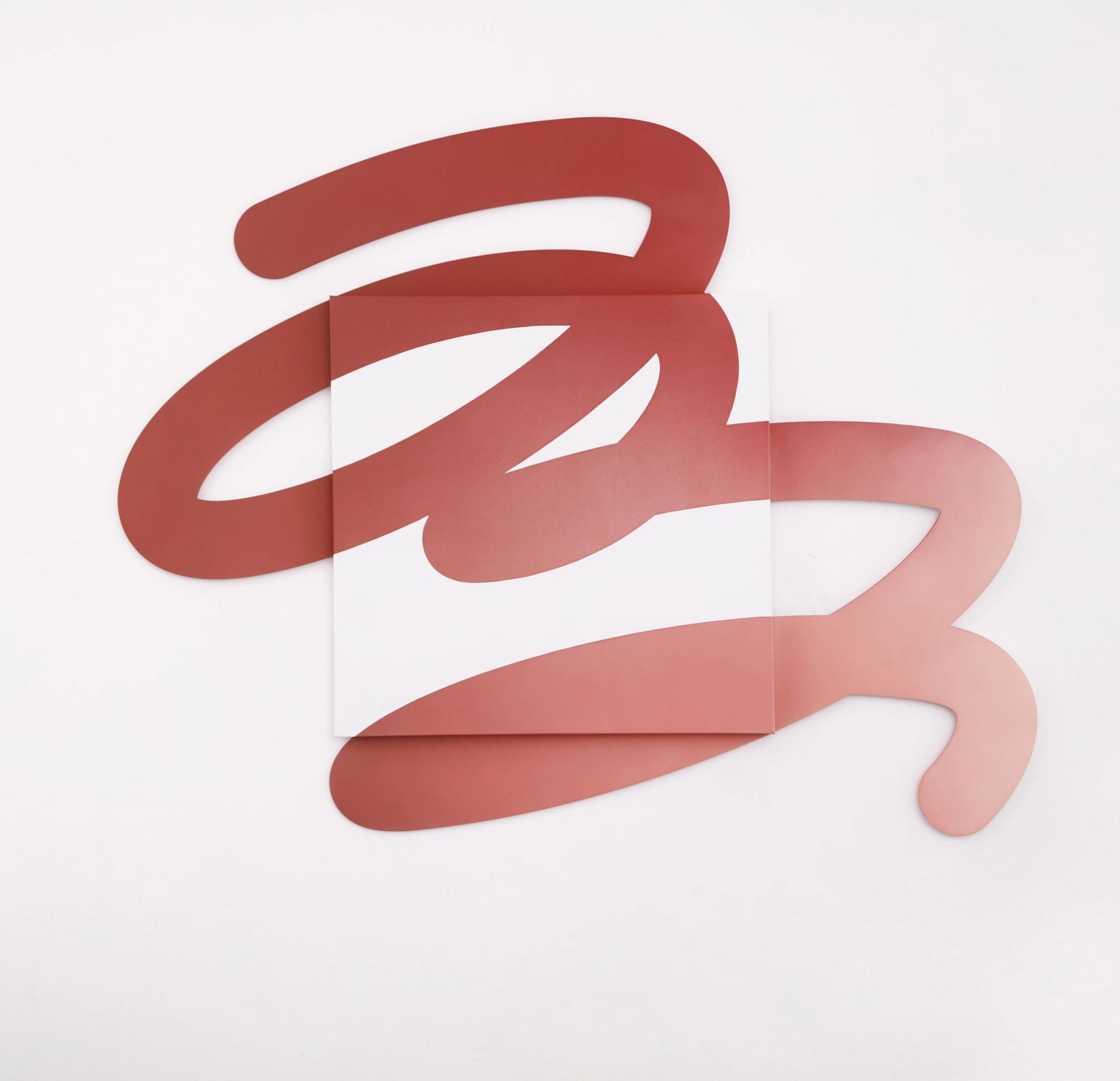
Argote's Mamarracho, 2026
© ADAGP, Paris, 2026. Courtesy of the artist and Perrotin
“In 2008 I asked Perrotin to show my work… I was doing a lot of interventions in public spaces; there has been humour involved in my work since the beginning. It was the only gallery that had this kind of window open to humour or absurdity, I would say with figures like Maurizio Cattelan,” says Argote.
“The Mamarrachos series is a kind of a drawing system or architectural system. I am paying tribute to that show in the London show, but in a new way. I've done these paintings which have become also architectural pieces.”
Argote’s exhibition How to Move a Monument on a Tuesday Morning also recently opened at Dallas Contemporary (until 31 January 2027).