

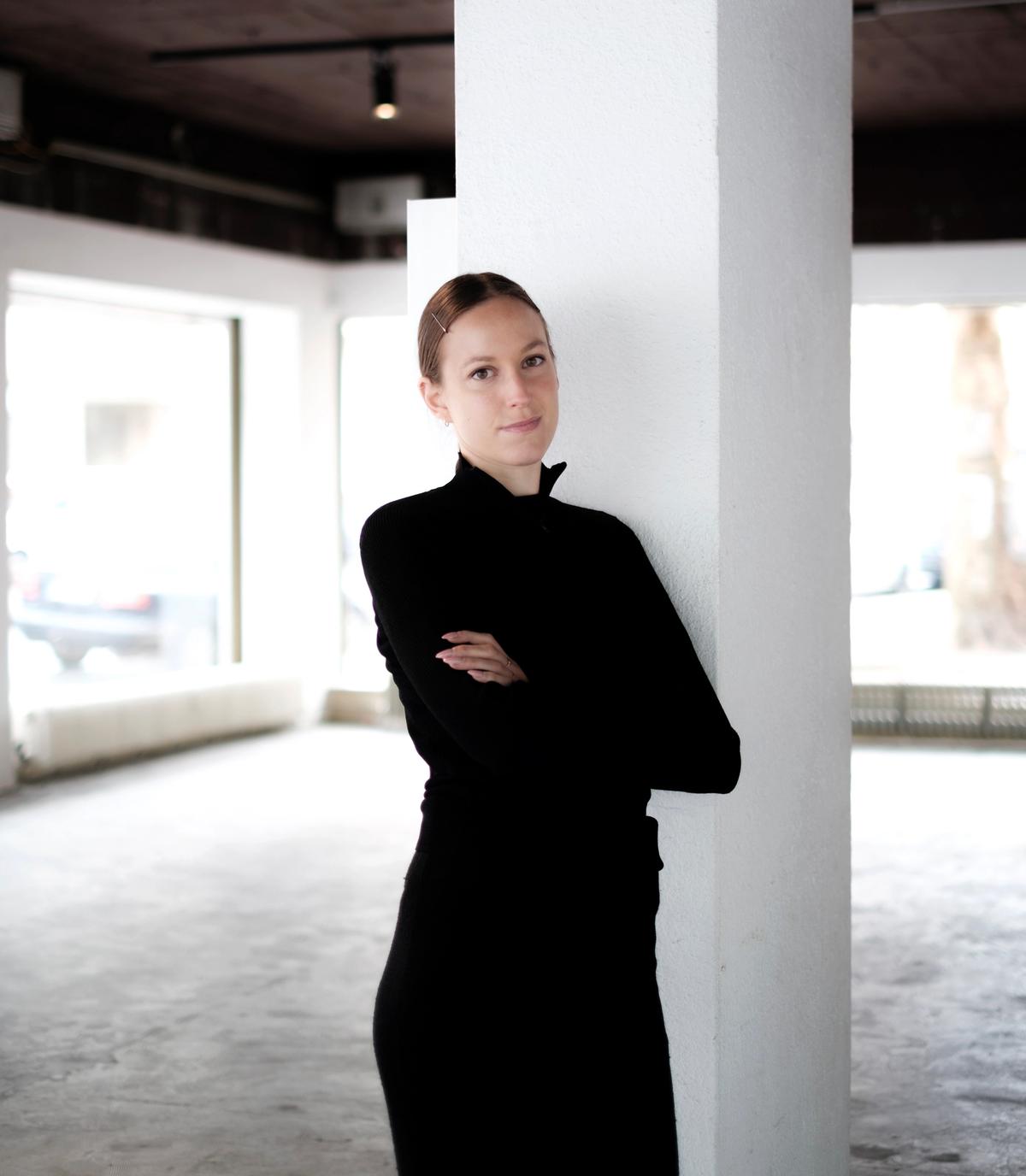
Though galleries often expand across borders, relocations are rarer. So what compels a dealer to move cities and start afresh? For Pauline Seguin, whose gallery Heidi has recently shifted from Berlin to London, it was a case of both push and pull. While London’s “thriving scene of younger galleries” was a considerable draw, she says, her departure from Berlin reflects recent challenges facing the city.
Opened in 2021 near the gallery hub and red-light district of Postdamerstrasse, Heidi embodied many aspects of the quintessential Berlin art venue: the expansive and dilapidated street-facing space delivered an exhibition programme favouring disquieting and cerebral work, and was trafficked by fashionable crowds of artists, critics and curators.
Its seven-strong roster is international, with a US focus—in part a reflection of Seguin’s time spent in New York working for the gallerist Gavin Brown—and includes Kandis Williams, whose researched-based art deconstructs critical theories on race, and the filmmaker Jordan Strafer, whose deranged pastiche of an American daytime talk-show made her a breakout star of the 2026 Whitney Biennial.
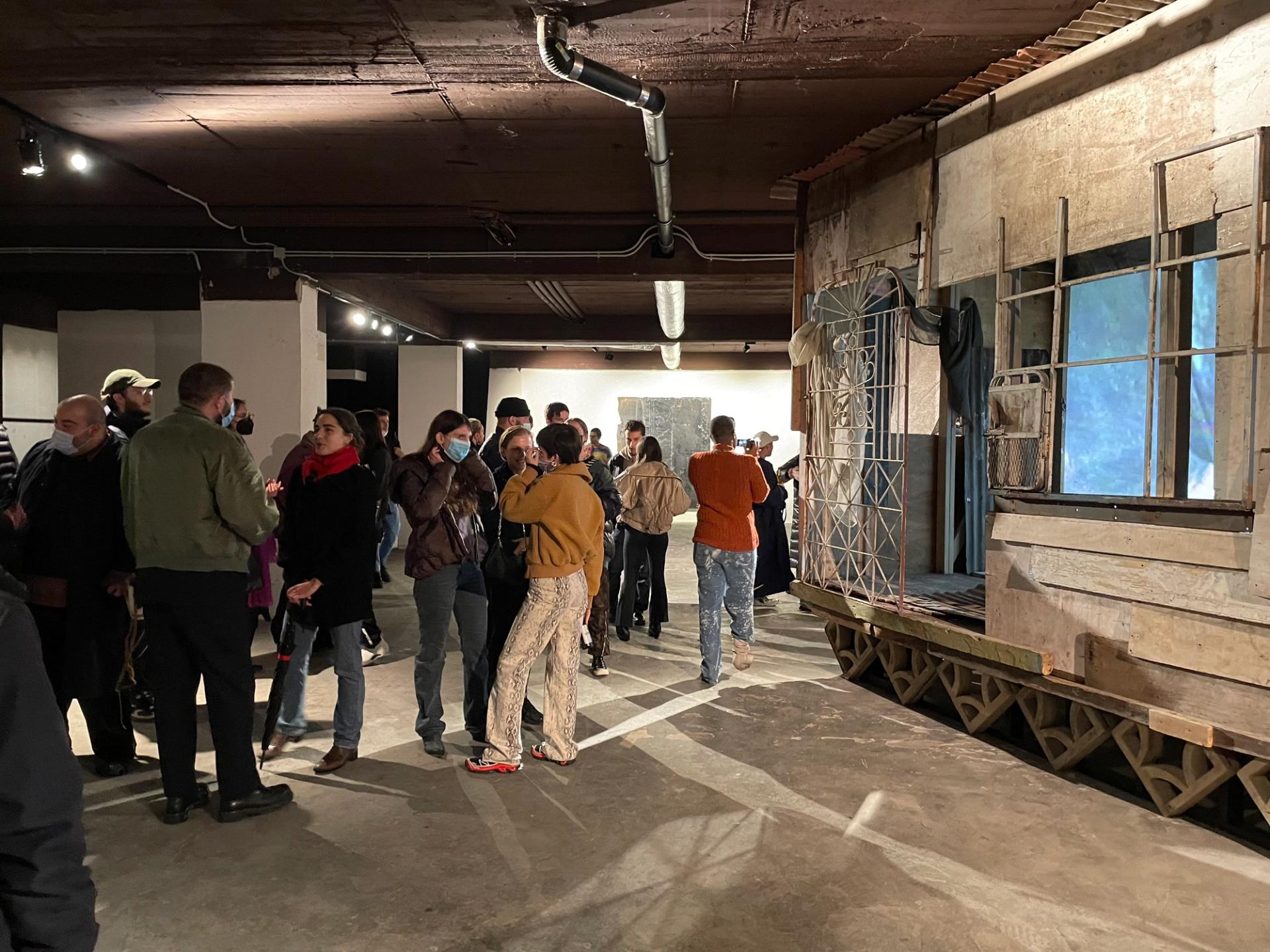
An opening at Heidi's Berlin space, which ran from 2021-26
This might sound like a promising formula for gallery success, but Berlin’s attractions are fading fast for some dealers. What was once a seductive offer—super-cheap rent and proximity to artists—appears increasingly untenable. Shrinking culture budgets and a real-estate crisis mean “less and less experimental art is being shown there”, Seguin says. Meanwhile, a crackdown on dissence, particularly in the wake of the 7 October Hamas attacks, has led to hesitation among artists and curators about working in Berlin.
To compound the issues, the global art market remains sober. “Buyer footfall matters much more now, unfortunately,” Seguin says. “Not many people actually travel to Berlin. And these days, if you never see a collector in person, you might struggle to survive. Having a gallery has become a lot harder.”
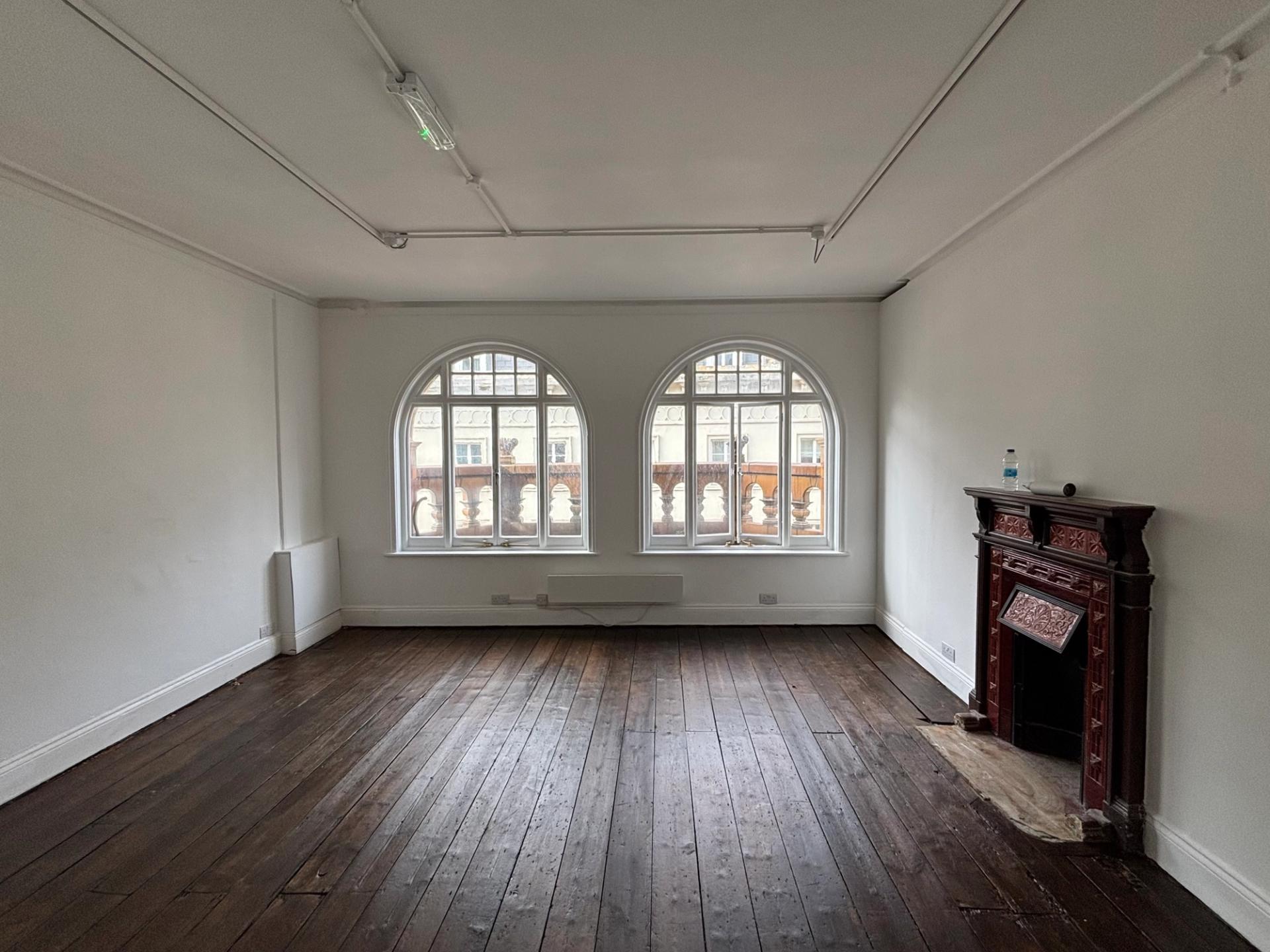
Heidi's new London venue occupies a third-floor space on Maddox Street
In London, Seguin has landed on “the complete opposite” of Berlin grunge. She has signed a five-year lease for a “tiny”, third-floor walk-up on glitzy Maddox Street, near Hauser & Wirth and the luxury fashion flagships on Bond Street. “We wanted to be central and take advantage of the density of collectors London offers.”
In the busy run up to Frieze Week, Heidi will open this Thursday (24 September) with a painting show by the New York- and Wyoming-based painter Brook Hsu. Her first solo show with the gallery, Trout Fishing in America (until 7 November), takes as its starting point a postcard reproduction of Courbet’s The Trout (1873), on which Hsu penned a letter to her partner. At Frieze London, Heidi will take part in the Focus section, bringing a solo presentation of the painter Benjamin Lallier.
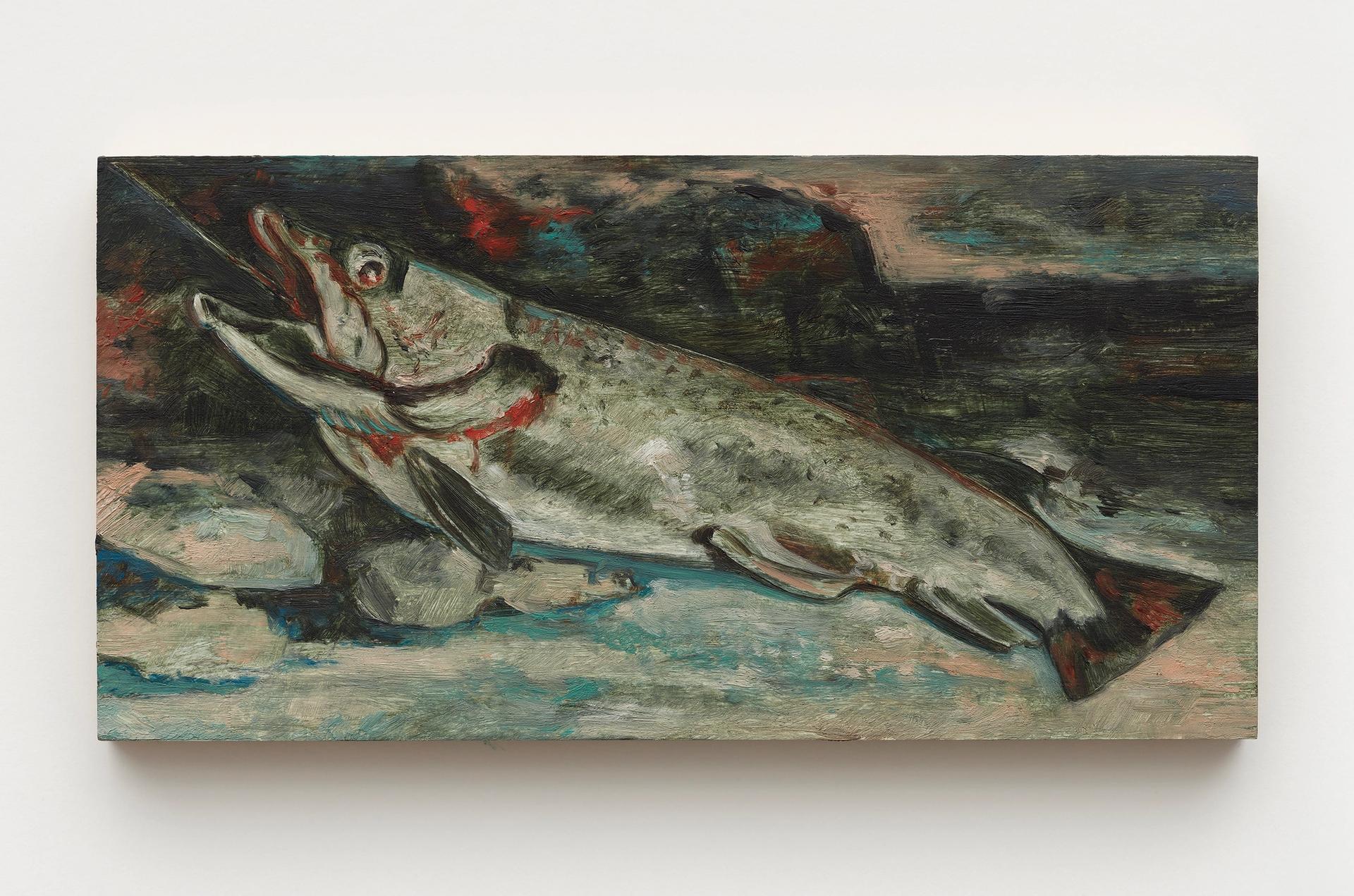
Brook Hsu, Trout Fishing in America (2026)
Seguin, who is the daughter of the powerful French furniture gallerist Patrick Seguin, also considered Paris for the relocation, but she eventually settled on London. "In Paris tastes are still a little conservative. London has an appetite for the experimental and the subcultural, which really supports contemporary art here."
Berlin’s loss, London’s gain. Heidi’s arrival adds to an uplifted mood within the city's emerging gallery scene, whose resilience has defied existential fears sparked by Brexit. “London was supposed to fall off a cliff after 2016,” Seguin says, “but it’s not like everywhere else rose around it—everywhere went to shit.”
Seguin enters her new chapter determined to face challenges head-on. Heidi’s second show will be new video works by Strafer. “Figuring out how it will work in the new space, with all its divisions, will be tricky—but that’s also the exciting part."