


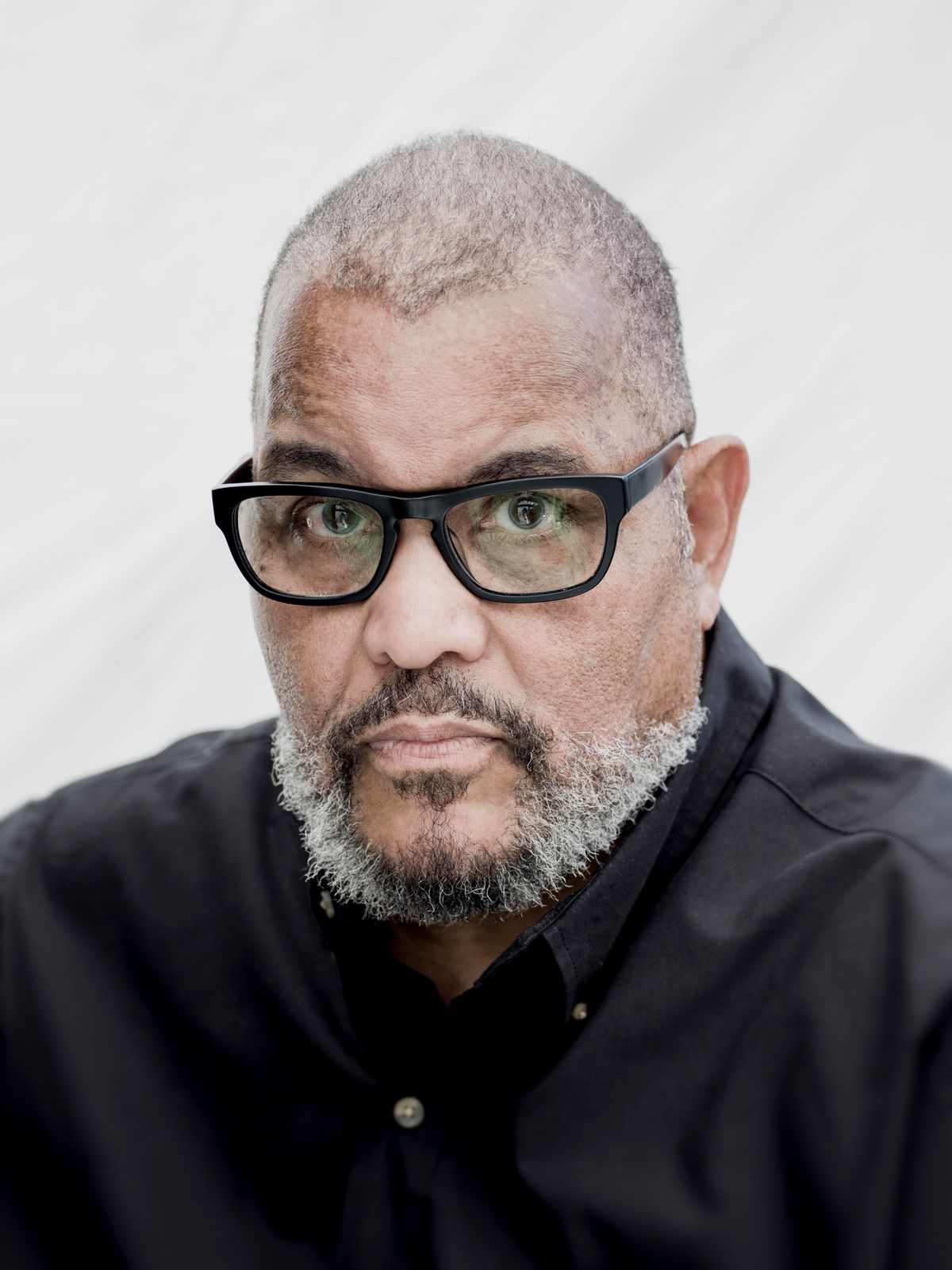
Dawoud Bey, who was born in 1953 in New York, makes photographs and film installations that address the experience of Black people in the US, from the horrors of slavery via racist violence and the Civil Rights era to intimate moments in contemporary life.
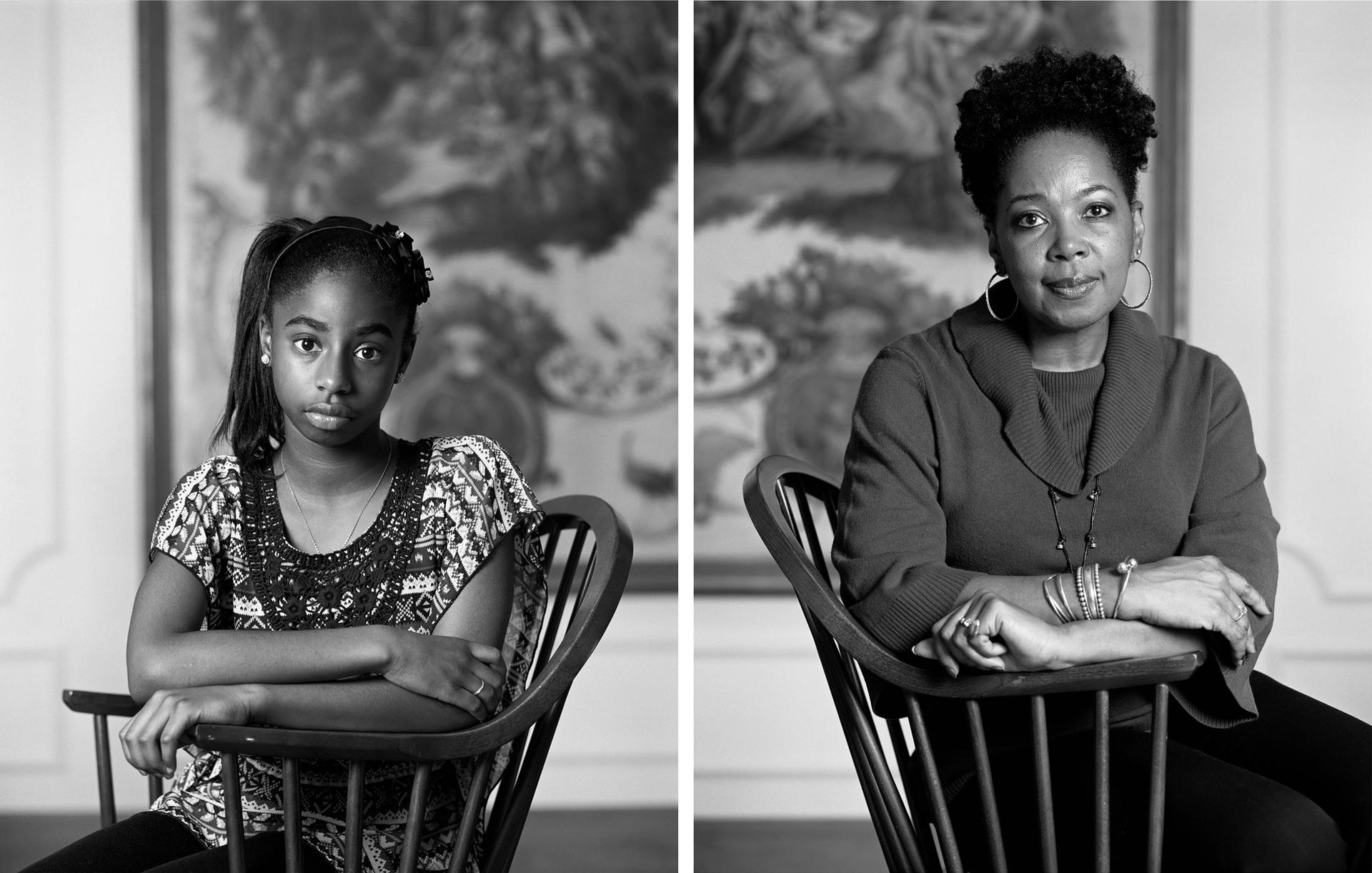
Dawoud Bey's Taylor Falls and Deborah Hackworth (2014), from the series The Birmingham Project © Dawoud Bey
He began his career as a photographer in the 1970s with the consistent aim to work as an artist rather than a photojournalist. While he was celebrated from the start for his depictions of people and communities, he has always had a particular sensitivity to place, and after several decades in which portraiture and street photography were dominant strains in his practice, his work over the past decade has focused mostly on landscape.
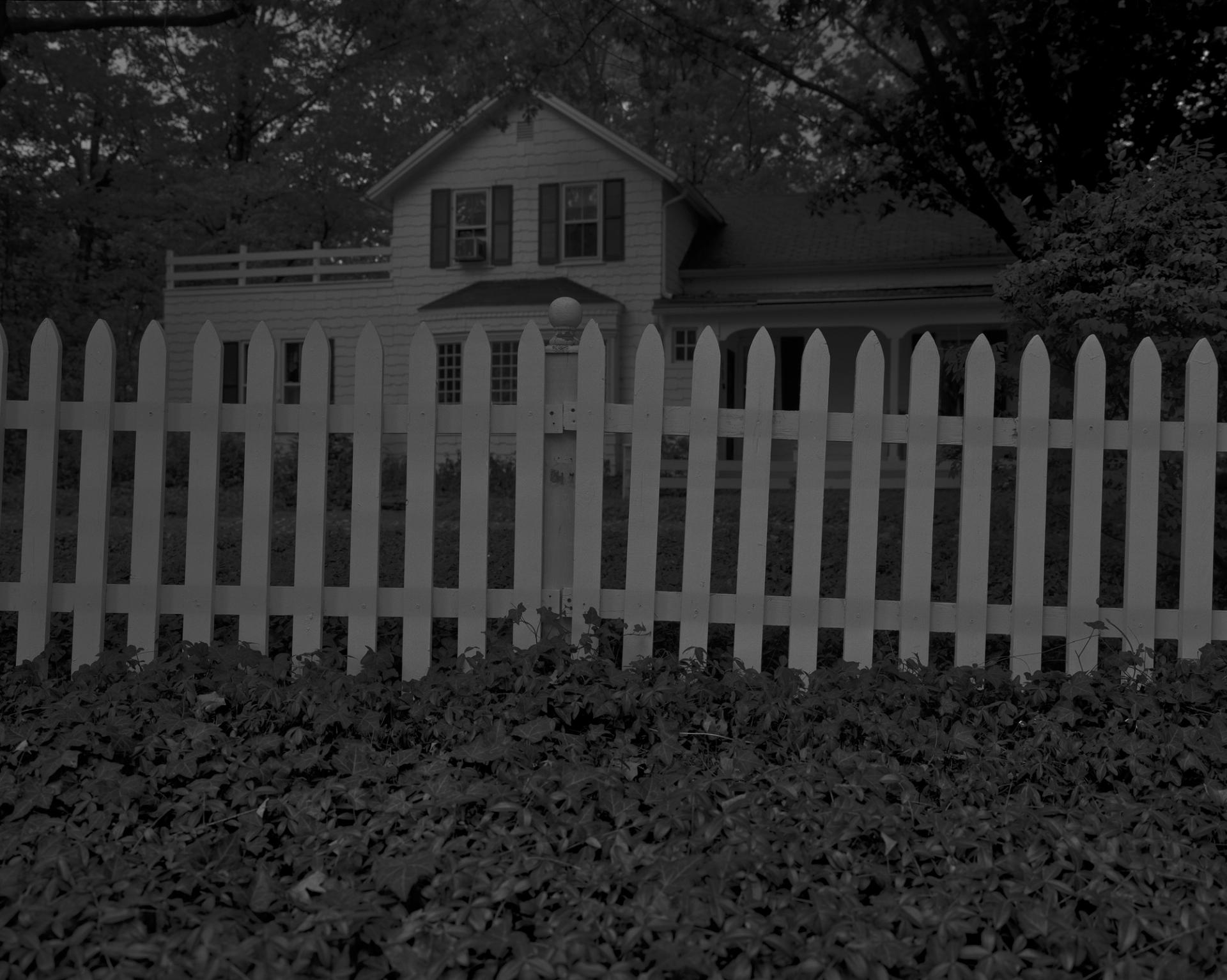
Dawoud Bey's Untitled #1 (Picket Fence and Farmhouse) (2018), from the series, Night Coming Tenderly, Black © Dawoud Bey
But even when they are not physically present, those who have lived in and travelled through the places he depicts are as much part of the photographs’ and films’ subject as the environments captured by his camera. He has said of recent series, for instance, that he wants to capture the landscape as seen and felt by the enslaved people who moved through it, and a profound sense of empathy underpins all his output. “This notion of the radical Black imaginary,” he explains, “is the foundation or place that my work springs from.”
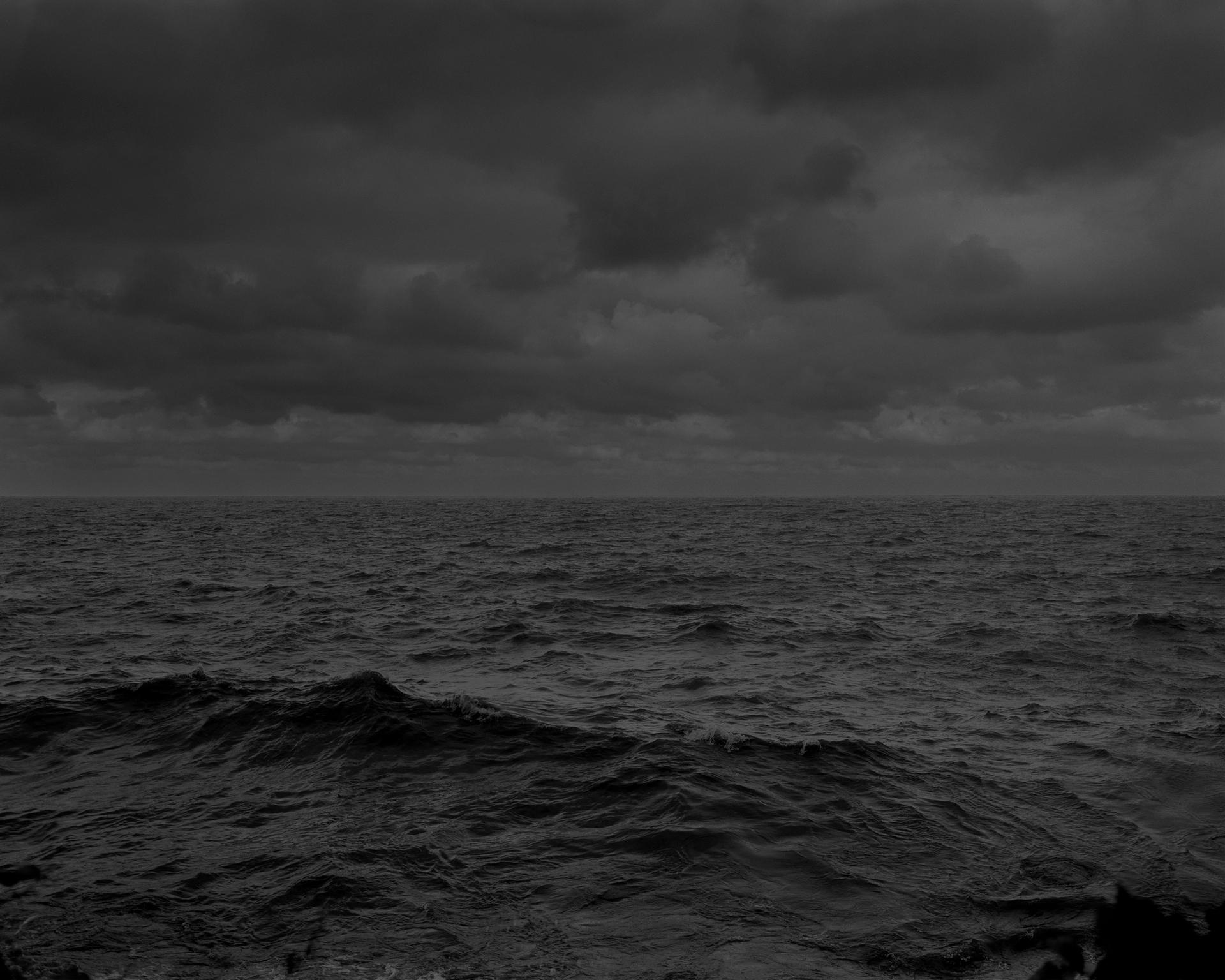
Dawoud Bey's Untitled #25 (Lake Erie and Sky) (2017), from the series Night Coming Tenderly, Black © Dawoud Bey
Bey discusses his background in jazz and how it has influenced his art-making; his term “subjective opticality” and what it tells us about the camera and the perspective of the photographer; and the importance of photographs as objects.
He reflects on the early influence of Roy DeCarava and John Coltrane, who continue to impact his thinking today, his early fascination with Rembrandt, his work with David Hammons and friendship with Torkwase Dyson, how he has responded to Toni Morrison in his recent photographic series, and the ongoing influence of Michael Roemer, the film-maker with whom he studied. Plus, he gives insight into life in the studio and asks our usual questions, including the ultimate: what is art for?
• Dawoud Bey: Material Histories, Living Landscapes, Art Gallery of Ontario, Toronto, Canada, until 4 July 2027. The exhibition is co-presented by the Toronto Biennial of Art 2026
This podcast is sponsored by Bloomberg Connects, the arts and culture platform. Bloomberg Connects offers access to a vast range of international cultural organisations through a single click, with new guides being added regularly. They include several museums and galleries that have held solo exhibitions of Dawoud Bey’s work, from the Art Gallery of Ontario, where his show Material Histories, Living Landscapes continues until 4 July 2027, to the Denver Art Museum, the Studio Museum in Harlem and the Whitney Museum of American Art in New York, the San Francisco Museum of Modern Art, and the Minneapolis Institute of Art, or Mia. On the guide to Mia, you’ll find a video feature on the conservation of the Dante tapestry, the Florentine textile that has not been on display at the museum since the 1950s, but is the subject of an exhibition at Mia until 31 January 2027. You can also read and listen to descriptions of the great works in the museum’s collection, from the Jade Mountain, an 18th-century Chinese ceramic, to a Shrine head by a Yoruba artist and Vincent van Gogh’s 1889 painting, Olive Trees.