

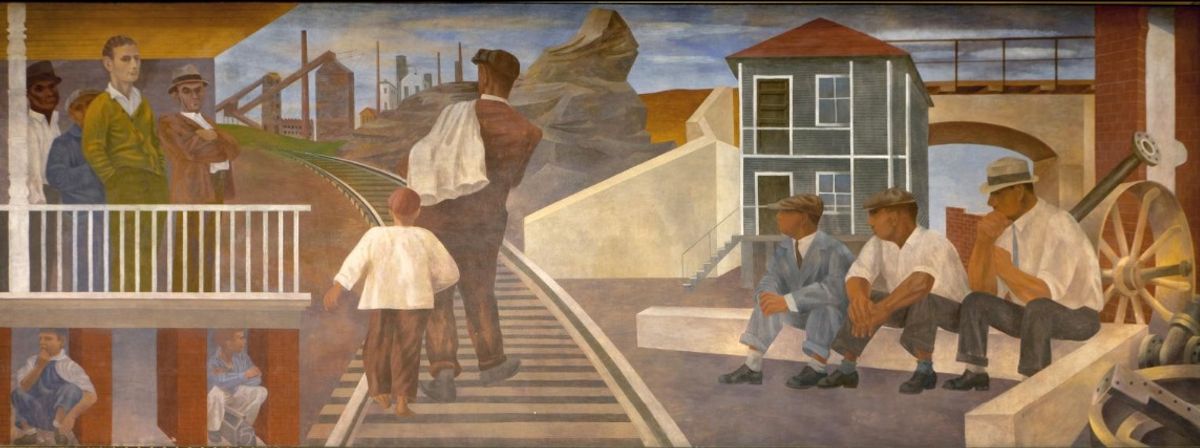
In an effort to save public art in federal buildings that the Trump administration has targeted for sale, two Democratic members of the Congressional Arts Caucus introduced a bill called the Protecting Resources and Ensuring Stewardship of Enduring Records of Visual Expression (Preserve) Act on Tuesday (14 July). The bill is co-sponsored by Dina Titus of Nevada and Lloyd Doggett of Texas.
“Publicly commissioned art should never become collateral damage when federal buildings are sold or otherwise disposed of,” Titus said in a statement. “Art commissioned by the federal government is a vital part of our national heritage and deserves to be preserved for future generations.”
Under the Preserve Act, the General Services Administration (GSA), which manages thousands of federal properties across the country, would be tasked with creating a committee of experts to come up with a plan to protect any publicly commissioned art in buildings due to be disposed of. The committee would also make sure that the art remains accessible to the public, either by leasing it out or moving it to another building. In particular, the bill calls out the large collection of public murals and other works created as part of Franklin D. Roosevelt’s 1930s New Deal programme.
Soon after Donald Trump started his second presidential term, his administration earmarked several buildings for disposal, including the Wilbur J. Cohen Federal Building in Washington, DC. The Cohen Building houses what has been called the “Sistine Chapel of the New Deal”, including murals by Philip Guston, Ben Shahn, Seymour Fogel, Emma Lou Davis, Henry Kreis and the twin sisters Ethel and Jenne Magafan. Since some of the works are frescoes and therefore embedded in the walls, they cannot be easily removed from the building and require people with very specific technical skills and art-historical knowledge to protect them, according to a statement released by Titus’s office.
Preservationists are concerned that if the Cohen Building and others like it are sold or otherwise disposed of, the art inside could be destroyed—especially since Trump has taken similar action in the past.
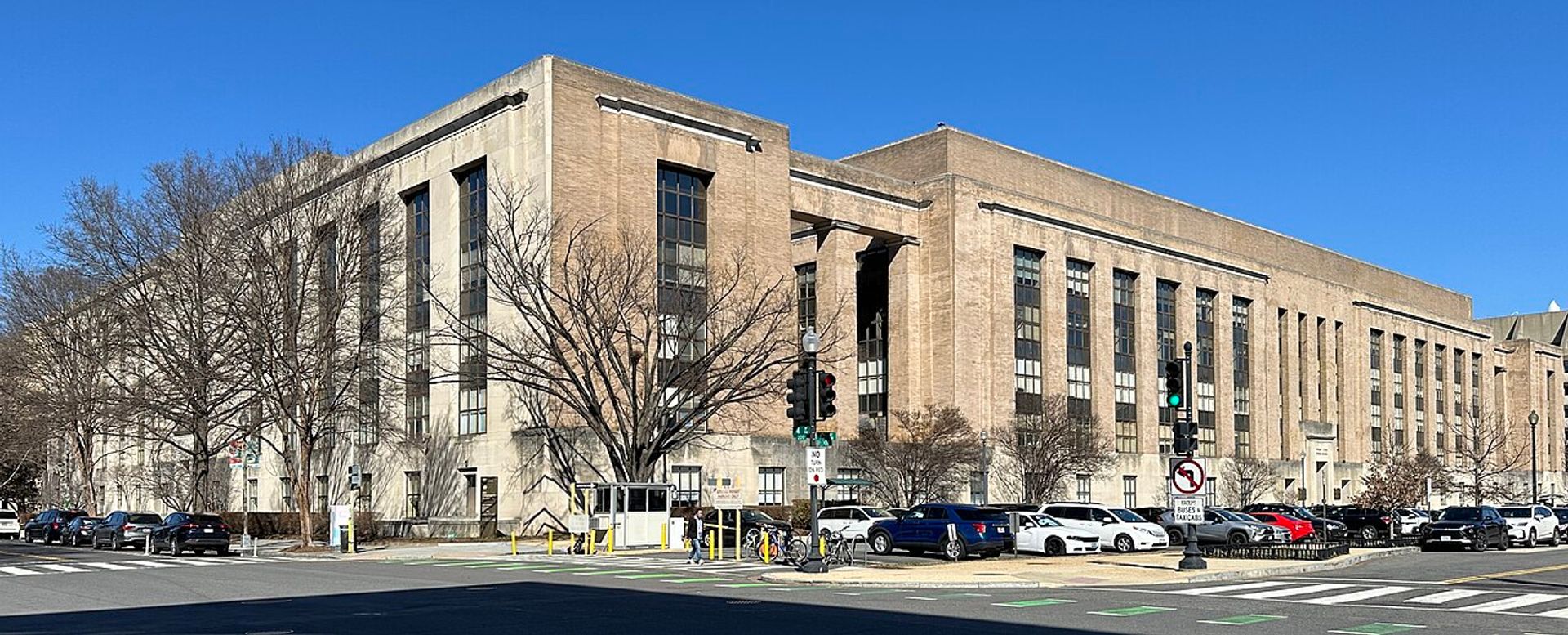
The Cohen Building is on Trump’s list of federal buildings to be disposed of Photo: APK, via Wikimedia Commons
Doggett said in a statement that these works of art “provide a visual history of the struggle, opposition and ultimately of progress across generations of Americans. The Preserve Act will protect these treasures, because art is aspiration, and protecting it is how we live up to our own.”
The bill has met with immediate approval from several groups publicly campaigning to protect the country’s art and architectural heritage under risk. These include the National Trust for Historic Preservation, Living New Deal, Hands Off the Arts and Preservation Action.
In an “enthusiastic” endorsement of the legislation, Alex Lawson, the executive director of the non-profit Social Security Works, said in a statement that “besides being priceless irreplaceable masterpieces of American art”, because the art in the Cohen Building was created through a programme that employed artists during a difficult time, it is a invaluable part of history.
The co-chairs of the non-profit Public Art Dialogue, Amy Werbel and Karen Shelby, said in a statement: “These historical riches serve not only as visible reminders of the aspirations of past Americans, but also as guideposts for the future enrichment of our national visual landscape.”
Soon after the bill was introduced, it was referred to the House committees on transportation and infrastructure, as well as oversight and government reform. However, because the Republican Party currently holds a majority of the House of Representatives, it is unclear when the bill will be taken up for further consideration.