

On June 20, the Deutsches Architekturmuseum in Frankfurt opened what has to be the most timely exhibition in living memory. Titled TOO HOT: Scorching Cities, New Ideas (until 7 February 2027), it explores the central tension urban architects and planners increasingly face in needing to create cool spaces without energy costs spiralling.
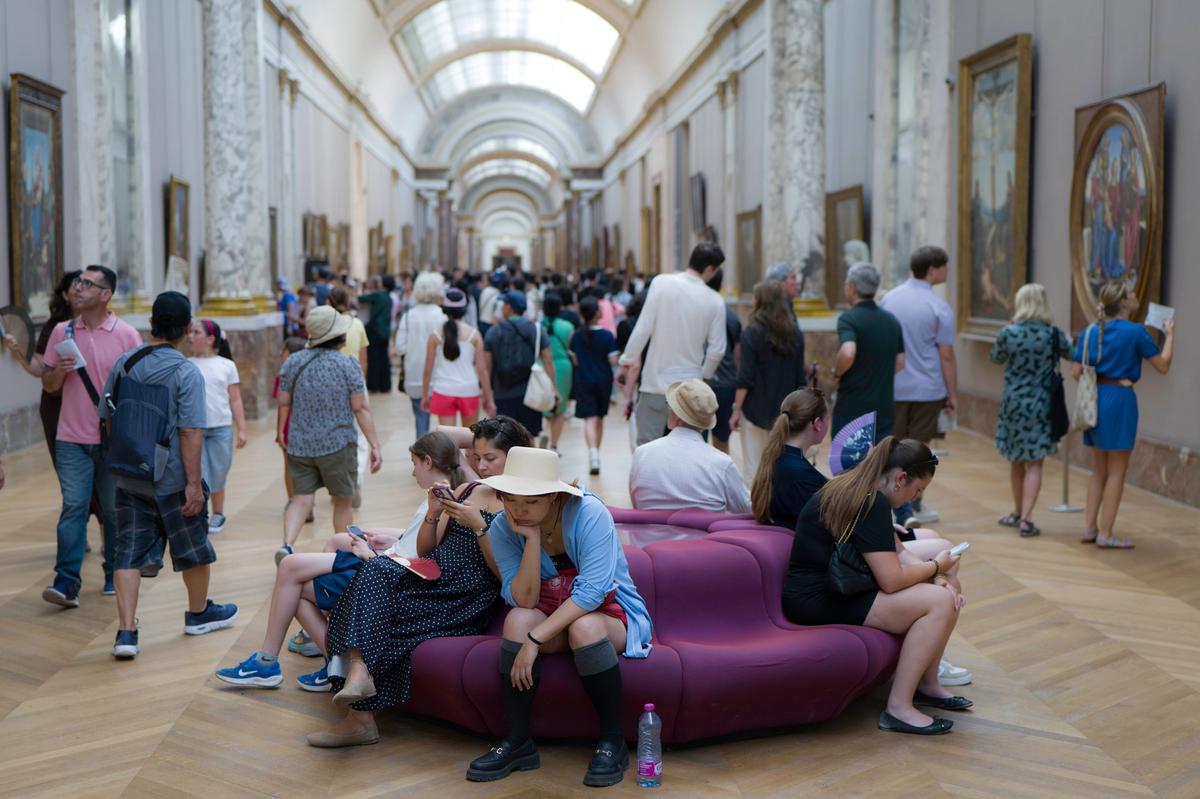
Few other building groups embody this tension more emphatically right now than Europe's museums. Collectively, they are a house divided. With thermometers in most of the western and central reaches of the continent registering in the mid to high 30Cs, those institutions that have temperature control have become integral to their cities' response to extreme heat.
Instagram is full of variations on Staatsgalerie Stuttgart's recent post: "38C in the shade? We have air con in our collection rooms!" In Bordeaux, Nantes, Lyon and Strasbourg, municipalities have made entrance free or kept local museums opened on normal closing days, as vital cool spots—what French pundits are calling "islands of freshness"—within their city-wide strategies for managing the impact of the heatweave.
Those that do not, however, are simply sweating like the rest of us. In Brussels, Amsterdam and Geneva, smaller museums are closing rooms or limiting access often citing interior temperatures reaching 30C. In Paris, the Musée Carnavalet has closed everything but its temporary exhibition rooms, the only ones that are air-conditioned. When contacted by The Art Newspaper, the City of Paris press person, who looks after both the museum and the archeological Crypt of the Ile de la Cité, said no one was available for interviews because "we too are in crisis management".
The question is why the divide. Museum directors and heritage experts highlight that building type, age and structural nimbleness are contributing factors, as is a lack of knowledge and data. The biggest reason, however, is cost. The Musée du Louvre announced on Tuesday it would be closing two hours earlier from Wednesday to Saturday, citing the rising temperatures and difficult visiting and working conditions during the hottest times of the day.
Ann Bourgès is a senior conservation scientist at the French ministry of culture’s Centre for Research and Restoration of France’s Museums and also serves as secretary general of the French chapter of the International Council on Monuments and Sites. She highlights that European museums are often housed in ancient buildings that were "conceived for a climate that no longer exists". She says: "We are not prepared for these events, be it in terms of welcoming visitors or ensuring museum staff are comfortable, or indeed for the conservation of works." The Louvre, she says, is well aware of this, and has embarked on a climatic cartography of its rooms. The museum is also taking part in the European research project, JPI Refresh, which is looking at the impact of the climate on artwork conservation. "We're doing the right thing, but are being taken over by events."
Aqua Sanfelice di Monteforte, the managing director for fine art, jewellers block & specie at the insurance brokers Bridge Specialty International concurs. To her mind, no region in Europe is fully prepared. "Larger institutions with dedicated conservation teams and investment capacity are generally better equipped. However, many smaller or historic institutions are still catching up, especially as temperature extremes are becoming more frequent and less predictable."
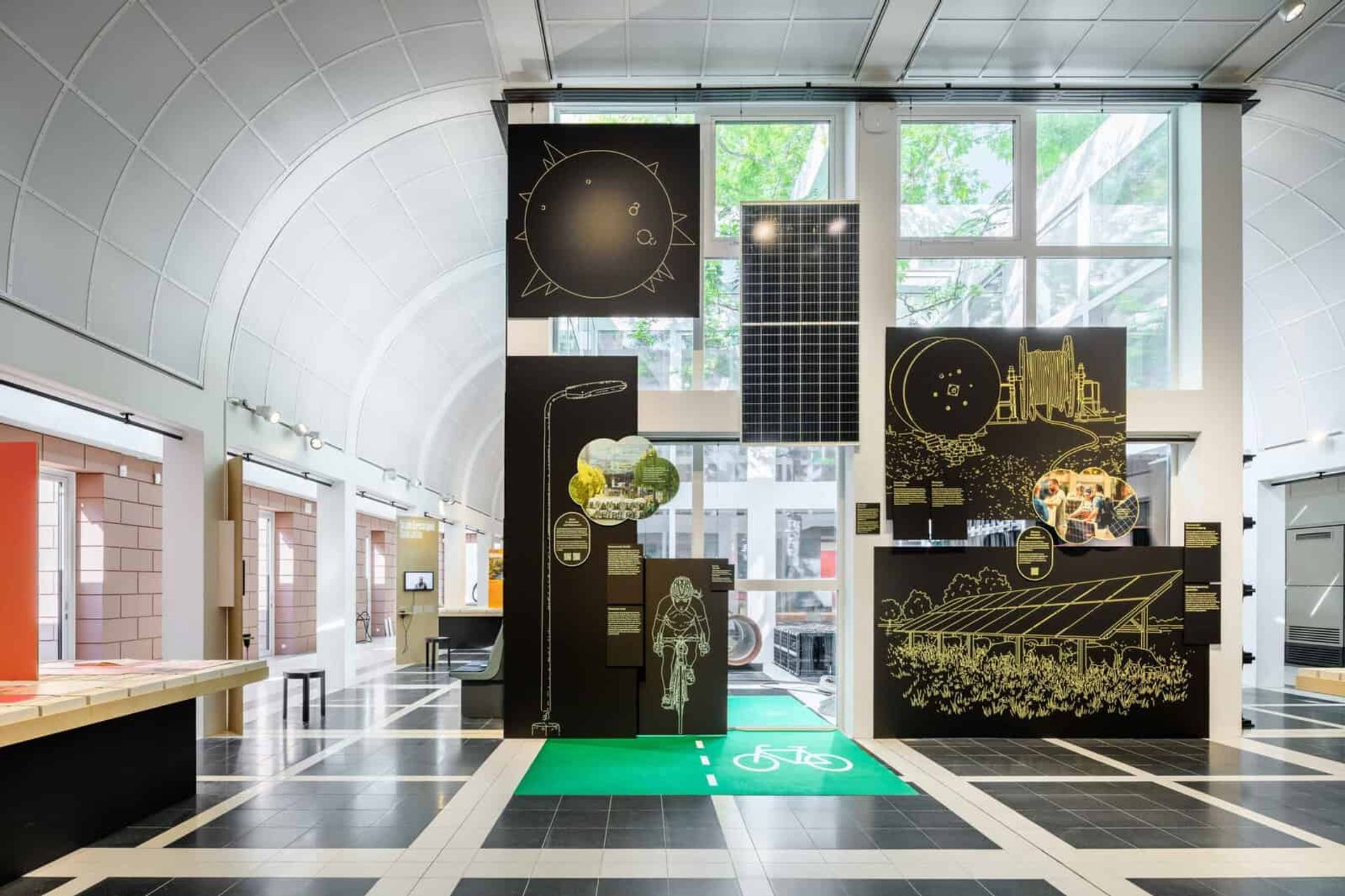
An installation view of TOO HOT: Scorching Cities, New Ideas at Deutsches Architekturmuseum in Frankfurt (until 7 February 2027)
Photo: Moritz Bernoully
The Deutsches Architekturmuseum curators Mathias Schnell, Jonas Malzahn, Katharina Böttger and its deputy director Andrea Jürges, point out that cost is the number-one problem. "Air conditioning is expensive and often in tension with sustainability goals," they say. "Museums across Europe are increasingly becoming part of the urban response to extreme heat, but their level of preparedness varies significantly depending on the building, available resources, and location. Some institutions can adapt relatively quickly, for instance through temporary operational adjustments or by providing climate-controlled spaces, while others face major structural and financial constraints. This is less a question of building age than of the resources and strategies invested in climate adaptation, as older buildings are not necessarily less prepared than newer ones."
Research bears this out. The Network of European Museum Organisations conducted a survey of 578 museums in 38 European countries between April and June 2022. It found that while climate change and sustainability were recognised across the board as "important strategic topics" and something public actions and programmes needed to address, less than one in ten had analysed the challenges associated with climate change in their region and only three in ten museums had analysed the climate impacts they, specifically, were likely to be challenged by. And the basic reason, along with a lack of specific knowledge, was "a lack of funds". Over 50% of respondent institutions reported not having "any climate-friendly construction".