

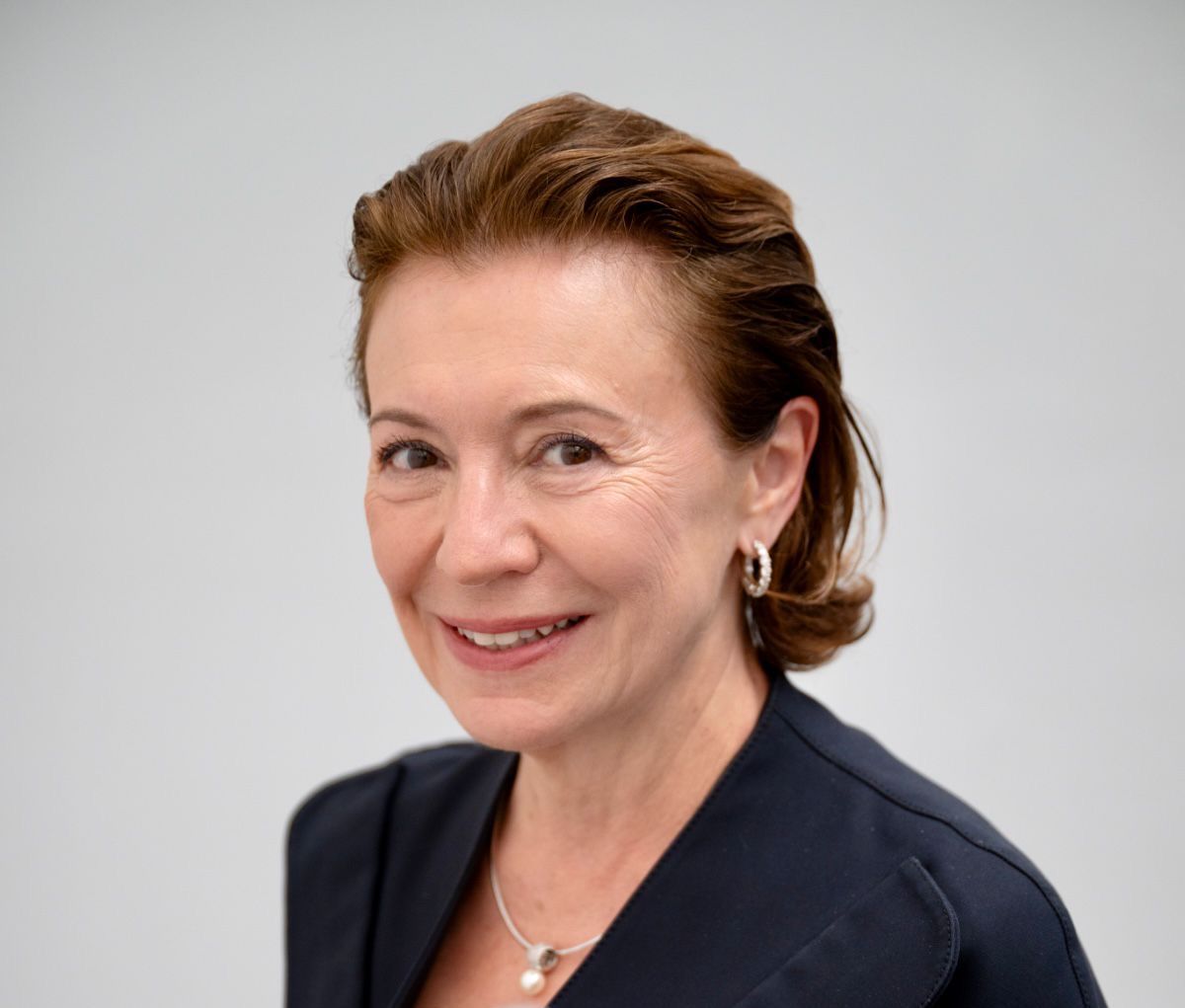
The Kyiv-born collector Valeria Rodnianski believes that an art collection is shaped as much by the works it does not acquire as it is by those it does. Her collection includes blue-chip names like the German artist Anselm Kiefer as well as less familiar artists like the Ukrainian artist Pavlo Makov.
The first public exhibition of Rodnianski’s collection opened last month at the Beck & Eggeling gallery in Düsseldorf (until 15 August). The show, titled Art from War to War: Chasing Butterflies on the Verge of a Cliff, includes works by postwar German artists alongside artists from the former Soviet Union, and spans a period from the building of the Berlin Wall in 1961 to Russia’s full-scale invasion of Ukraine in 2022. The exhibition aims to offer “a rare dialogue between German and Eastern European artistic positions that are often exhibited separately”, according to a press statement.
The Art Newspaper: What was the first work you ever bought?
Valeria Rodnianski: The first works I acquired were by young Kyiv artists at the beginning of the 1990s, shortly before I left Kyiv for Germany. Among them were early works by Ilya Chichkan, who was then at the very beginning of his artistic journey. At the time, I was not building a collection. I was simply living among artists and responding to the energy of a generation that was discovering its freedom after the collapse of the Soviet Union. Looking back, those acquisitions became the foundation of everything that followed.
What was the last work you bought?
The last work I acquired was Icons of Hell by Vadim Zakharov. What attracted me was not only the work itself but also the dialogue it created with another work in the collection: Jonathan Meese's Grosse Tyrannen, which I acquired in 2009.
Although they were created by artists from very different backgrounds, both works explore the mechanisms of power, mythology and collective belief. Zakharov approaches these themes through the language of post-Soviet cultural memory, while Meese constructs his own theatrical universe of symbols and authority. Seen together, they form a conversation that spans more than a decade of my collecting.
How quickly do you decide to buy a work of art?
Much faster than I would like to admit. Research can take years, but the final decision is often immediate. When a work truly belongs in the collection, there is usually a moment of recognition that is difficult to explain rationally. I have learned to trust that instinct.
What do you regret not buying when you had the chance?
Like every collector, I can think of works that slipped away. But I have come to believe that collections are shaped not only by what they contain, but also by what they miss. Regret is part of the story, but so is discovery.
If you could have any work from any museum, what would it be?
I would choose a major work by Anselm Kiefer. Few artists have confronted history, memory and cultural responsibility with such depth and complexity. These are questions that have occupied me as a collector for many years, and Kiefer remains one of the artists whose work continues to resonate most strongly with me.
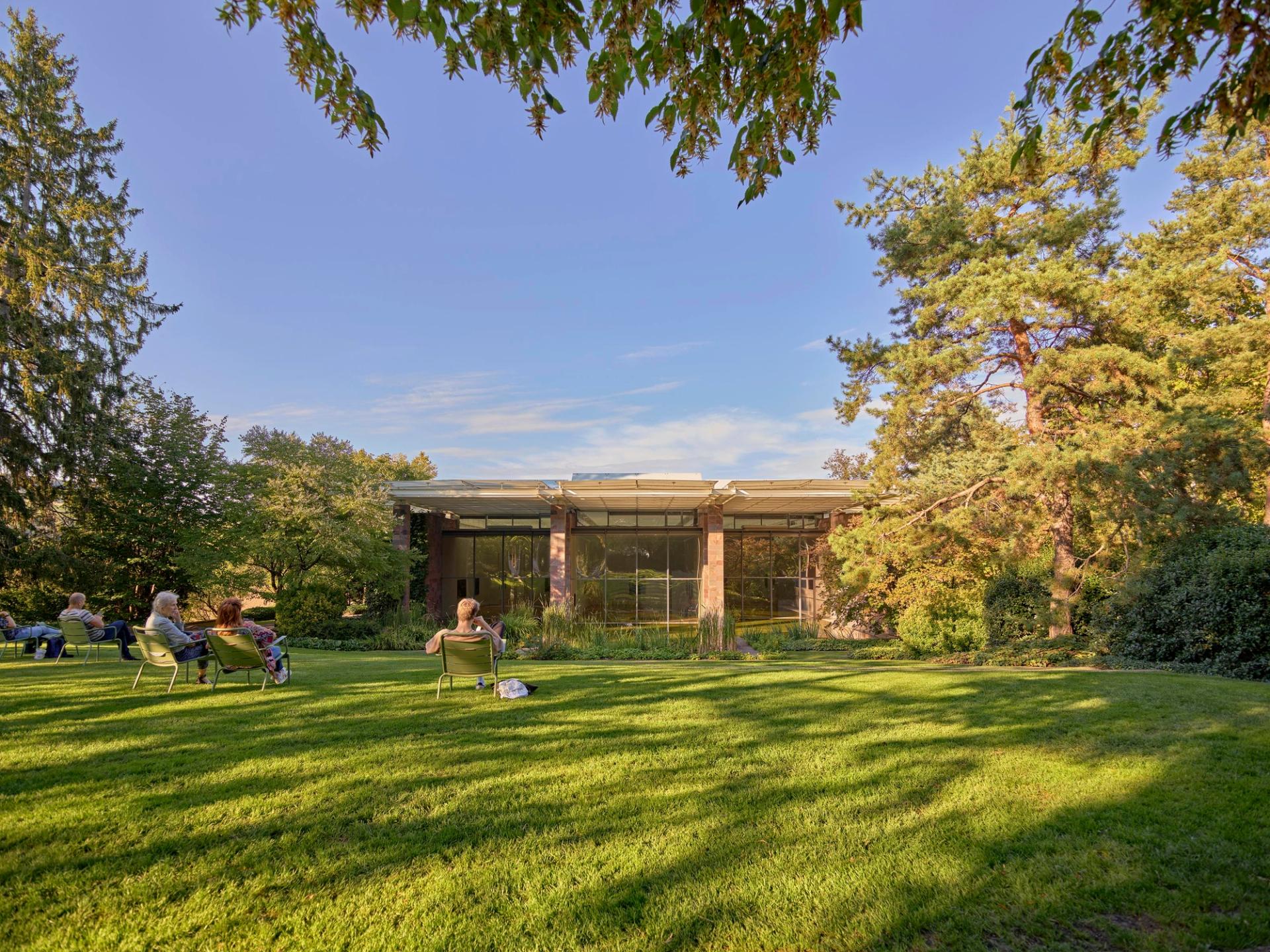
Rodnianski is a big fan of the Fondation Beyeler: It brings together everything I value in a museum" Mark Niedermann
At the same time, if I am allowed a collector's wish rather than a museum fantasy, I would love to acquire another significant work by Pavlo Makov. More than 20 years ago I bought two of his works, but one of them was mysteriously lost over the years. Makov is, in my view, one of the most important Ukrainian artists of his generation and still significantly underestimated by the international art world. His work combines intellectual rigour, historical sensitivity and poetic subtlety in a way that is exceptionally rare. I hope that one day his place in the broader narrative of European contemporary art will be fully recognised.
What is your favourite museum in Basel?
My favourite museum in Basel is the Fondation Beyeler. It brings together everything I value in a museum: a superb permanent collection, consistently strong exhibitions and an exceptional architectural setting. The building, designed by Renzo Piano, is a masterpiece in itself. Its light, proportions and connection to the surrounding park create a sense of harmony that enhances every encounter with the artworks. It is one of those rare places where the collection, the exhibitions and the architecture work together perfectly.
• Art from War to War: Chasing Butterflies on the Verge of a Cliff, Beck & Eggeling, Düsseldorf, until 15 August