

A court ruling that hung on a single French sentence has found that a Dutch museum does not have to return a bequest of 25 paintings, including five Rembrandts.
Abraham Bredius, once the director of the Mauritshuis in The Hague, left a group of paintings to the public museum in a will made in Monaco in 1944. It said that the works must remain on display exclusively in that museum—or, in the original French, that “[ils] devront rester exposés exclusivement dans ledit Musée”.
However, since not all of the paintings are on permanent show there, the heirs of Bredius’s partner, Joseph Kronig, went to court to ask for their return. They pointed out that the will did not mention storing some of the works in a nearby depot and making them available to view on request or online.
“We did not bring these proceedings because we wish to reclaim the artworks,” said one of the heirs, Otto Kronig, in a statement. “We brought them because we believe that a testator’s final wishes should be respected. What is troubling about this judgment is that the court does not start from what Bredius actually wrote, but from what museums today consider practical.”
Their lawyer, Gert Jan van den Bergh, said that they would take the case to the appeal court to test the principle that museums only have to follow the terms of a will “until a museum finds it inconvenient”.
The Mauritshuis welcomed the court’s decision last week and said that part of the collection is on permanent display and the rest is on rotation in temporary exhibitions. “As the lawful custodian of the bequest of former director Abraham Bredius, the Mauritshuis has always handled the works with great care, in accordance with the conditions attached to the bequest,” its directors said in a statement.
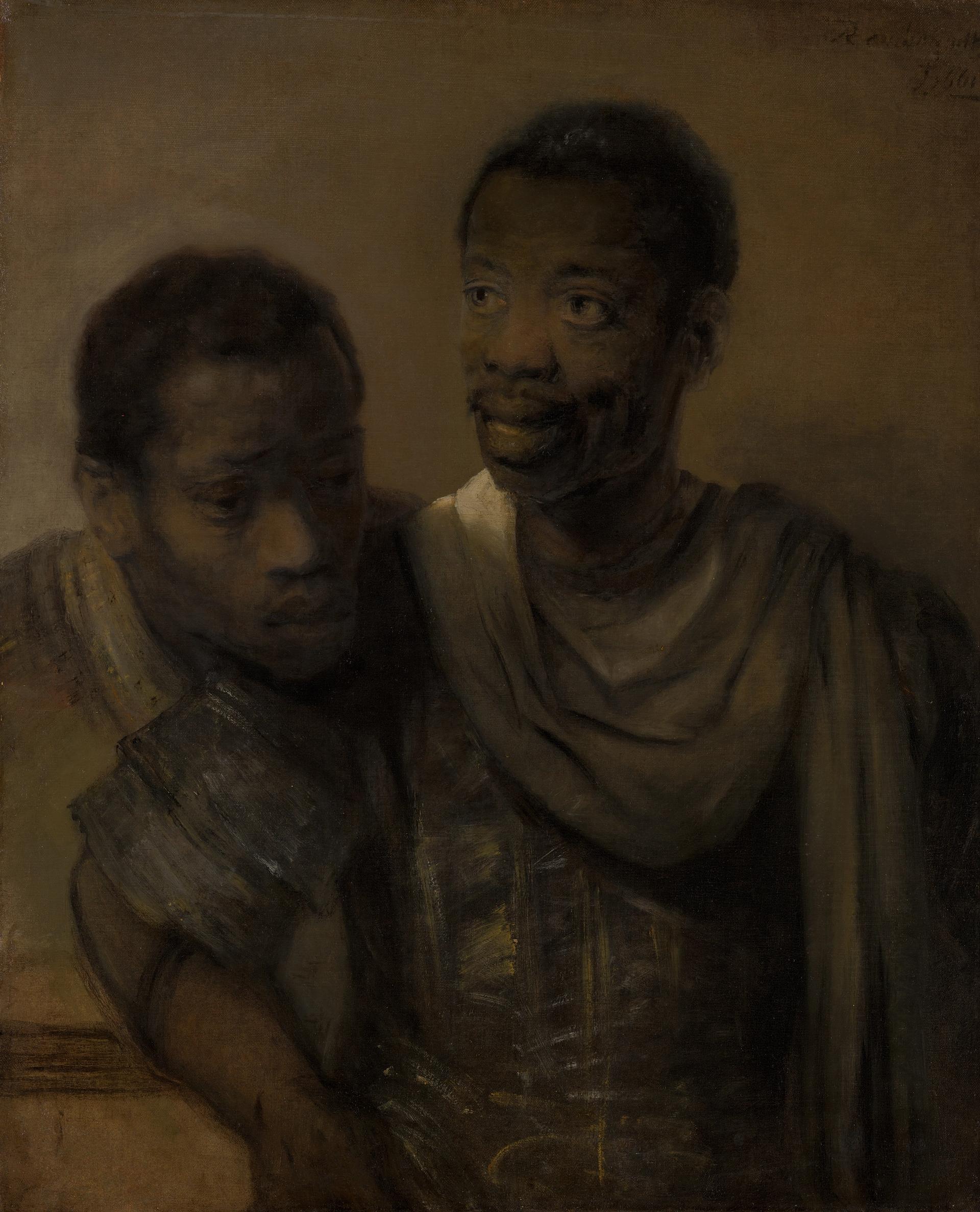
Rembrandt van Rijn, Two African Men (1661) Courtesy of Mauritshuis
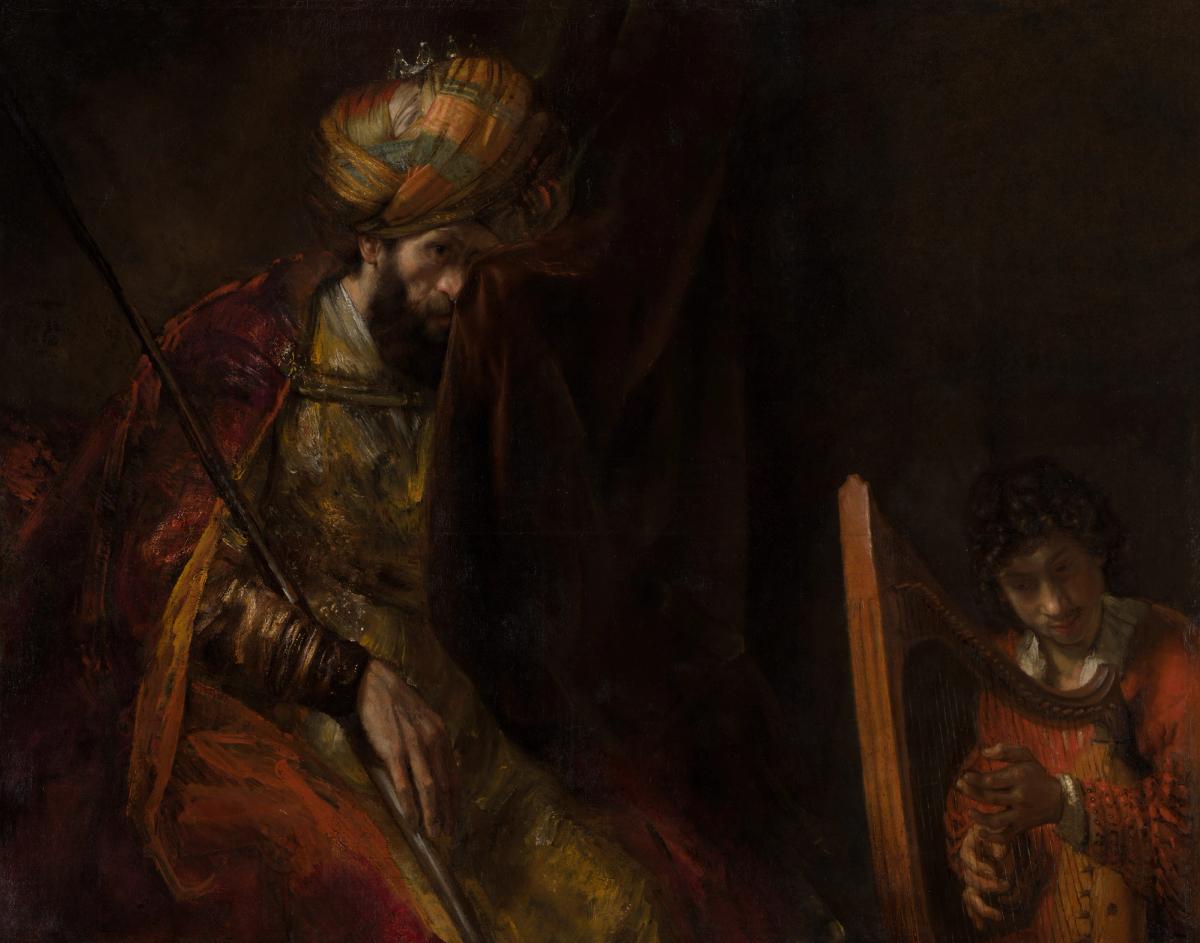
The Bredius bequest includes paintings by Jan Steen and Salomon van Ruysdael plus works by Rembrandt—which are still on display—such as Saul and David (c.1651-58) and Two African Men (1661).
Olav Velthuis, a sociology professor at the University of Amsterdam who has studied cultural philanthropy, says that if the heirs win on appeal, it could make museums more hesitant about donations, since gifts must always “compete” with subsequent additions to the collection. “Guaranteeing that donated works will permanently and forever be on display in the museum is a commitment that museums are unable and unwilling to make,” he says.
It is not the first case to test the limits of a public donation. Last year, the London art dealer Angus Neill asked the National Gallery in London to return his gift, Christ Carrying the Cross (c.1500), attributed to the workshop of 15th-century painter Giovanni Bellini, because it was taken off display.