

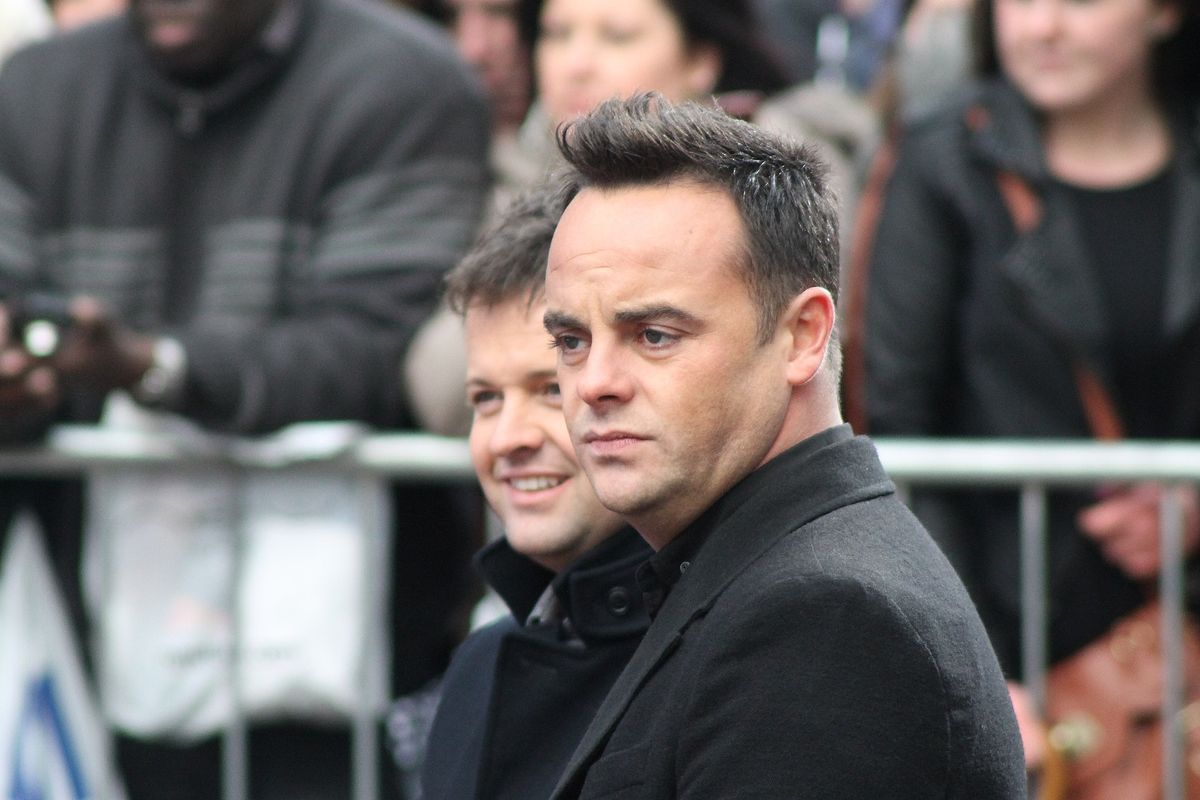
The UK television personalities Ant McPartlin and Declan Donnelly—known together as Ant and Dec—have won a court order to trace transaction details of artworks they own, after an intermediary took "secret and unauthorised profits" from the sales, they claim.
A UK High Court judge ruled on 4 March that there is an "arguable case" for the court order, which was filed by McPartlin and Donnelly in August 2025. It centres on a relationship between the duo and an unidentified art consultant, only referred to in the filing as ‘X’. The anonymous party handled the pair’s purchase of six Banksy prints for a combined £550,000 from the art dealer, Andrew Lilley [of Lilley Fine Art ltd]. However Lilley allegedly received only £300,000 for the works.
McPartlin and Donnelly are seeking clarification over this £250,000 discrepancy and have expressed concern that "secret and unauthorised profits" may have been taken within the chain of transaction. Lilley will now be forced to reveal to disclose details of his trading with the unnamed intermediary. The court heard that previous requests for these details had been refused, on the basis of confidentiality. The claim does not accuse Lilley or his company of wrongdoing.
The court heard that the consultant had been appointed on an agreed 10% commission and that the working relationship ended in September 2021.
The duo also claim they received £11,000 for their sale of one of Banksy's Napalm prints, via the intermediary, which they now believe sold for £13,000. Information regarding 22 sales are being sought.
Lilley told the BBC that the dispute is ultimately “a matter for the courts now and between A&D [Ant and Dec] and the third party [X]”.
Judge Iain Pester ordered the information to be handed over on 4 March, following a hearing the day before. Representatives for all parties had not responded to The Art Newspaper’s request for comment by the time of publication.
McPartlin and Donnelly's case focuses on obtaining information via the Norwich Pharmacal Orders [NPOs], a court-order which requires a respondent to disclose documents or information to the applicant.
In a 2020 case (Hickox v Dickinson), an NPO was granted, requiring the art dealer Simon Dickinson, who had acted as agent in the sale of a Paul Signac painting, to disclose the identity of the purchaser and other information about the transaction.
“Norwich Pharmacal Orders are used as a standard tool for obtaining disclosure that we frequently deploy or consider in relevant circumstances," says Amanda Gray, a partner at Mishcon de Reya. "The interest here is no doubt due to the parties involved. The court will take certain factors into account in advance of granting an NPO, as has been reported here."