

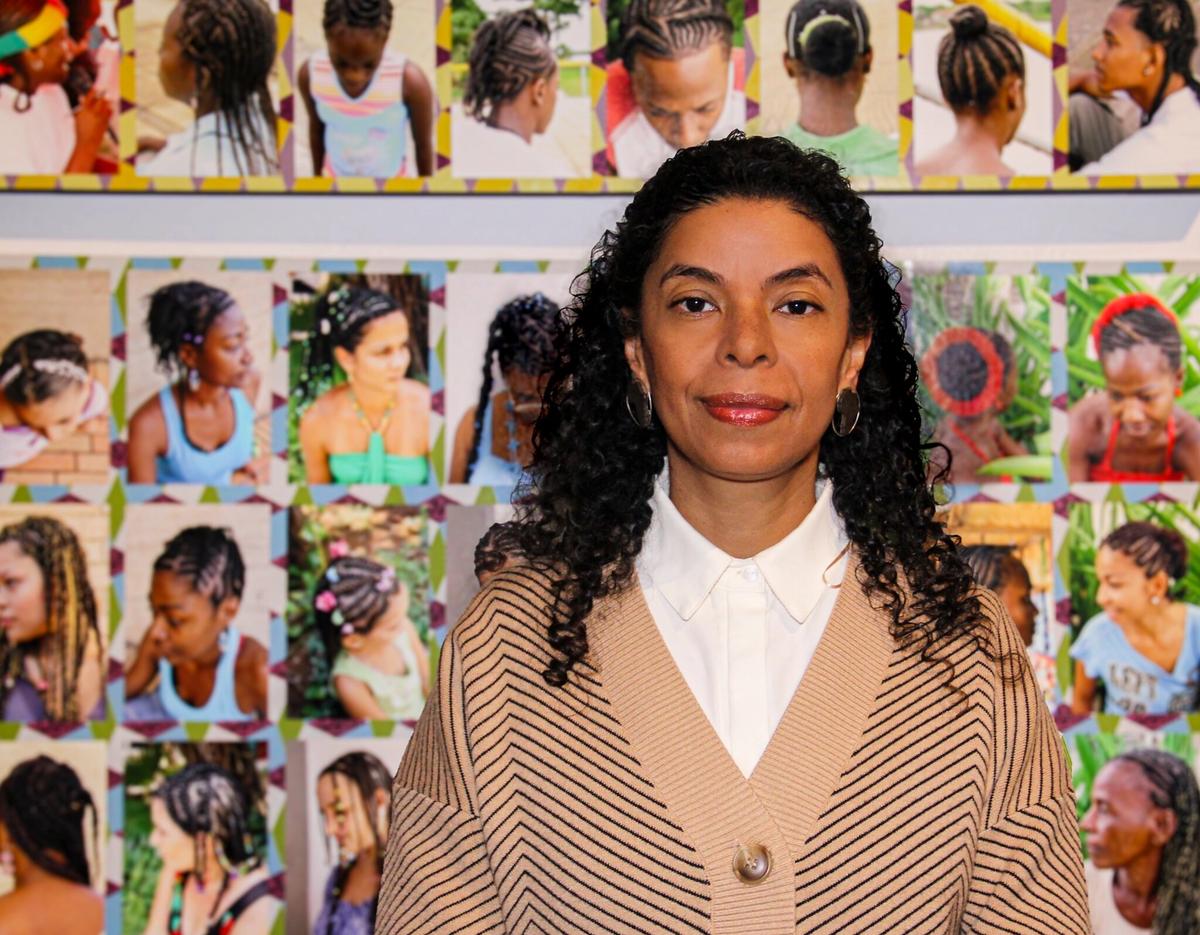
Liliana Angulo Cortés, the first Afro-Colombian artist to lead Bogotá’s Museo Nacional de Colombia, died on 21 February at age 51. She was a driving force behind a profound institutional shift centred on historical reparation, and her tenure advanced a critical reinterpretation of the collection at the country’s oldest museum.
The Museo Nacional, founded in 1823 under a mandate by Simón Bolívar, is one of the oldest on the continent. Its collection ranges from pre-Hispanic artefacts to contemporary art, reflecting more than two centuries of nation-building.
Although the museum had already begun revising its curatorial priorities in 2011 to incorporate more diverse perspectives, Angulo’s appointment in March 2024 marked a decisive acceleration of that shift. She sought to reposition the institution as a space for confronting colonial memory and the historical marginalisation of Afro-Colombian and Indigenous communities.
An artist and researcher born in Bogotá in 1974, Angulo studied at the Universidad Nacional de Colombia and earned a Master of Arts degree from the University of Illinois Chicago as a Fulbright scholar. Her practice focused on the body, race and the representation of enslaved people and Afro-Colombian communities, drawing on archival documents and museum collections. Working across multiple media, she examined the visual narratives that shape Colombia’s national identity.
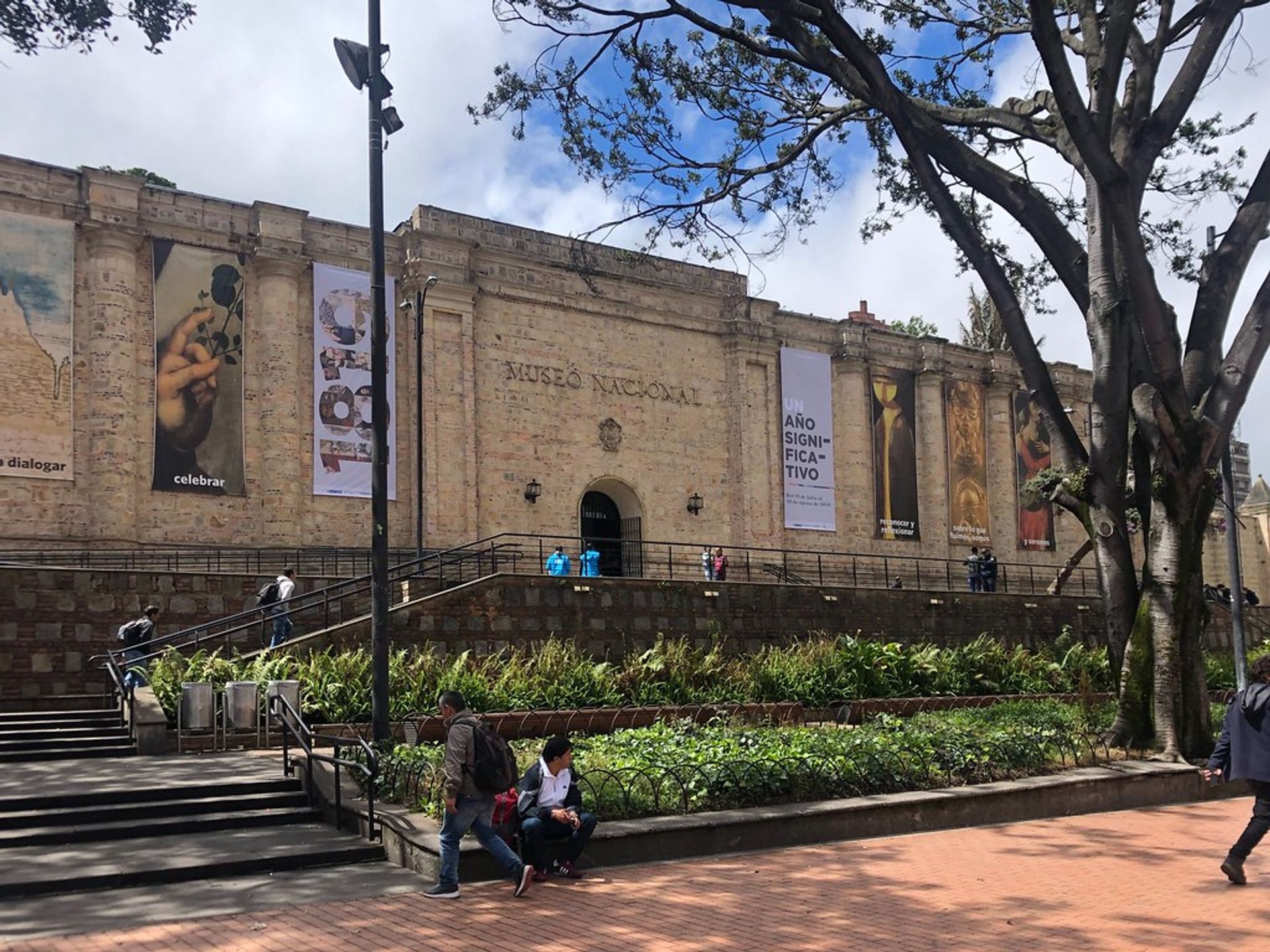
Museo Nacional de Colombia, Bogotá Courtesy Museo Nacional de Colombia, Bogotá
Angulo’s arrival at the Museo Nacional marked a turning point, as she sought to reshape its narrative and approach to presenting Colombia’s cultural history. Under her leadership, the museum expanded initiatives such as the Laboratorio para la Reparación y el Antirracismo, which examines how national collections shape ideas of identity and belonging. In interviews following her appointment, Angulo acknowledged longstanding gaps in the museum’s holdings and criticised the predominance of centralised historical narratives that had left Afro-Colombian communities under-represented.
Her death interrupted a period of nearly two years of relative stability at the museum, which in early 2024 faced an administrative crisis tied to a controversial bidding process that led to the resignation of then-director William Alfonso López Rosas.
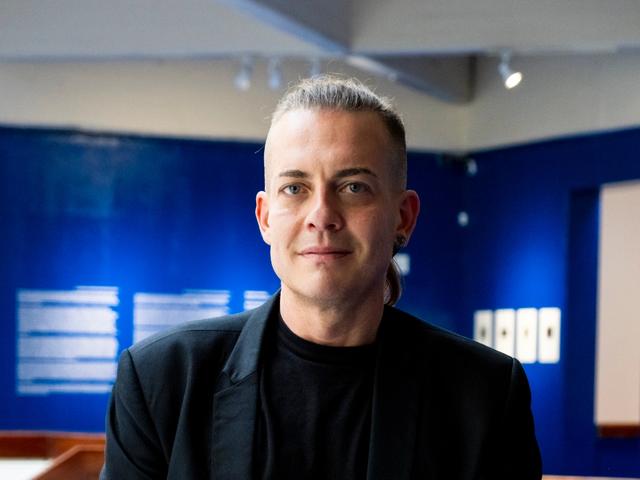
In a statement, a spokesperson for Colombia’s Ministry of Culture described Angulo’s death as “a significant loss for the Colombian cultural sector”, noting that she had promoted the recognition of experiences and identities long excluded from official cultural institutions. (The cultural ministry did not respond to requests for comment regarding the Museo Nacional’s immediate future.)
Cultural organisations across the country also reacted to the news. The Museo de Arte Moderno de Medellín posted a message on Instagram noting that Angulo “represented a shift in how Colombian contemporary art is understood”, while a post from the Centro Nacional de Memoria Histórica noted that Angulo’s life and work “were devoted to the defense of Afro-descendant culture, the preservation of its history and the dignifying of its memory”. The National Library of Colombia added in its own social media post that “her critical legacy was and will continue to be transformative for art and for the country”.