

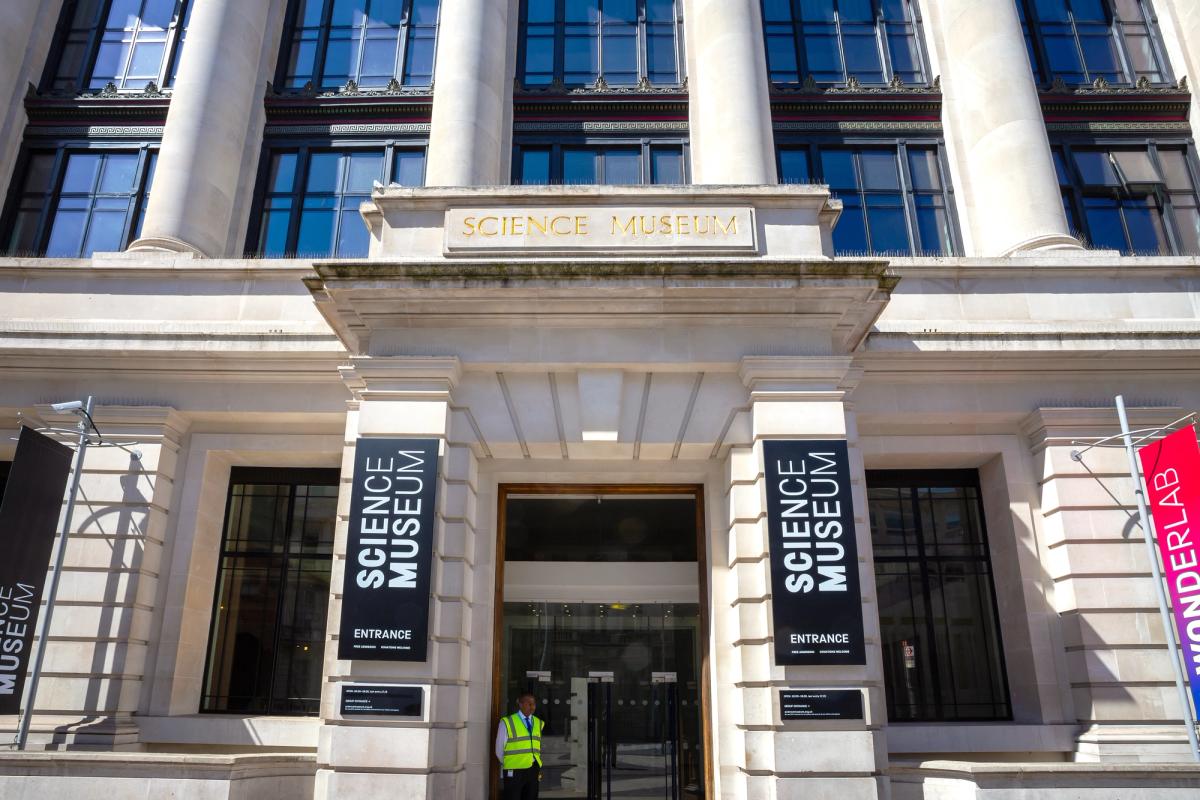
An Indigenous Brazilian leader has condemned the Science Museum for accepting sponsorship from BP on the eve of a new exhibition highlighting climate breakdown in Latin America.
Ninawa Huni Kui is the leader of the Huni Kui (Kaxinawá) people from Acre, Brazil, and a prominent advocate for indigenous rights and environmental justice. He has criticised the museum for taking money from BP as it prepares to open Water, Pantanal, Fire, an exhibition spotlighting the threatened Brazilian wetland ecosystem.
“These funds are dirty funds—indeed, stained with blood. The blood of communities that are completely destroyed by the actions of oil companies,” Ninawa Huni Kui said in a statement. “We repudiate these initiatives, including those involving representatives of the Brazilian state.”
The exhibition focuses on the Pantanal, a diverse wetland spanning Brazil, Paraguay and northern Argentina. The Museum describes it as an “extraordinary ecosystem now threatened by deforestation, intensive farming and climate change, all contributing to the destructive droughts and wildfires that have ravaged the wetland in recent years.”
BP’s sponsorship of the museum has long drawn ire, in part because the oil company pursues an “all out for oil and gas” strategy, including plans to exploit deep drilling at the recently discovered Burmerangue site off the coast of Brazil. The project has been criticised by campaigners and oil and gas unions due to its threat to ocean ecosystems, elevated carbon dioxide levels, and lack of revenue flowing back into the Brazilian economy.
Savio Carvalho, the managing director of campaigns and networks covering Brazil for the climate change NGO 350.org, said in a statement: “It is deeply contradictory for a science museum sponsored by BP to host events on climate impacts in Brazil while normalising a company whose business model depends on expanding fossil fuels.”
“BP's projects—past and proposed — pose serious threats to ecosystems and communities, from the Pantanal to coastal and offshore territories,” he continued. “You cannot meaningfully address climate breakdown while offering public legitimacy to the very companies driving it."
The exhibition is the second of the Science Museum's initiatives as part of the UK/Brazil Season of Culture, which also includes a panel discussion “exploring the roles and responsibilities of museums in shaping public perceptions of climate change and sustainability”, promoted by the Brazil embassy in London with support from the British Council.
BP and Adani, the museum's sponsors, are among the world's biggest fossil fuel producers. Adani is the world’s second largest developer of coal-fired power, while BP is one of the world's biggest oil companies, which recently pivoted away from investing in renewables.
Isobel Tarr, the co-director of Culture Unstained, said: “Powerful photography, art exhibitions and events which shine a spotlight on the impacts of climate change in Brazil can be valuable in raising awareness and driving climate action, but those aims are clearly undermined when the host institution—the Science Museum—continues to be a staunch ally of BP, one of the major polluters driving those impacts on Indigenous communities.”
The criticism comes amid a growing boycott of the museum. In addition to more than 400 teachers and scientists who pledged to boycott in 2022, the National Education Union has since July 2025 urged teachers and schools to “press pause" on school trips until sponsorships with BP and Adani are dropped. According to Education Climate Coalition, 30 schools have effectively ruled out Science Museum trips with 500 parents writing letters urging their children's schools to join the boycott.
A Science Museum Group spokesperson said: “Engaging our audiences with the science of climate change is a key priority for us... As a charity and part-public funded institution, we rely on donations from the public, philanthropic gifts and sponsorship from companies to help achieve our mission of engaging the public with science and inspiring the next generation. External funding is helping transform our five museums, creating inspiring, free spaces where millions of visitors can engage with science.”