

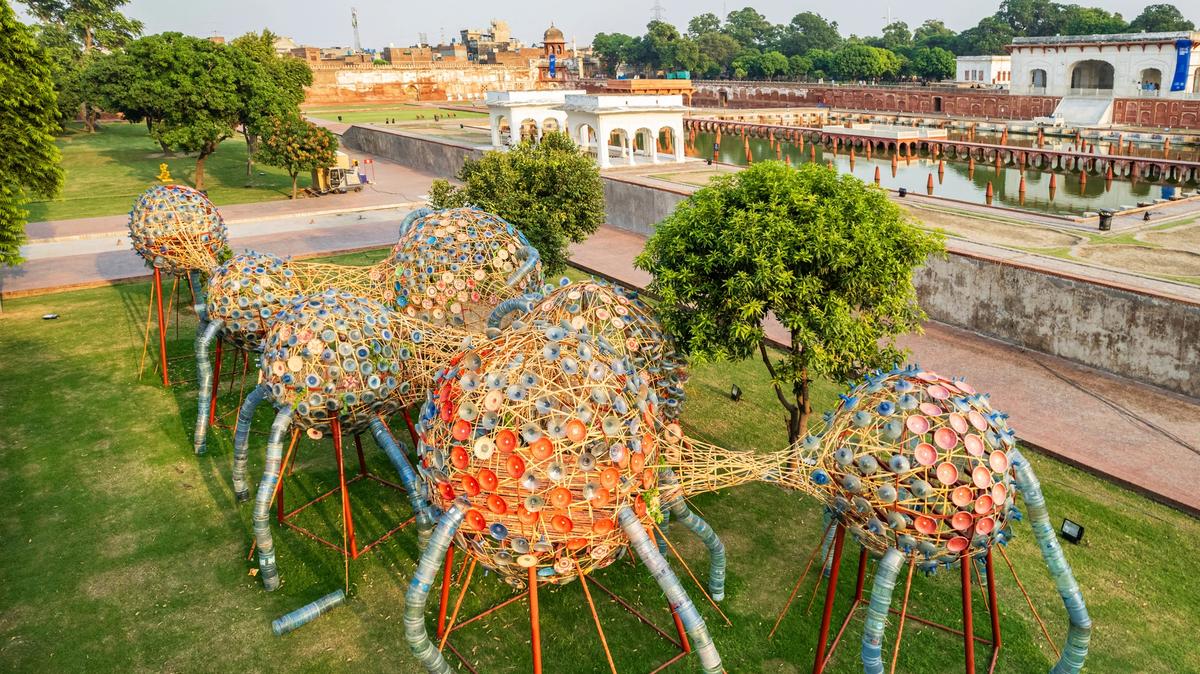
The fourth Lahore Biennale, scheduled to open in January 2027, will focus on “the vitality of society and culture across borders”, according to a press release—a poignant topic in a year that marks the 80th anniversary of the independence of Pakistan and the Partition of India. The event, held in the historic heart of Lahore, will be curated by Nav Haq, the associate director of the Museum of Contemporary Art Antwerp.
Haq describes Lahore as “a long-established metropole for art and culture” that has “a very rich and very interesting history in the 20th century of cultural and intellectual cooperation amongst peoples”. Speaking to The Art Newspaper, he says that the previous editions of the Biennale, founded in 2014, did a “really good job of rooting themselves locally but looking outward”. For the fourth edition, Haq wants to “look at the story of the global history of culture and the place of Lahore in that”, he says.
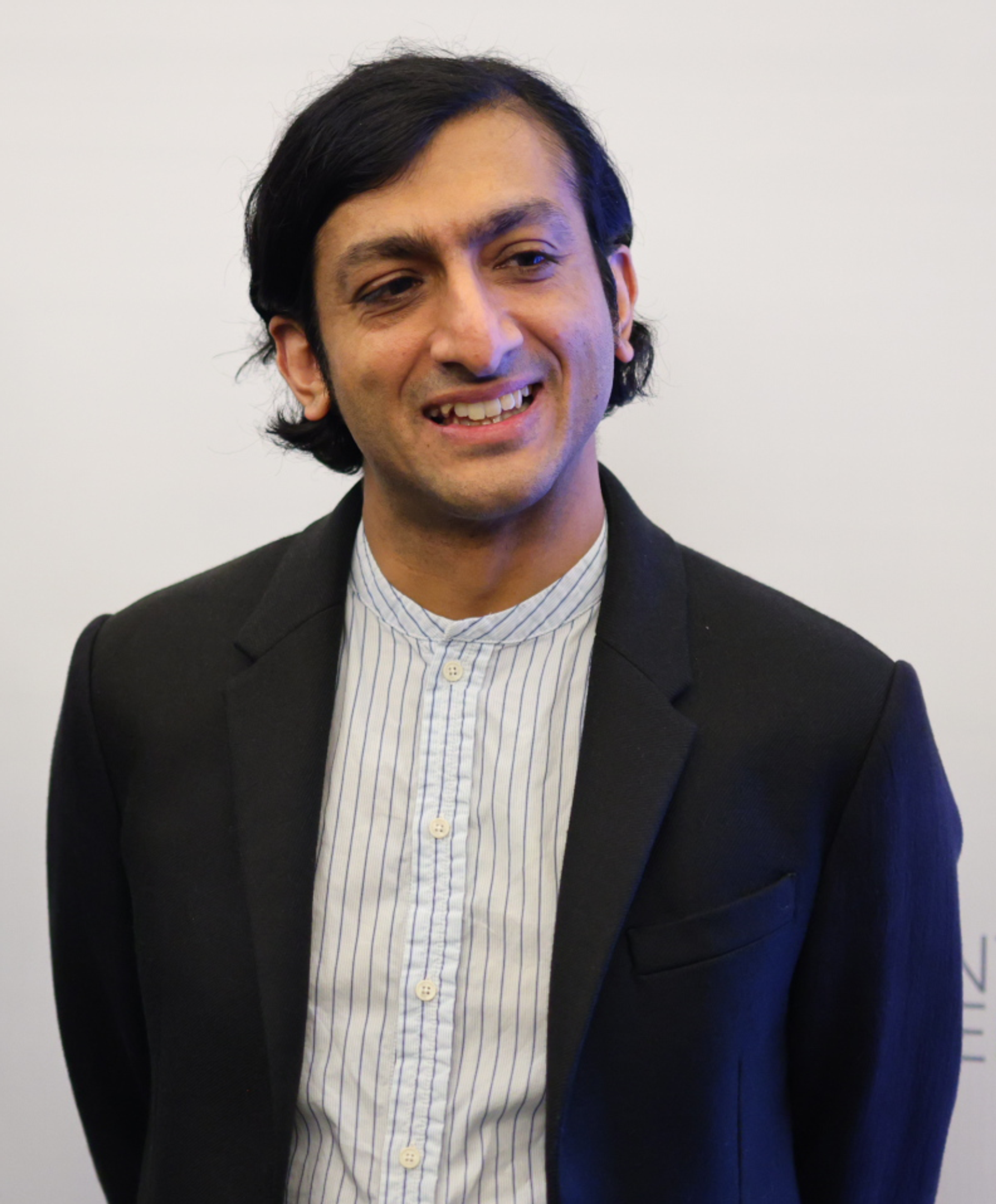
Nav Huq will curate the Fourth Lahore Biennale
Courtesy of the Lahore Biennale Foundation
Haq, a British writer and curator of Pakistani heritage, had served as a curator at Arnolfini in Bristol and Gasworks in London before joining the Antwerp museum. According to a statement from the Lahore Biennale Foundation, Haq’s artistic practice is “grounded in values of coexistence and progressive internationalism, [and] developed in response to the conditions of an increasingly multipolar 21st-century world”.
Coexistence and internationalism will take on a vexed significance for a biennial held in Lahore, which lies near the front-line of a conflict fought last May between India and Pakistan—the fifth such confrontation since the two countries’ independence. In this context, Haq describes the biennial as “a proposition that there should be a space for cultural internationalism rather than just political division”. He hopes to draw on “artists who have been active over the years in developing connections between India and Pakistan”. He says, “A really prime example of this is [Indian artist] Shilpa Gupta—she has collaborated with lots of Pakistani artists, including Rashid Rana.”
In this way he will be building on the foundations of previous editions of the Biennale. The third edition saw installations by Indian and Pakistani artists displayed across the old city of Lahore, including at magnificent sites like Tollinton Market, where Rudyard Kipling’s father curated a museum of Indian art. The Lahore Fort, which has been continuously used by successive governments for 500 years, hosted thought-provoking multimedia works tackling universal concerns, such as climate and gender, as well as the particular cross-border heritage of South Asia.
According to the Biennale’s director Qudsia Rahim, a “core objective” of the event is to “activate historic spaces”, highlighting the layered artistic significance of precious and unique pieces of heritage that continue to be used every day by Pakistanis. The Punjab Public Records, for example, is housed within a Mughal baradari pavilion that, legend has it, holds the immured remains of an ill-fated 17th-century princess. Rahim describes Lahore as a “palimpsest” and the Biennale as “an embodied experience that quietly references [the city’s] storied history.”