

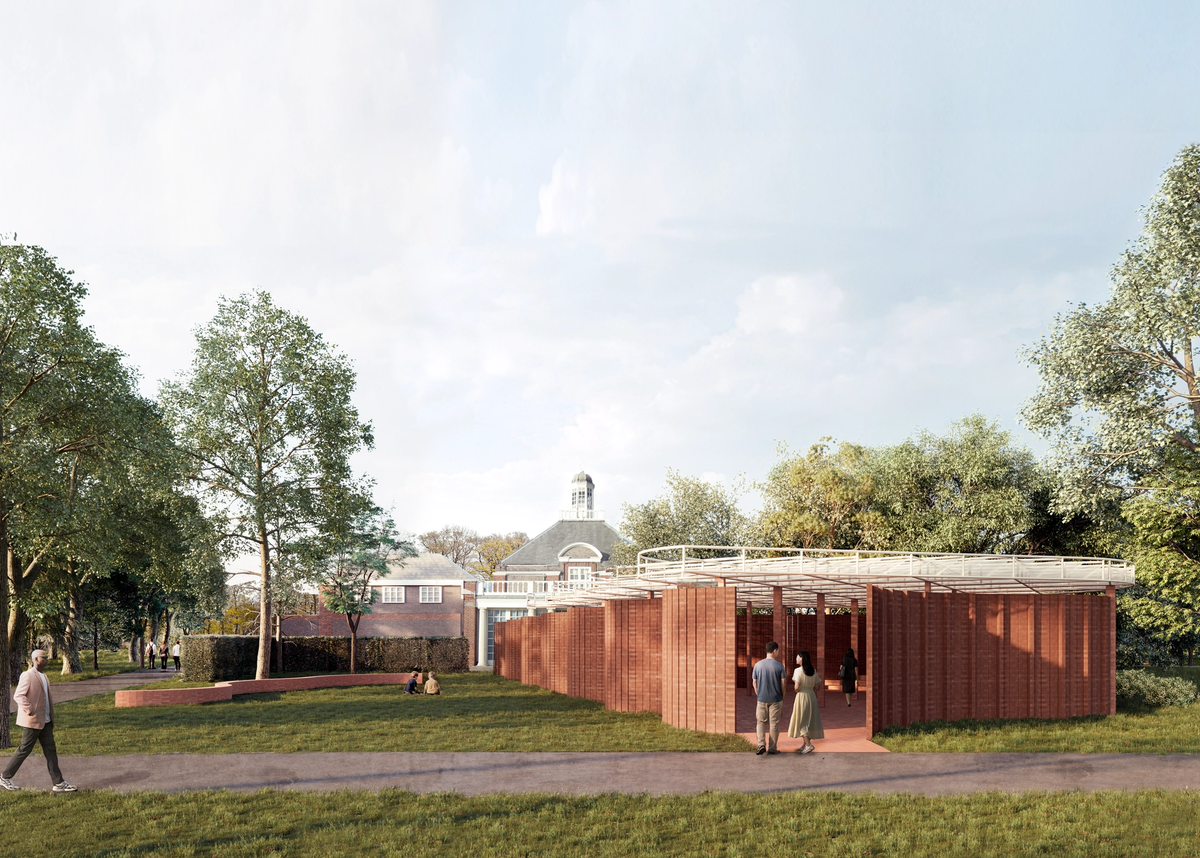
The Mexican architecture studio Lanza atelier, founded by Isabel Abascal and Alessandro Arienzo in 2015, will design this year’s Serpentine Pavilion in London.
The high-profile architectural platform, which is erected every summer in Kensington Gardens, has become a major fixture in the capital’s arts calendar. The 25th pavilion (6 June-25 October), entitled a serpentine, will be sponsored by the investment bank Goldman Sachs, which has supported the project for the past 12 years.
To mark the 25th anniversary, the Serpentine will collaborate with the Zaha Hadid Foundation, launching a dedicated programme on architecture at Serpentine South gallery. The initiative brings together architects, thinkers and cultural practitioners who will explore contemporary issues in architecture and Hadid’s legacy.

Isabel Abascal and Alessandro Arienzo of Lanza atelier
© Pia Riverola
For this year’s pavilion, Lanza atelier took its inspiration from the English architectural feature known as a serpentine—or crinkle-crankle—wall which forms one side of the pavilion, according to a Serpentine statement. This type of brick wall, composed of alternating curves, originated in ancient Egypt and was introduced to England by Dutch engineers in the 17th century.
Lanza explains the choice in a statement: "Inspired by the figure of the serpent as a generative and protective force, we draw a parallel with England’s winding fruit walls, which are structures that temper climate, create shelter and enable growth.”
Other features of the pavilion include a translucent roof resting on brick columns and an outdoor area bordered by a winding brick bench. "We believe that most of the pavilions [made previously]—it's always like a centrepiece where you just enter and that's it, and the garden around is just like a residual space," Arienzo told Dezeen. "It was important to also pay attention to the outside space.”
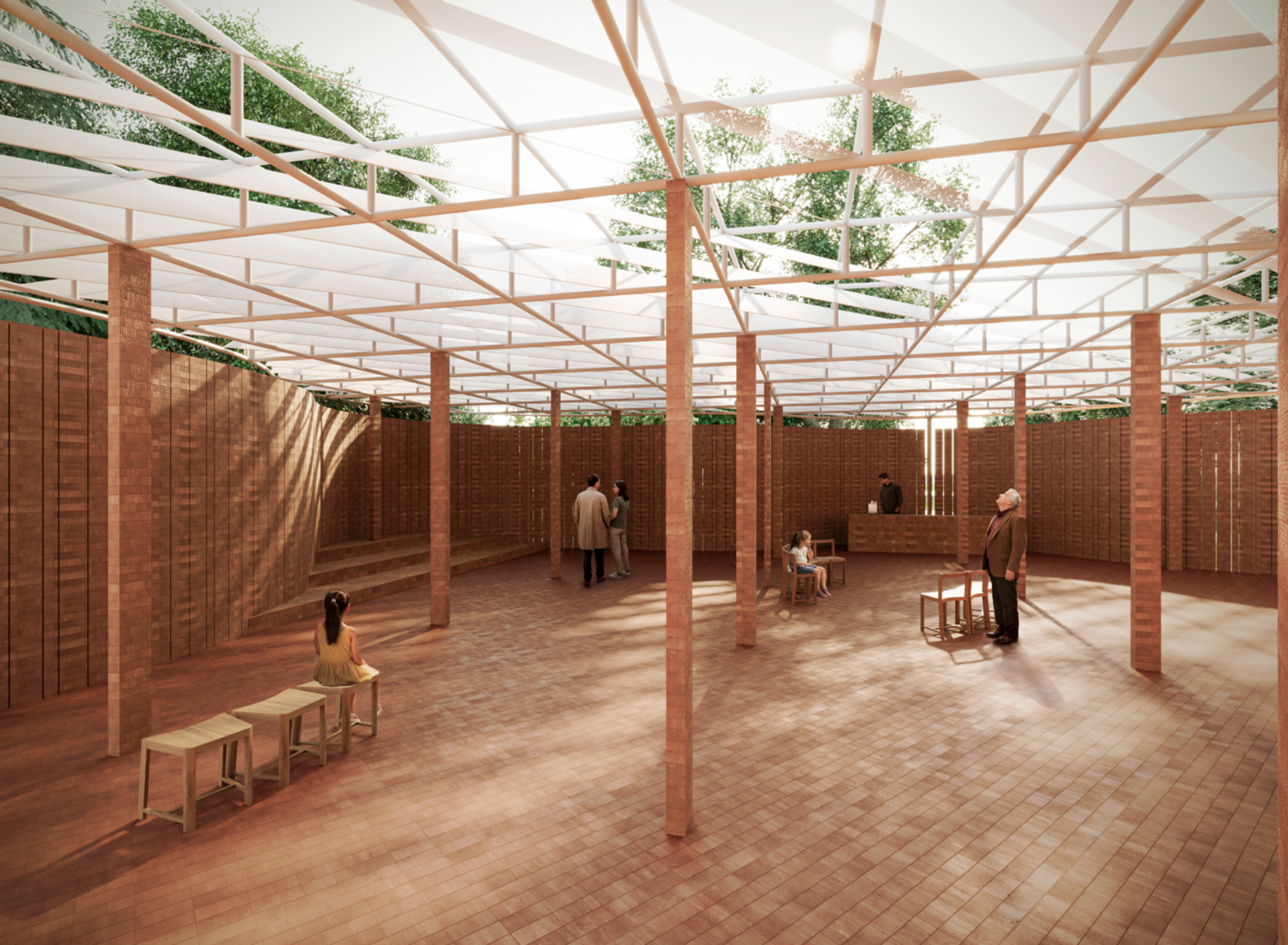
A design render of a serpentine showing the translucent rood
© Lanza atelier, courtesy Serpentine
The Serpentine Pavilion launched in 2000 as a platform for major international names to build their first structures in the UK capital. Past pavilions were designed by Zaha Hadid (2000), Frank Gehry (2008) and Sou Fujimoto (2013). Last year’s pavilion was created by the Bangladeshi architect and educator Marina Tabassum.
Hans Ulrich Obrist, the artistic director of the Serpentine, says in a statement: “We will remember Zaha Hadid (1950-2016) who gave us our motto that ‘there should be no end to experimentation’. As we mark the 25th Pavilion, we reflect on these origins. Since its inception in 2000, the pavilion has acted as a catalyst for architects at pivotal moments in their careers.”