


On New Year’s Eve, how many people were counting down the final seconds of the old year while thinking about copyright and the public domain? Not many, I dare say.
But for those who follow copyright matters, particularly copyright in older works of art, the beginning of the new year provides an important yardstick. This is because the calculation of copyright’s duration always takes us to 31 December of any given year. This end-of-year rule was set out in an important copyright treaty, the Berne Convention of 1886. In many countries, copyright in an artwork will last 70 years from the end of the year in which the artist died, meaning that on 1 January many artistic creations enter the public domain.
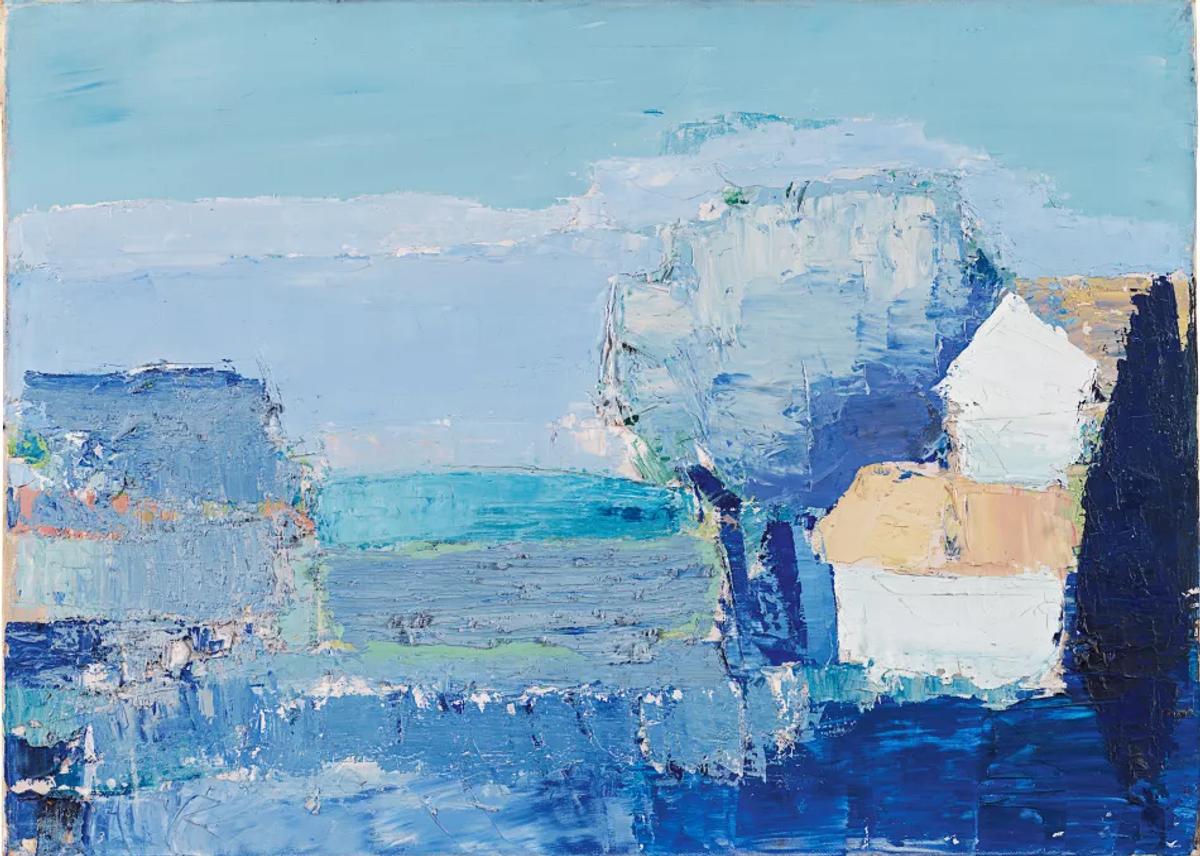
For 2026 this includes artworks by Fernand Léger, Nicolas de Staël and Maurice Utrillo (all of whom died in 1955) across the EU, the UK and other countries with a life-plus-70 rule. In such countries, these works can now be reproduced, published, digitised and shared online without needing permission from the copyright owners.
The public domain is a wonderful “place”: it allows free use and is open to everyone. Some use the beginning of the year as an excuse to rediscover and celebrate works that have entered the public domain. For example, The Public Domain Review website on 1 January wishes everyone a “happy Public Domain Day”.
But some countries have different durations. Many stick to the Berne Convention minimum, which is a shorter life-plus-50 rule. For them, works by Léger, de Staël and Utrillo are old news, having been in the public domain for 20 years already. Instead, this year they celebrate the public domain debut of artists who died in 1975, like Barbara Hepworth. Many countries in Asia, the Middle East and Africa—and, for now, New Zealand—are in this group. They are lucky, as works by Picasso (who died in 1973) are already in their public domain, even if those same works are still in copyright across Europe until 1 January 2044.
Then we come to America, the Wild West. Although the US is party to the Berne Convention and protects copyright for life-plus-70 years, this only applies to works created after the enactment of the current law, the Copyright Act of 1976. For earlier works, including by foreign authors, a more byzantine set of rules applies. For instance—and please don’t ask why—under US law, most works published more than 95 years ago are in the public domain. This explains why Mickey Mouse was said to have entered the US public domain on 1 January 2024, 95 years after the end of the year (1928) in which he first appeared in a film.
The Mickey and Picasso examples may prompt curious readers to ask what happens when a work is in copyright in one country but out of copyright in another. The rule of thumb is to make sure the work is in the public domain in the country where you are copying it, otherwise you might need a licence. If the work is by a foreign author and first published abroad, then you might be able to benefit from the shorter of the two relevant terms. But always be careful.
The numbers are enough to do your head in. So instead of breaking out the old calculator, perhaps just sit back and enjoy the moment: the digital manumission of so many great works of art. Like old acquaintances, they must not be forgotten.