

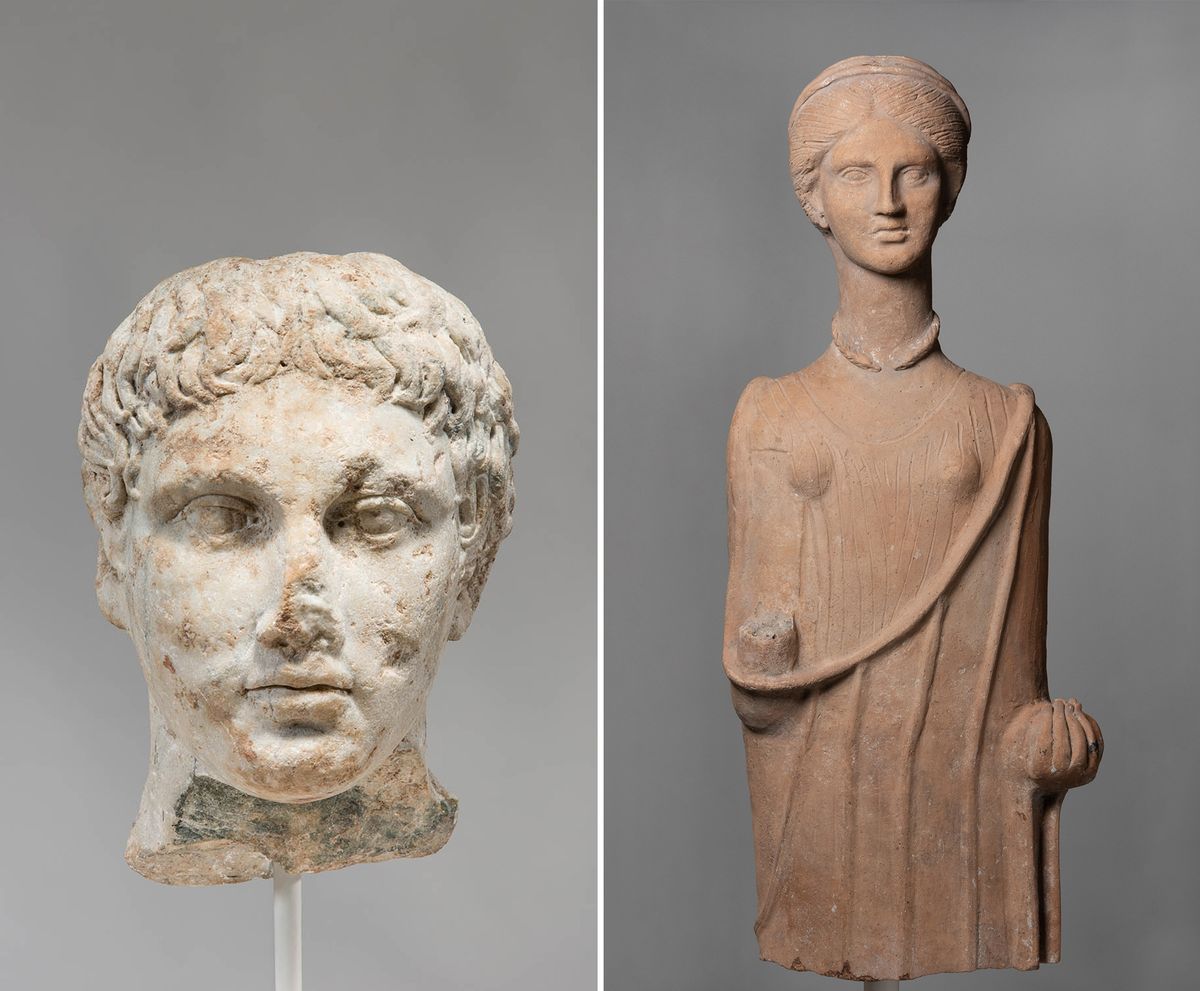
The San Antonio Museum of Art (Sama) has repatriated nine antiquities to Italy, eight of which were identified through photographs that had been seized from the convicted dealer and smuggler Giacomo Medici. The ninth object, a marble head of the Greek god Hermes, had been excavated from ancient Roman houses on the Caelian Hill in Rome in the late 19th century and, decades later, was sold to the San Antonio collector Gilbert M. Denman Jr by an Italian antiquities dealer who provided no provenance documents; Denman donated it to the Sama in 1986.
The museum and the Italian Ministry of Culture had signed a long-term agreement on cultural collaboration and exchange in 2023, and had been in discussions about the present repatriations for more than a year. Under the terms of the agreement, eight of the nine repatriated artefacts will remain on display at the Sama, on loan from Italy. After the loan ends, other antiquities of comparable value may be sent from Italy to San Antonio on an eight-year loan, as per the terms of the agreement. The marble head of Hermes, meanwhile, has been returned to the Italian government.
“We look forward to continued collaboration with the ministry to share extraordinary works from Italy’s rich cultural heritage with our visitors from South Texas and around the world,” Emily Ballew Neff, Sama’s director, said in a statement.
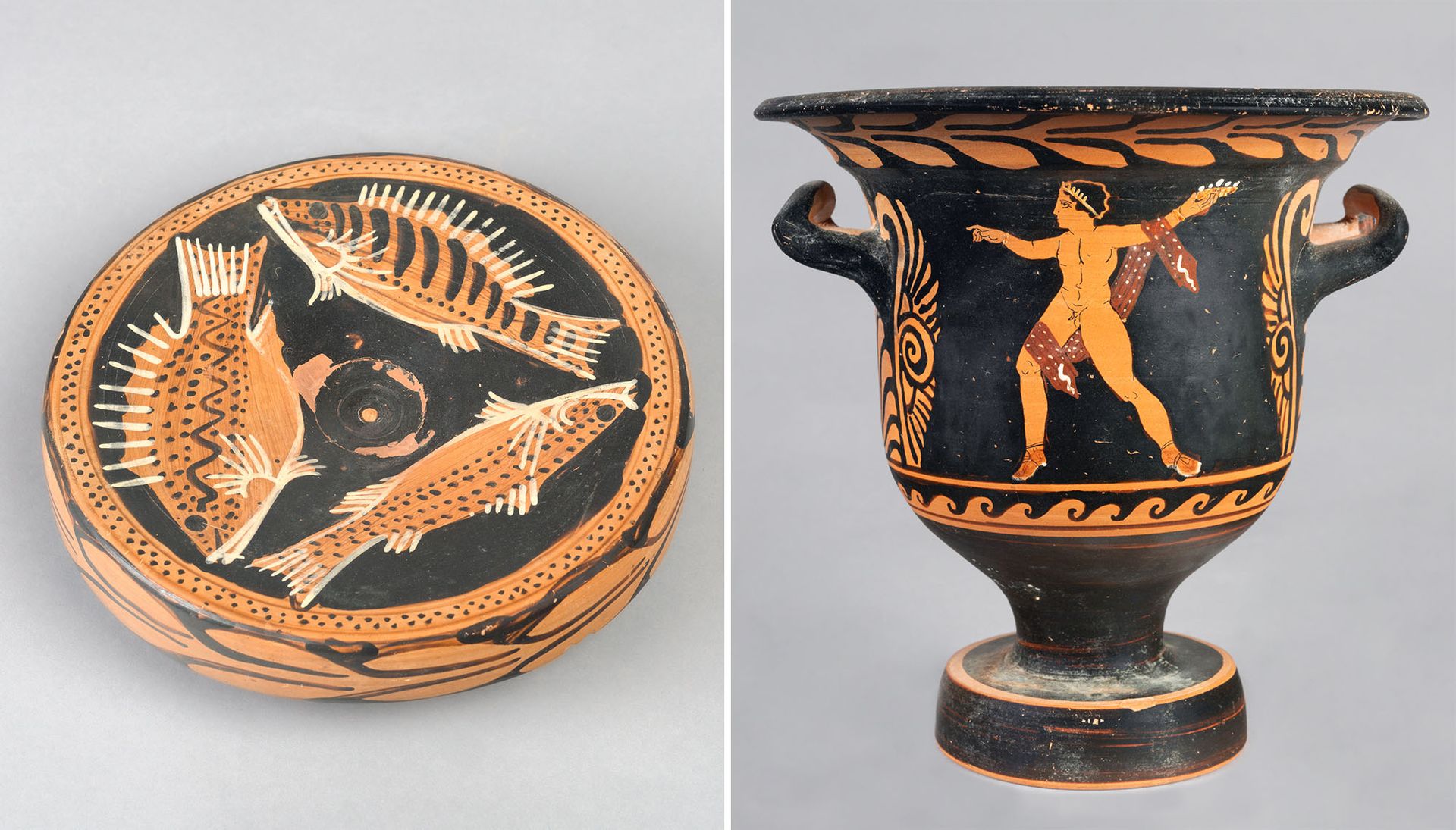
Works returned to the Ministry of Culture of Italy that remain on view at the San Antonio Museum of Art include a fish plate from the workshop of Asteas and Python (around 340BC, left) and a krater or mixing bowl featuring a nude young man and seated woman, and attributed to Python (around 330BC, right) Courtesy Ministry of Culture of Italy and San Antonio Museum of Art
The works that remain on display at Sama all originate from Athens or southern Italy. They include a terracotta plate adorned with three fish from around 340BC, a pair of jugs known as epichyses with large looping handles from the latter half of the 4th century BC, a nearly 3ft-tall terracotta and pigment statue of a female figure from the 4th or 3rd century BC and a krater or mixing bowl from around 330BC adorned with two figures (a nude young man and a seated woman) rendered in a red-figure technique. They all passed through auction houses and dealers in New York and London during the 1980s and 90s prior to being acquired by the museum.
In 2016, a German scholar named Jörg Deterling alerted the museum that its marble head of Hermes had been excavated from the Caelian Hill, prompting the museum to conduct further research and contact Italy’s Ministry of Culture. The ministry confirmed its provenance later that year and requested the artefact’s return.
Luigi La Rocca, who leads Italy’s department for the protection of cultural heritage, said in a statement: “This agreement strengthens cultural relations between Italy and the United States, and stands as an international best practice in the field of combating illicit trafficking of cultural property.”
This is not the first time that photographs seized during investigations into the smuggler Giacomo Medici (who was convicted in 2004) have provided key evidence decades later. Last year, the Altes Museum in Berlin returned 21 Apulian vases to Italy after four of them were identified in Polaroid photos found in Medici’s office in Geneva.