

Neo-Impressionism has a history of being underappreciated. When it emerged in the late 19th century, with its mechanical, dot-based, “pointillist” technique, some critics claimed it heralded the death of painting. Since then, it has failed to maintain the brand recognition of its forebear, Impressionism, and has often been associated mainly with its French protagonists Georges Seurat and Paul Signac.
An exhibition at the National Gallery in London will redress this imbalance, showing Neo-Impressionism as a truly radical precursor to abstraction and Fauvism. In the words of the co-curator Julien Domercq, it can even be seen as “the first international Modern art movement”.
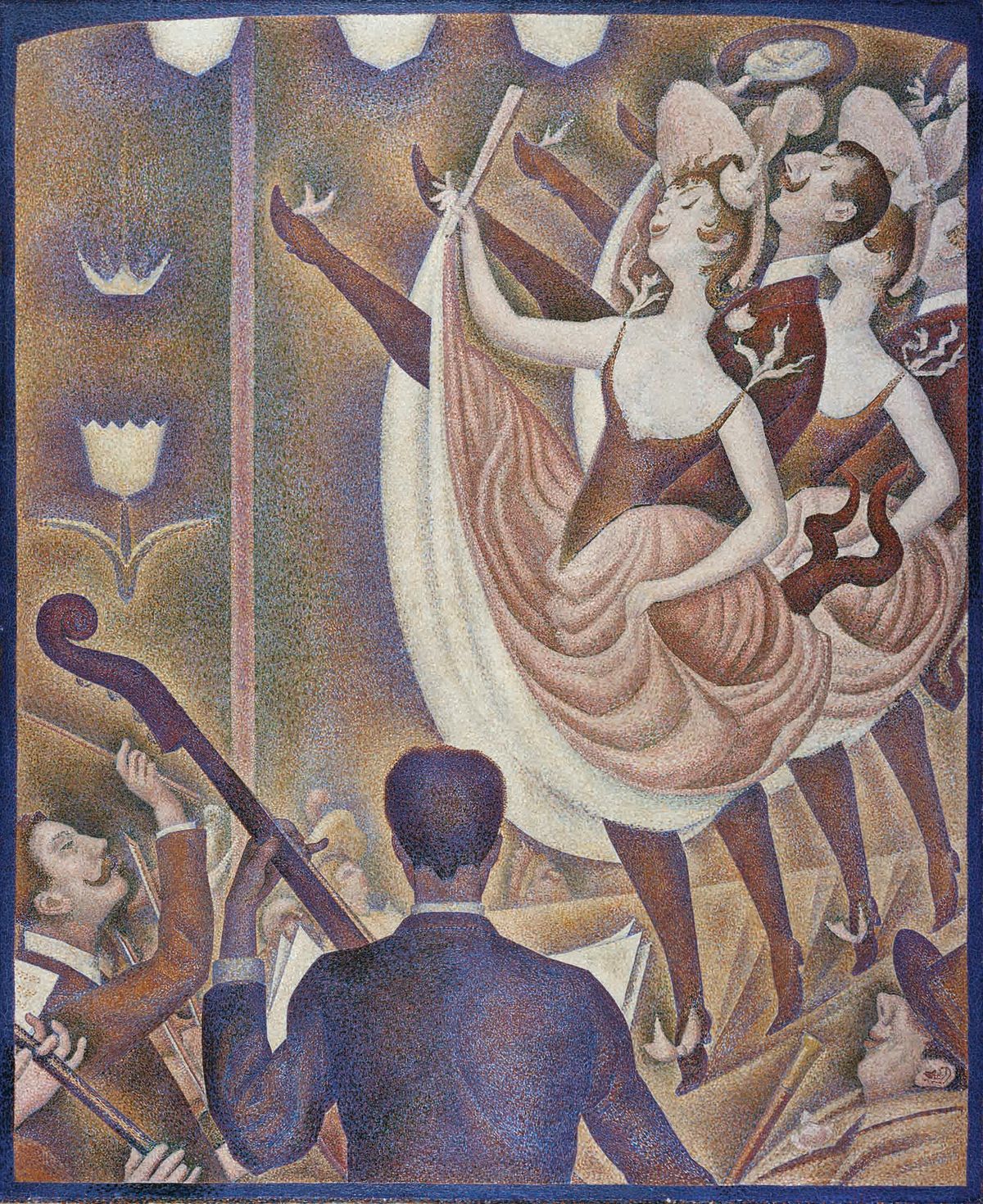
Radical Harmony brings together 58 works from the Kröller-Müller Museum in the Netherlands, whose founder Helene spent more than two decades building a collection for the enjoyment of the public, with Neo-Impressionism at its heart. The centrepiece of Kröller-Müller’s collection—and the London show—will be Seurat’s Le Chahut (1889-90), which depicts a lively group of dancers performing the can-can, surrounded by musicians and a transfixed crowd. The work, composed of tiny dabs of red, blue, green and more, epitomises “optical mixture”—the idea that colours painted beside each other would blend in the eye, increasing their intensity and effect.
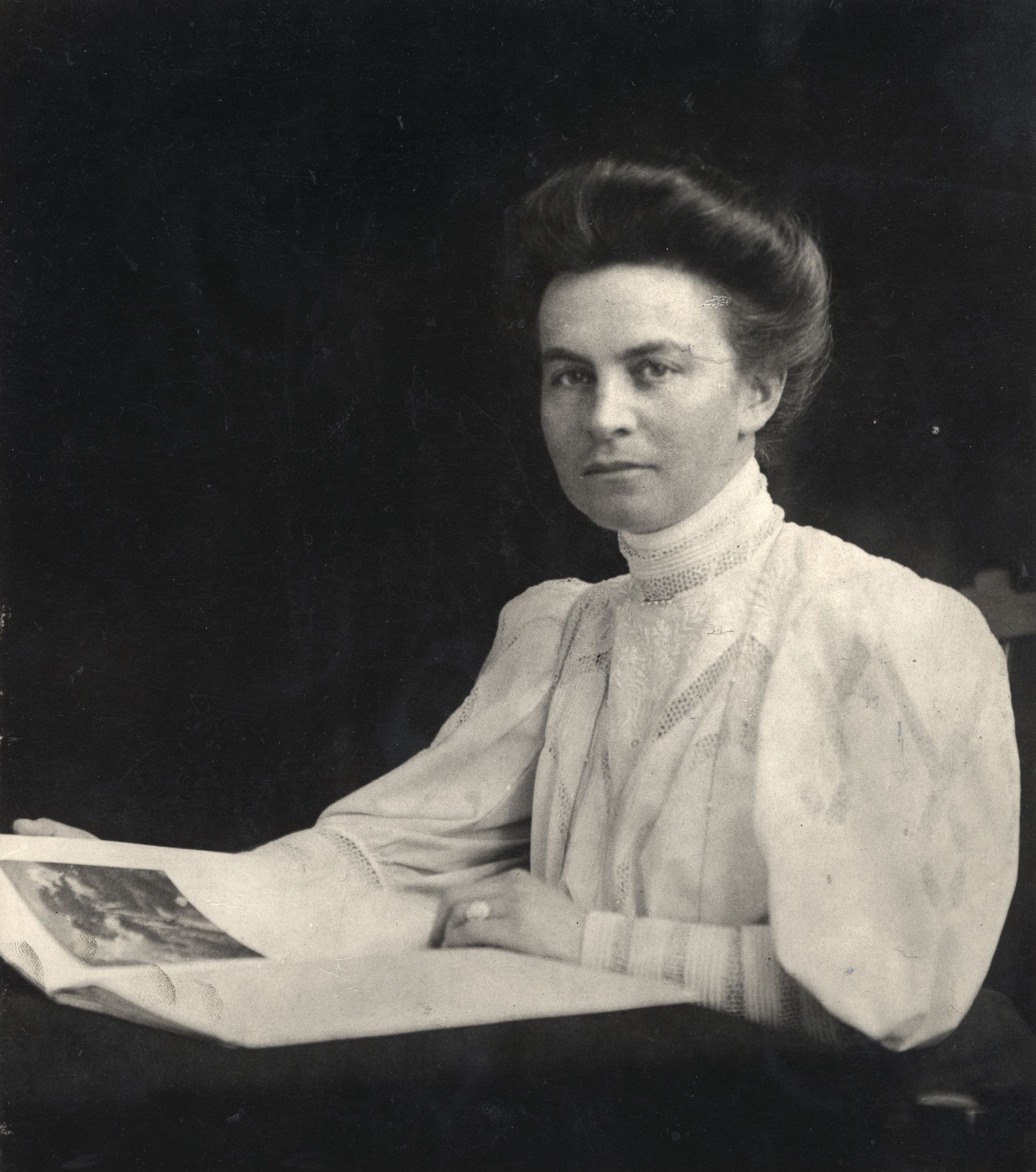
Helene Kröller-Müller
© Collection Kröller-Müller Museum, Otterlo, the Netherlands
The painting highlights the ways in which Neo-Impressionism was pushing boundaries. “Le Chahut was described at the time, by [the critic] Emile Verhaeren, as a work in which Seurat uses subject as a pretext to create a composition which is really about tones and lines,” Domercq says. “To me, this is the fascinating thing about Neo-Impressionism: it’s art that is untethering from being representational.”
Other artists in the show include the Belgian Anna Boch and the Dutchmen Jan Toorop and Théo Van Rysselberghe, all members of the avant-garde group Les XX. Boch, who is not represented in Kröller-Müller’s collection but was deemed too crucial to exclude, “did not really care” much for the dot technique, Domercq says. She employed it selectively, the curator says, as seen in the clusters of dots in During the Elevation (1892-93).
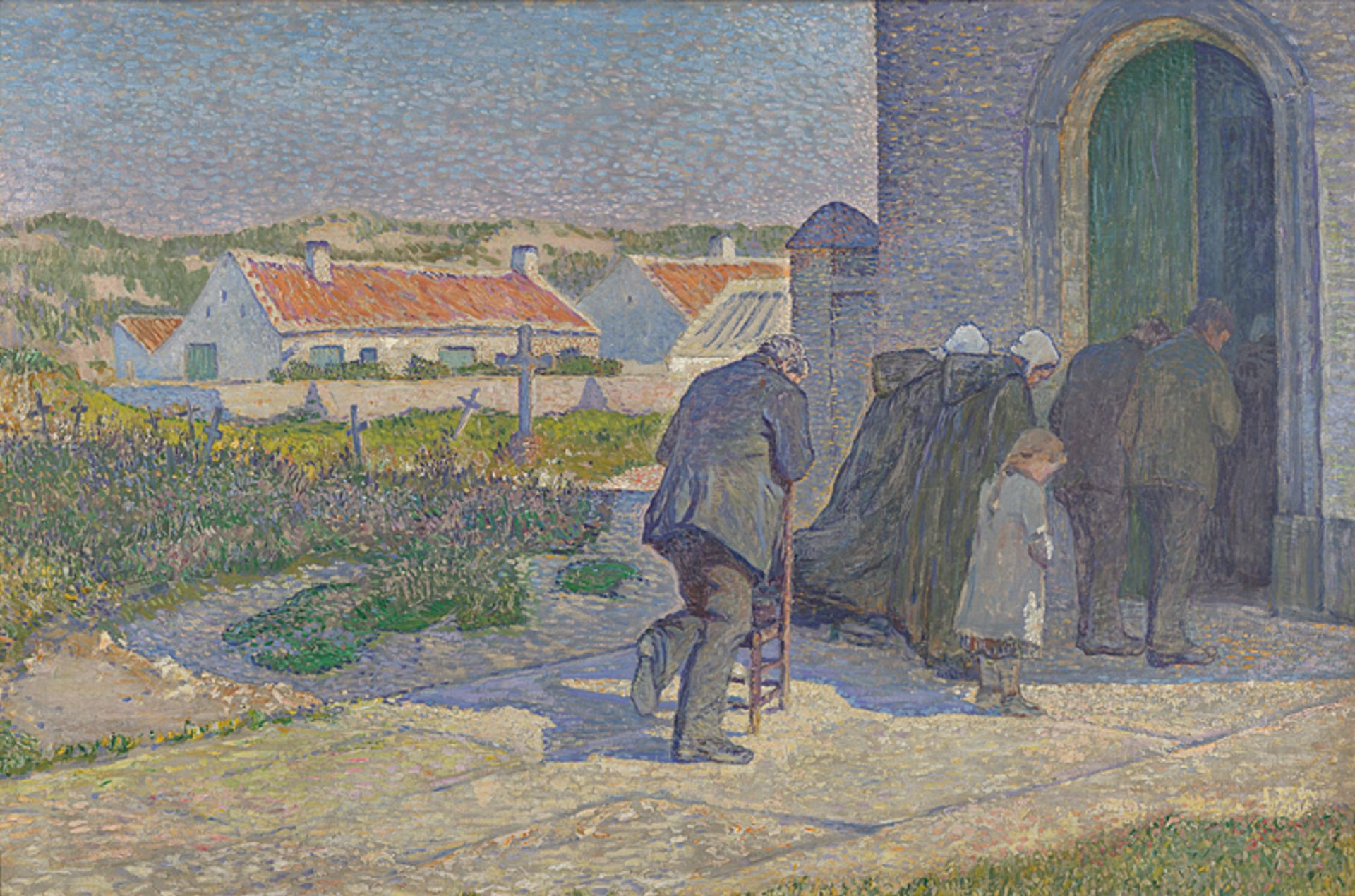
Anna Boch, During the Elevation (1892-3)
© Bridgeman Images
All three artists created work that in some way conveys another important aspect of the movement: its anarchism. A pair of Toorop’s paintings, Evening (before the strike) (1889) and Morning (after the strike) (1888-90), likely respond to industrial protests and the violence used to suppress them in Charleroi, Belgium. The latter work depicts a group carrying a dead worker, the scene rendered in a medley of pastel-like colours.
The final room will show Neo-Impressionist painting dissolving into abstraction, as in Toorop’s Sea (1899) and Signac’s The Beacon, Saint-Briac, Opus 210 (1890). Helene Kröller-Müller saw a deep “spirituality” in these works, Domercq says, and indeed the movement as a whole. What she helps prove beyond question is its importance to the story of Modern art.
• Radical Harmony: Helene Kröller-Müller’s Neo-Impressionists, National Gallery, London, 13 September-8 February 2026